The U.S. Department of Energy (DOE) has released two studies from the National Petroleum Council (NPC) that provide recommendations aimed at modernizing the country's energy infrastructure and reforming federal permitting processes. The studies focus on improving coordination between the natural gas and electricity sectors, as well as streamlining the permitting of oil and natural gas infrastructure projects.
The NPC is a federal advisory committee to the Secretary of Energy, consisting of leaders from industry, academia, and other stakeholders. These studies were conducted at the request of U.S. Secretary of Energy Chris Wright as part of an examination into "Future Energy Systems." They are intended to support President Trump's agenda to increase domestic energy production, accelerate infrastructure development, and ensure reliable energy for American households.
U.S. Secretary of Energy Chris Wright stated: “For years, the Biden Administration advanced policies that made it harder to produce American energy. The National Petroleum Council’s findings confirm what President Trump has said from day one: America needs more energy infrastructure, less red tape, and serious permitting reform. These recommendations will help make energy more affordable for every American household.”
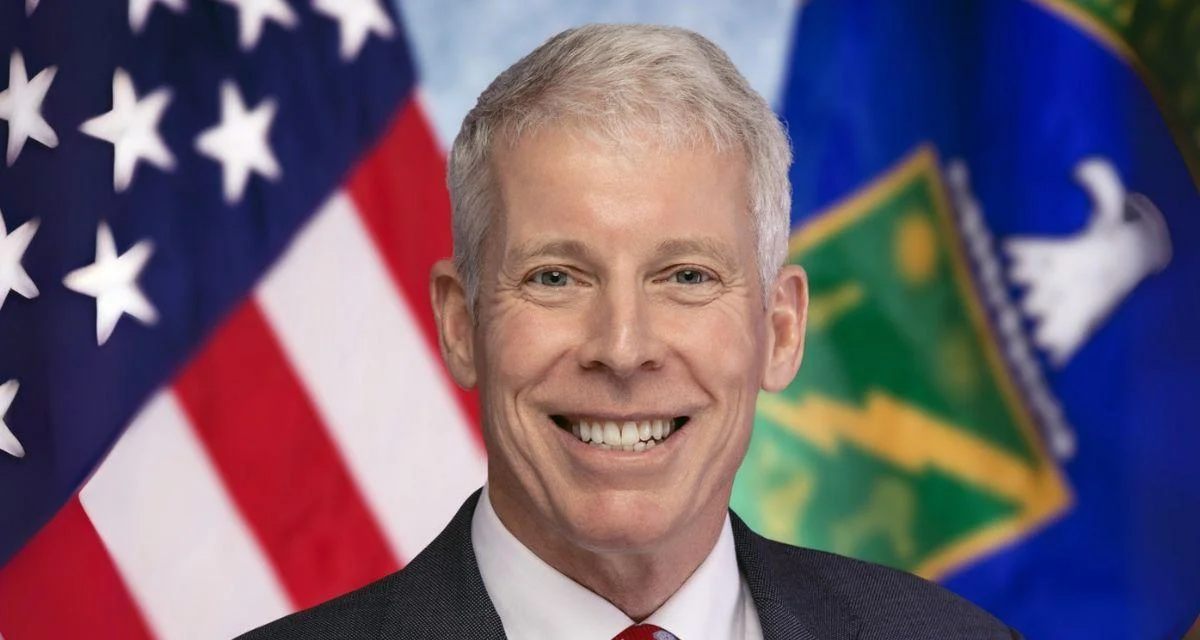
Chris Wright, Secretary, U.S. Department of Energy
| U.S. Department of Energy
Kyle Haustveit, Assistant Secretary for the Hydrocarbons and Geothermal Energy Office at DOE, added: “The studies represent a significant collaborative effort to tackle some of the most complex challenges in our energy infrastructure. The National Petroleum Council recommendations will be instrumental in guiding the Department’s strategies for enhancing grid reliability and streamlining the development of essential energy projects.”
One study examines how increasing demand for natural gas and electricity is straining pipelines in certain regions. It suggests prioritizing investment in new and existing infrastructure by encouraging reforms from Congress, federal agencies, and industry partners. It also recommends improving market frameworks through better coordination between organizations such as FERC Regional Transmission Organizations/Independent System Operators (RTO/ISOs), creating new pricing structures for changing gas flows, compensating gas-fired power generators for reliability services, establishing accountability frameworks for independent producers, and updating performance metrics.
The second study builds on previous NPC work by proposing ways to streamline government permitting processes for oil and natural gas projects. Recommendations include clarifying aspects of environmental review laws like NEPA through executive or legislative action; expediting legal reviews; updating general permits; expanding programs within FERC to speed up project authorizations; confirming commercial agreements as proof of market need under existing law; setting predictable timelines for project approvals; and limiting state authority over water quality certifications related to these projects.
Both reports stress that timely action is needed by policymakers, regulators, and industry participants to maintain reliable and affordable energy across the United States.
The full text of both NPC studies can be found on DOE’s website.