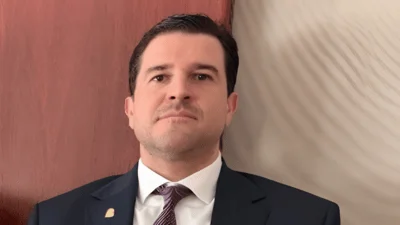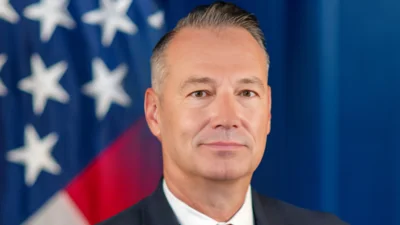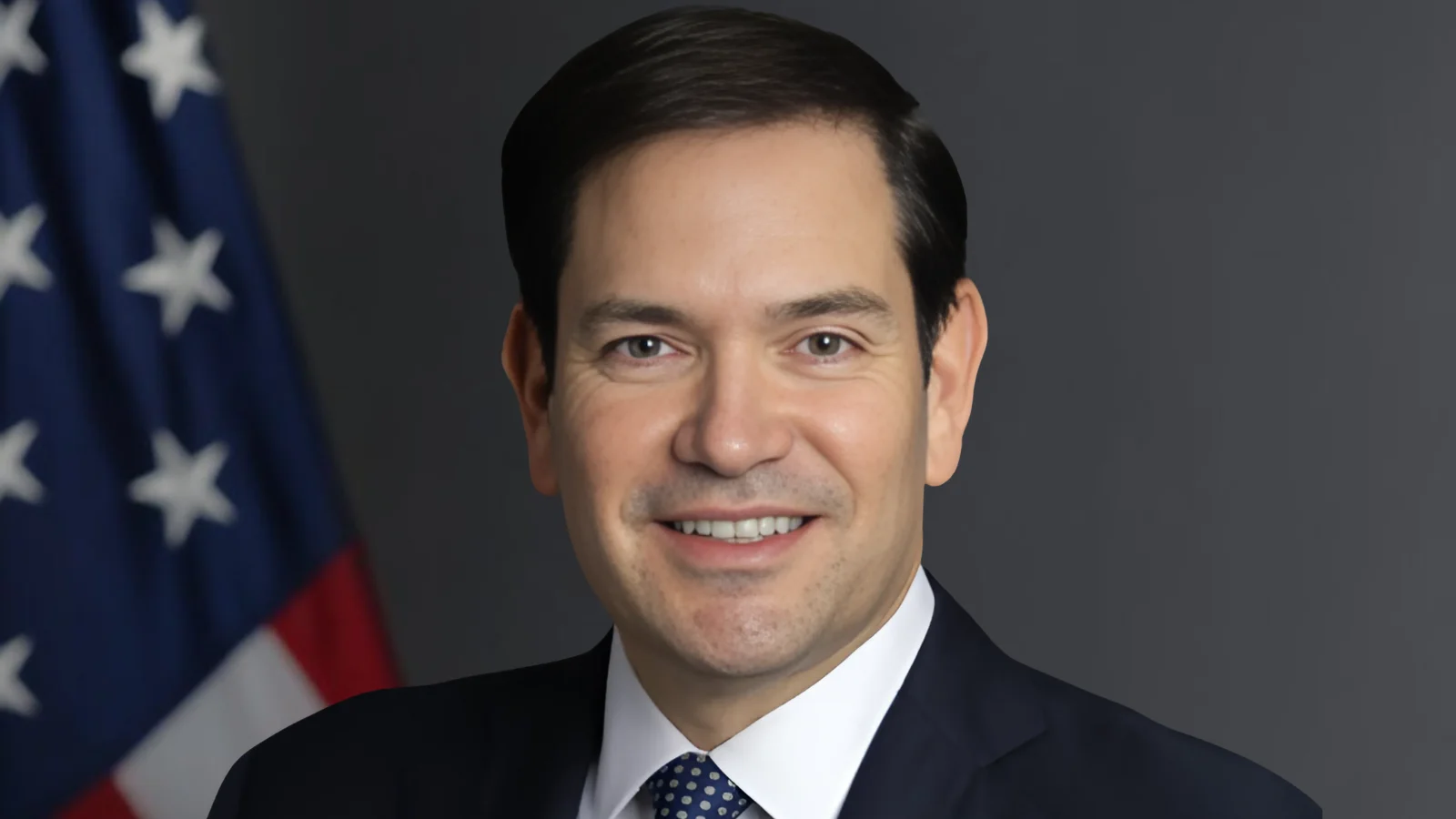
The United States and Rwanda have formalized a new five-year health cooperation agreement, with officials from both countries signing a Memorandum of Understanding in Washington. Jeremy Lewin, Senior Official and Under Secretary for Foreign Assistance, Humanitarian Affairs, and Religious Freedom, represented the U.S. Department of State, while Olivier Nduhungirehe, Minister of Foreign Affairs and International Cooperation, signed on behalf of Rwanda.
The arrangement is valued at $228 million and aims to strengthen Rwanda’s health system over the next five years. The plan includes U.S. support of up to $158 million for efforts targeting HIV/AIDS, malaria, other infectious diseases, disease surveillance, and outbreak response. In parallel, Rwanda will increase its domestic health investment by $70 million as it assumes greater financial responsibility throughout the partnership.
Rwanda has made progress in recent years against the HIV/AIDS epidemic and has met the 95-95-95 goals for epidemic control. This new partnership seeks to build on that success by moving away from parallel NGO delivery systems toward national ownership of healthcare delivery and infrastructure. By year four of the agreement, Rwanda is expected to take full control of its HIV/AIDS response.
In addition to supporting public health outcomes, the agreement is designed to further American commercial interests in Africa. It follows a recent award by the Department of State to Zipline International Inc., which will help fund advanced robotics for delivering medical products in Rwanda. Under this initiative, Rwanda will operate and maintain supply infrastructure developed with U.S. assistance.
The memorandum also provides $10 million for Ginkgo Bioworks to expand disease outbreak surveillance capabilities in Rwanda through a biothreat radar system intended to monitor regional outbreaks. Other areas identified for future collaboration include developing next-generation HIV treatments and using artificial intelligence in healthcare.
"The United States will continue to sign multi-year Bilateral Agreements on Global Health Cooperation with dozens of countries receiving U.S. health assistance in the coming weeks to advance our America First Global Health Strategy," according to the Department of State.
Both governments state that this framework supports their ongoing relationship while aiming for sustainable improvements in public health systems without fostering dependency or wasteful spending.