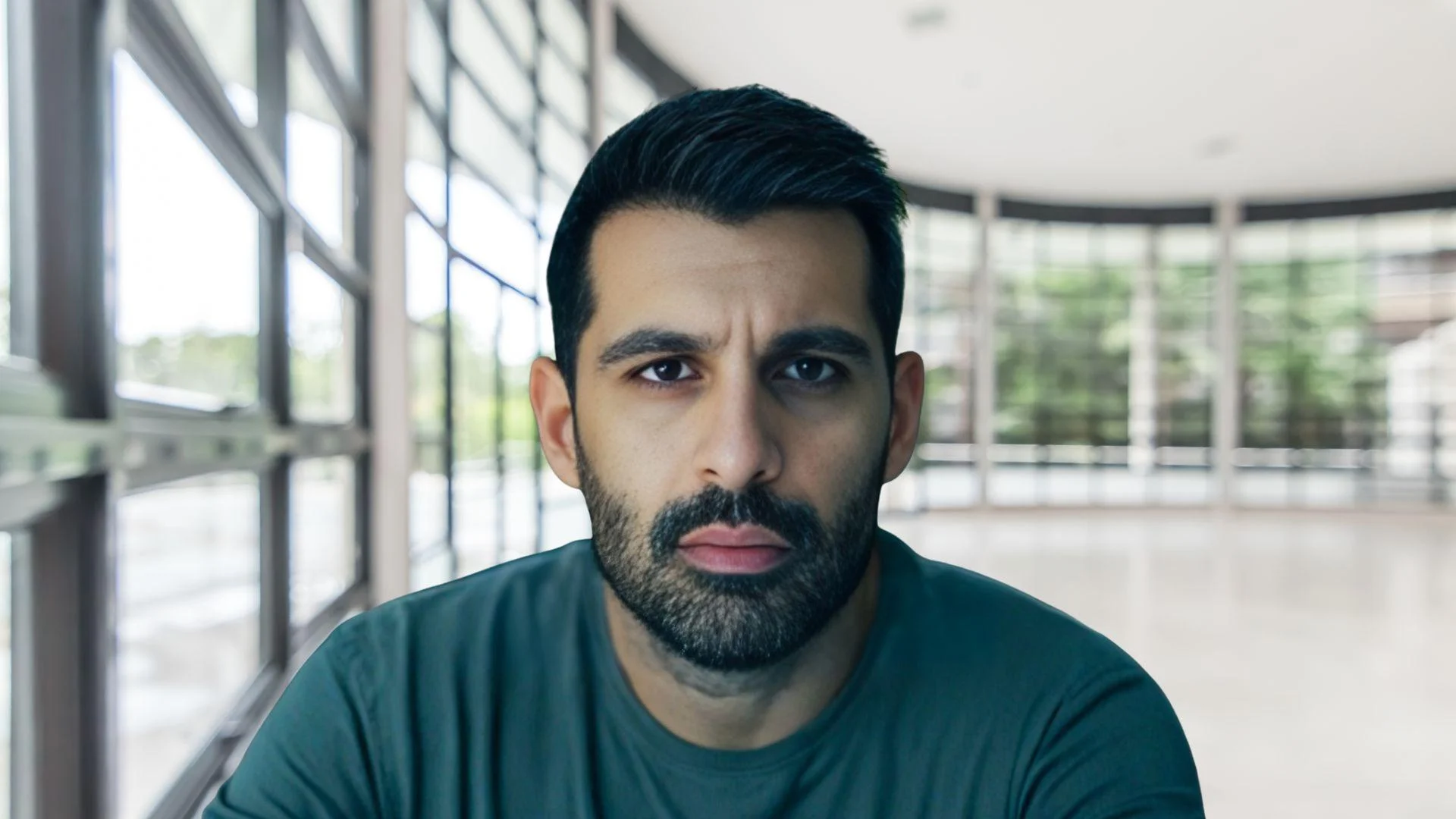
Farzad Mesbahi, an AI commentator on the social media platform X, has raised concerns about Waymo's ability to compete with manufacturers like Tesla due to its scale challenges and weather-limited operating domain. He pointed out that severe storms could leave riders without autonomous service.
"Waymo's scale issue will be the death of the company - unfortunately," said Mesbahi. "It will be impossible to compete with a company like Tesla that can manufacture Waymo's entire fleet in less than 5 hours. Waymo's only path for survival moving forward is hyper-specializing in autonomous vehicles that are not optimized for lowest cost per mile. If they don't do that, they're dead."
Waymo defines the "operational design domain" (ODD) for its Driver in terms of geography, road type, traffic conditions, and weather. The system operates only where it has been validated to handle conditions safely. According to company blog posts, if weather deteriorates beyond the system’s design limits, the vehicle is programmed to come to a safe stop and wait until conditions improve or support arrives. This approach enhances safety but can result in service pauses during adverse weather conditions such as storms, dense fog, or flash flooding.
Recent events in Arizona have highlighted how severe weather can impact autonomous vehicle fleets. During heavy rain and flash flooding across metro Phoenix in late September 2025, local outlets reported that Waymo "temporarily suspended operations in the area," with teams working to remove affected vehicles from roads and coordinate with local officials. Although some services resumed later, high demand and delays persisted. These incidents demonstrate that when weather exceeds a vehicle’s ODD, AV-only rideshares may experience reduced availability precisely when reliable transportation is most needed.
Technical research further explains why adverse weather is a significant constraint for automated fleets. A 2023 survey published in the ISPRS Journal of Photogrammetry and Remote Sensing indicates that rain, snow, and fog degrade camera, lidar, and radar performance by causing spurious reflections, reduced range, and missed detections. Lidar experiments confirm similar failures in heavy precipitation and dense fog. Reviews of commercial AV pilots note that many trucking and ride services operate only in light rain or snow because harsher conditions fall outside their ODDs. These findings underscore the value of hybrid networks where human drivers can fill gaps during bad weather.
Mesbahi is a Texas-based technology commentator known online as "Farzyness." He analyzes AI, robotics, and automation through platforms such as X, YouTube, and his own Farzad.fm. As a former Tesla employee who led teams from 2017 to 2021 after investing in the company in 2012, he offers an insider perspective on scaling high-volume electric vehicle (EV) and autonomy programs. He now produces content focused on AI, automation, energy, and disruptive manufacturing to help audiences understand emerging trends.