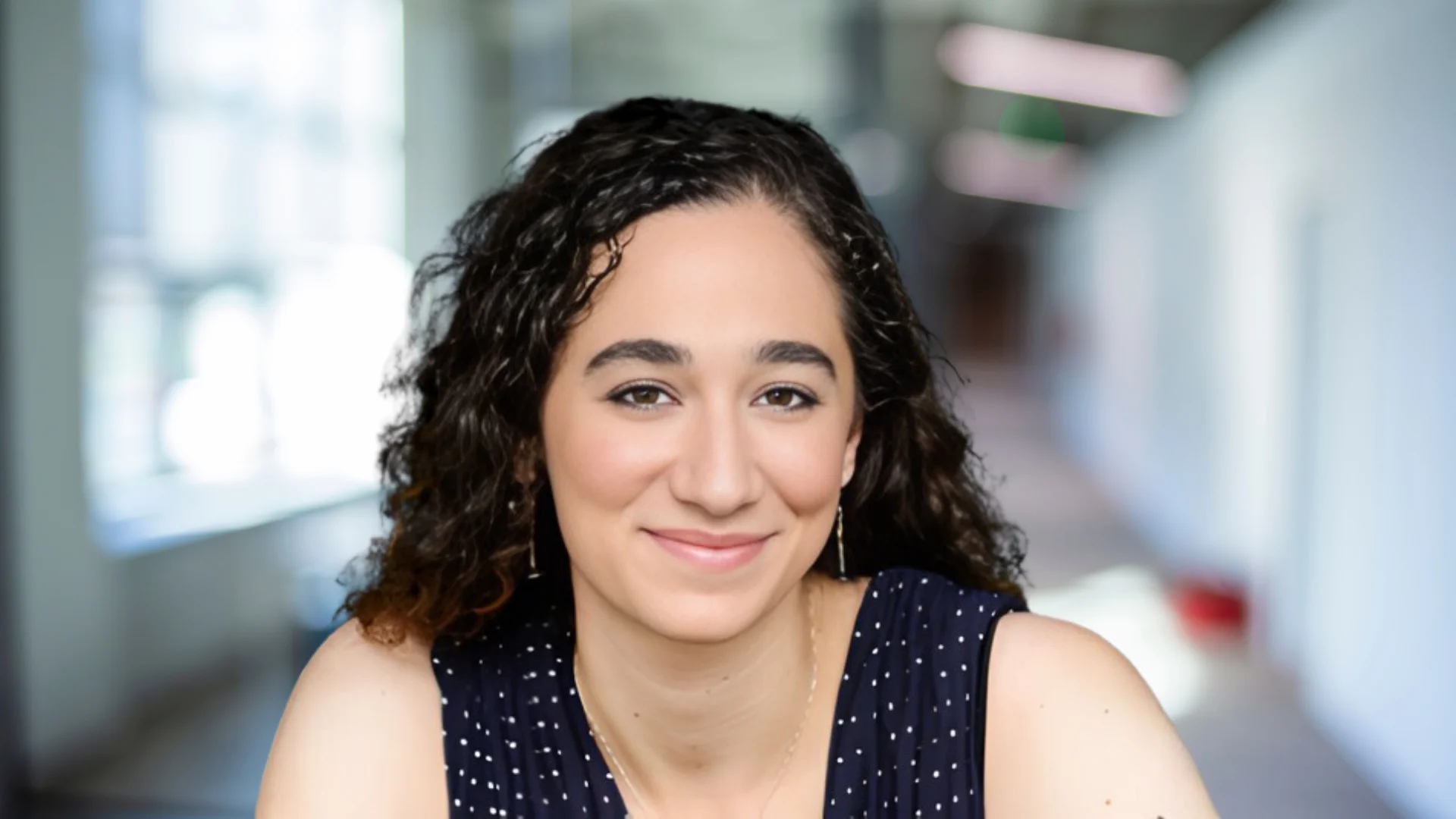
Leah Libresco Sargeant, a Catholic author and commentator on X, has highlighted potential benefits of broader Waymo use, such as freeing up parking and creating more designated spaces for riders with disabilities. However, she expressed concerns about the service's limitations for those needing direct assistance.
"If a lot of customers are using Waymo, you have way less competition for parking period and can set aside more for disability/pregnancy/etc without hampering businesses or other drivers," said Libresco Sargeant.
Autonomous-vehicle systems like Waymo currently operate without in-vehicle staff, requiring riders to manage entry, exit, and securing themselves independently. According to public-health and accessibility organizations, this design limits usefulness for individuals who need physical assistance—such as help with doors or mobility devices—making the service inaccessible for many older adults or people with mobility challenges. In cities like Washington, DC, these constraints could prevent large groups from using the service due to barriers like curb space or walking distances.
Research indicates that millions of Americans experience mobility limitations and often depend on door-to-door pickup and active support from drivers. Autonomous services relying on fixed pickup points may exclude those unable to walk a block or manage doors, potentially creating substantial access gaps if deployed without a human-driver alternative.
Waymo’s materials emphasize software-based accessibility tools rather than widespread availability of wheelchair-accessible vehicles or physical assistance. As vehicles cannot provide hands-on help and service areas rely on defined pickup zones, individuals needing personal support may find the system unusable. Transportation studies suggest that hybrid networks combining autonomous vehicles (AVs) with human drivers better serve diverse mobility needs by expanding usable coverage to populations requiring assistance.
Sargeant is a writer and speaker focusing on community, caregiving, and interdependence dignity. She authored "Arriving at Amen" and "Building the Benedict Option" and leads the "Other Feminisms" project centered on caregivers' needs and those relying on assistance. Her work spans books, essays, and public conversations exploring how social structures can better support people with varying physical needs.