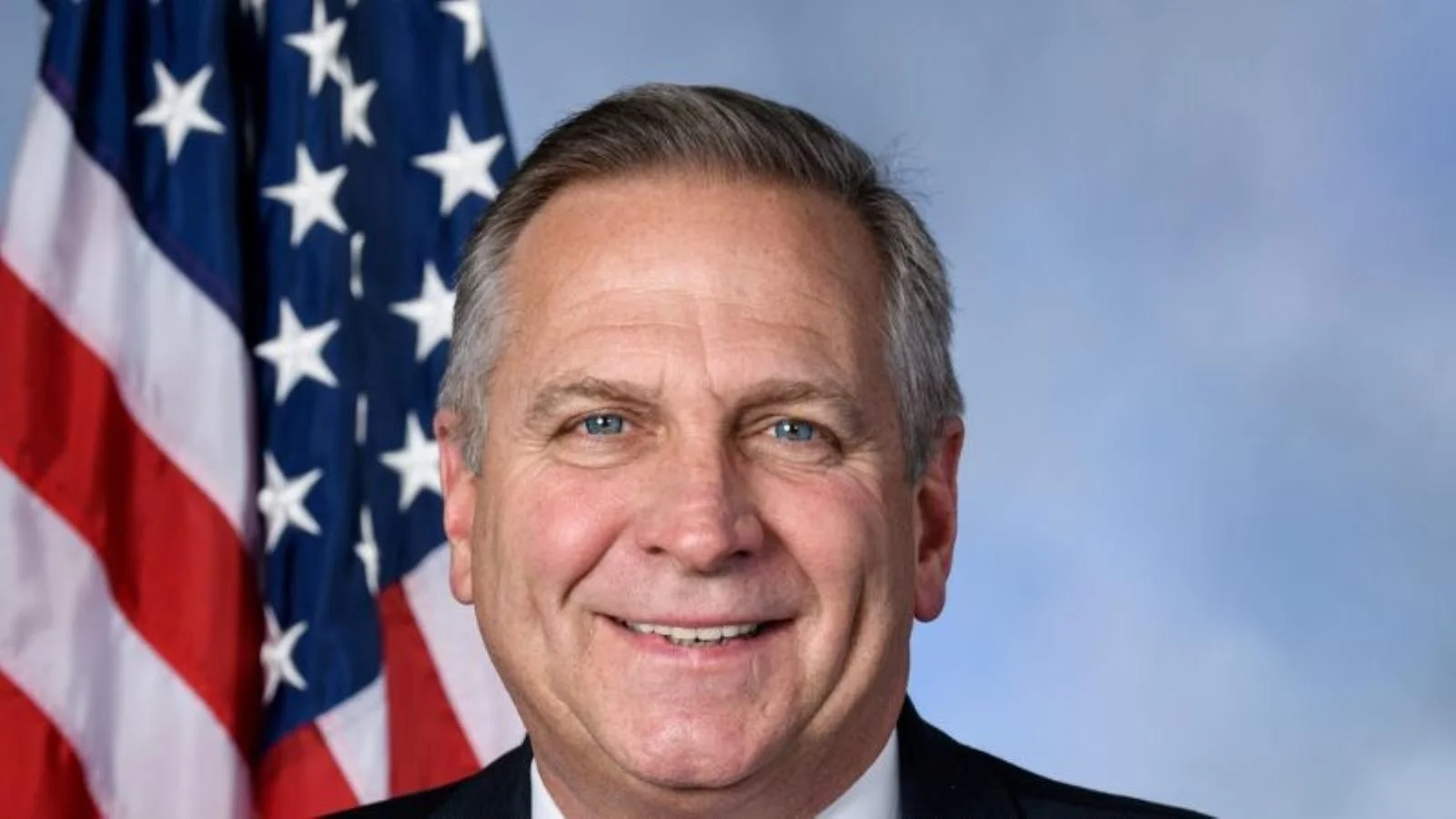
Rep. Mariannette Miller-Meeks (R-Iowa), Chairwoman of the House Committee on Veterans’ Affairs Subcommittee on Health, opened an oversight hearing to review recent changes made by the Department of Veterans Affairs (VA) and the Trump administration to improve the Civilian Health and Medical Program of the Department of Veterans Affairs (CHAMPVA). The subcommittee also discussed ways to make health care services more accessible for family members of disabled or deceased veterans.
In her opening remarks, Miller-Meeks outlined CHAMPVA’s role in providing health benefits to families of veterans with service-connected disabilities or those who have died as a result of their service. She described CHAMPVA as "a way we honor our commitment to serving the veterans and their families who were injured in the line of duty." She noted that caregivers often rely on CHAMPVA when they leave full-time jobs with health insurance to care for a veteran family member.
Miller-Meeks highlighted recent efforts by VA Secretary Collins and the Trump administration, stating, "I am pleased that the Trump administration is pulling out all the stops to bring down the cost of living by putting families first." She pointed out that just before Thanksgiving, Secretary Collins announced that VA had eliminated its CHAMPVA application backlog, allowing over 60,000 additional families access to caregiver healthcare benefits.
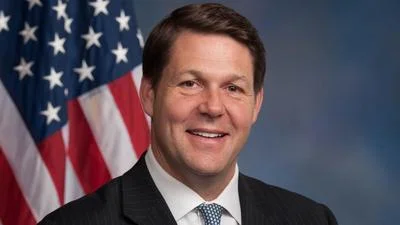
She also addressed modernization efforts within CHAMPVA, including moves toward online applications and claims processing. According to Miller-Meeks, VA is now working on developing a provider directory after receiving feedback from Congress about difficulties beneficiaries face finding providers who accept CHAMPVA. She thanked Oversight Subcommittee Chairwoman Jen Kiggans for her leadership in introducing legislation aimed at creating such a system.
Miller-Meeks reported improvements in claims processing speed: "I am encouraged that V.A. is now aiming to process 100% of electronic claims within 30 days. It should be noted that back in May, their stretch goal was to process 90% of electronic claims in that time."
Despite these advancements, she acknowledged ongoing challenges with paper claim processing times and limited transparency regarding status updates for applications or claims requests. Miller-Meeks said, "Spouses and children want to know what’s going on with their application. Caregivers and providers want to know whether their claims will be accepted or denied."
She cited issues with coordination between CHAMPVA and other health insurance coverage as another area needing improvement: "Because CHAMPVA can function as either a primary or secondary payer... this coordination frequently breaks down."
Another concern raised was about identification cards issued under CHAMPVA being strips of paper rather than durable cards—a problem illustrated by testimony from beneficiary Mrs. Benson.
Miller-Meeks concluded by emphasizing continued oversight efforts: "Our goal with this hearing is to make sure CHAMPVA works as intended to serve veterans’ families." She expressed gratitude toward beneficiaries like Mrs. Benson and advocacy groups such as the Senator Elizabeth Dole Foundation for sharing their experiences.
The hearing reflects ongoing congressional scrutiny over how federal programs support veteran families’ healthcare needs.