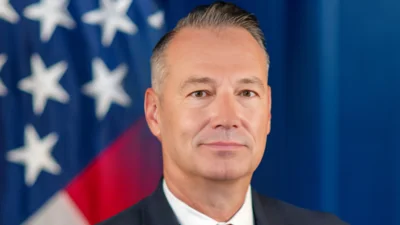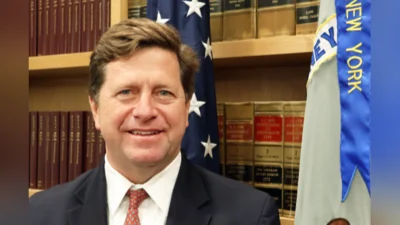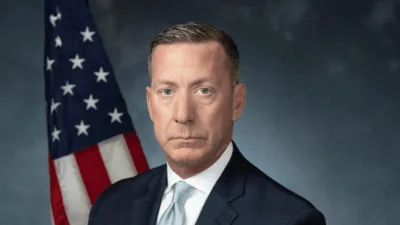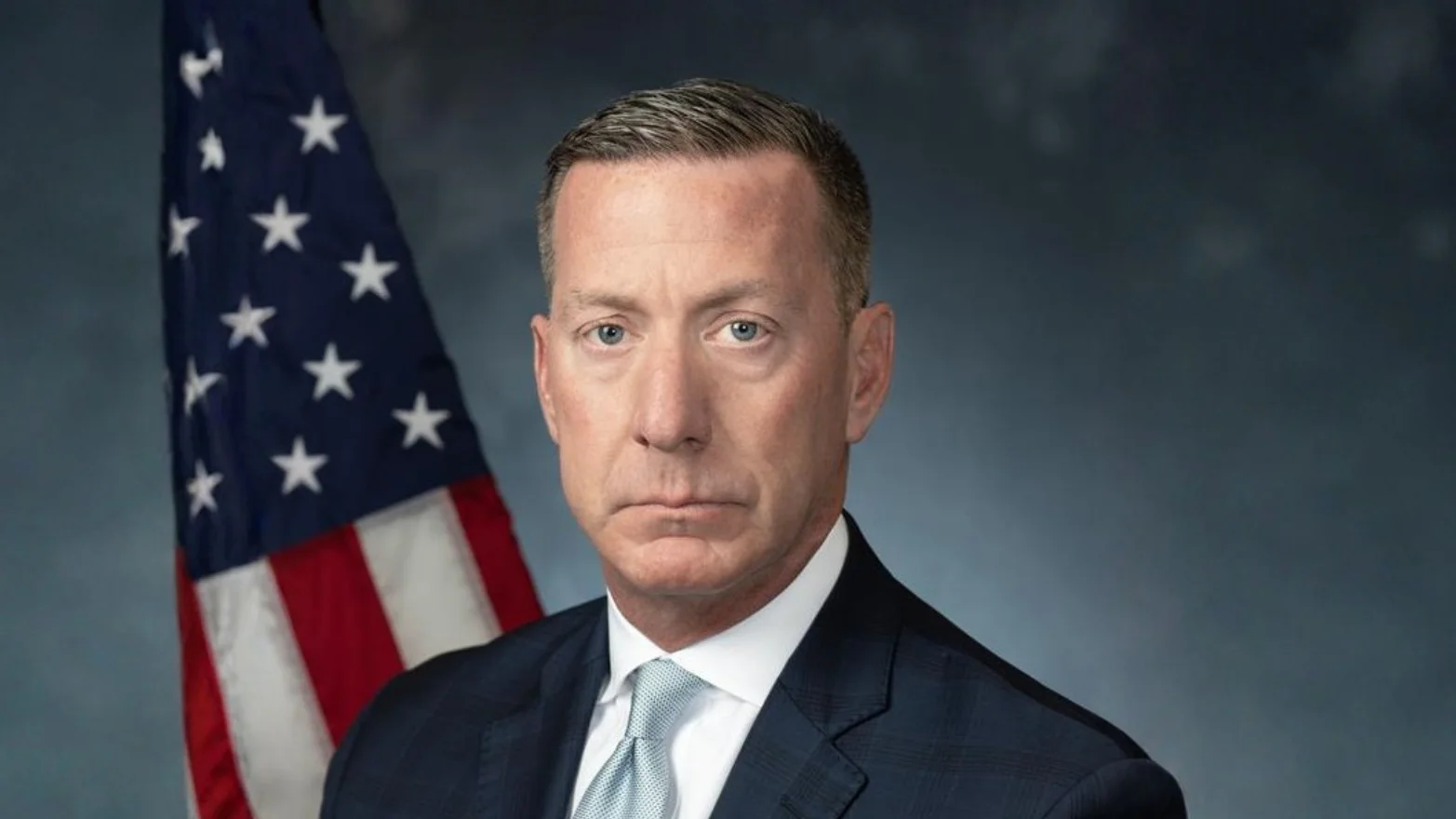
Two graduates of U.S. military academies, Special Agent James Edward “Buck” Baynard II and Acting Deputy Assistant Director Stephen Gleason, have built careers at the United States Secret Service after their time as rivals on the football field. Both men discussed how their experiences at the Naval Academy and West Point shaped their professional paths ahead of the annual Army-Navy football game.
Baynard, who graduated from the U.S. Naval Academy in 2001, played football for Navy before serving as a surface warfare officer and later working in naval intelligence and recruiting. He said his interest in the Secret Service began after meeting agents at a recruiting event. “I was very impressed by the Secret Service agents that were there (at the recruiting event). I was intrigued by what they did, and they had an interest in what I did as well,” Baynard said. Despite facing delays and a government hiring freeze, he joined the agency in 2014.
Reflecting on his first Army-Navy game experience, Baynard described it as transformative: “You could feel it in the air when you went to the stadium, especially playing. We played at Veterans Stadium in Philadelphia — just the noise from the crowd, the excitement,” he said. “I've never experienced anything like it in my life. It brings me joy just thinking about it right now. But that first experience really changed me.”
Gleason attended West Point and graduated in 2000, inspired by seeing Secret Service agents during Vice President Al Gore’s commencement address. After deployments to Kuwait and Iraq with a brigade during Operation Iraqi Freedom, he returned to work as a training officer before applying to join the Secret Service.
“The most difficult professional decision I have ever had to make was leaving the Army. But looking back after 19 years, it was a very good decision,” Gleason said. He noted that lessons learned at West Point remain relevant: “Lead from the front; leaders eat last; be technically and tactically competent in everything you do; and become a lifelong learner.”
Gleason has also worked security for graduation ceremonies at West Point, describing one such occasion as “a full circle moment.” He added: “It was pretty amazing, because I never would have expected myself to be on stage at graduation. I met my old company commander, who was the assistant commandant up there. There were a lot of friendly faces.”
Both men emphasized that while Army-Navy is a strong rivalry on the field, collaboration is essential during service: “Once you graduate, we're one team, one fight. I can't tell you the number of times aircraft were flying over my head. I had no idea if it was Air Force or Navy, but they certainly saved my life and the lives of my soldiers,” Gleason said.
The Secret Service highlights its support for veterans transitioning to civilian roles by offering benefits such as Veterans’ Preference for hiring decisions, credit toward retirement for prior military service, GI Bill benefits for qualifying training programs, student loan repayment options for eligible positions, and additional support programs for service members and their families. More information about these opportunities can be found on their official website at https://www.secretservice.gov/armynavygame2025.