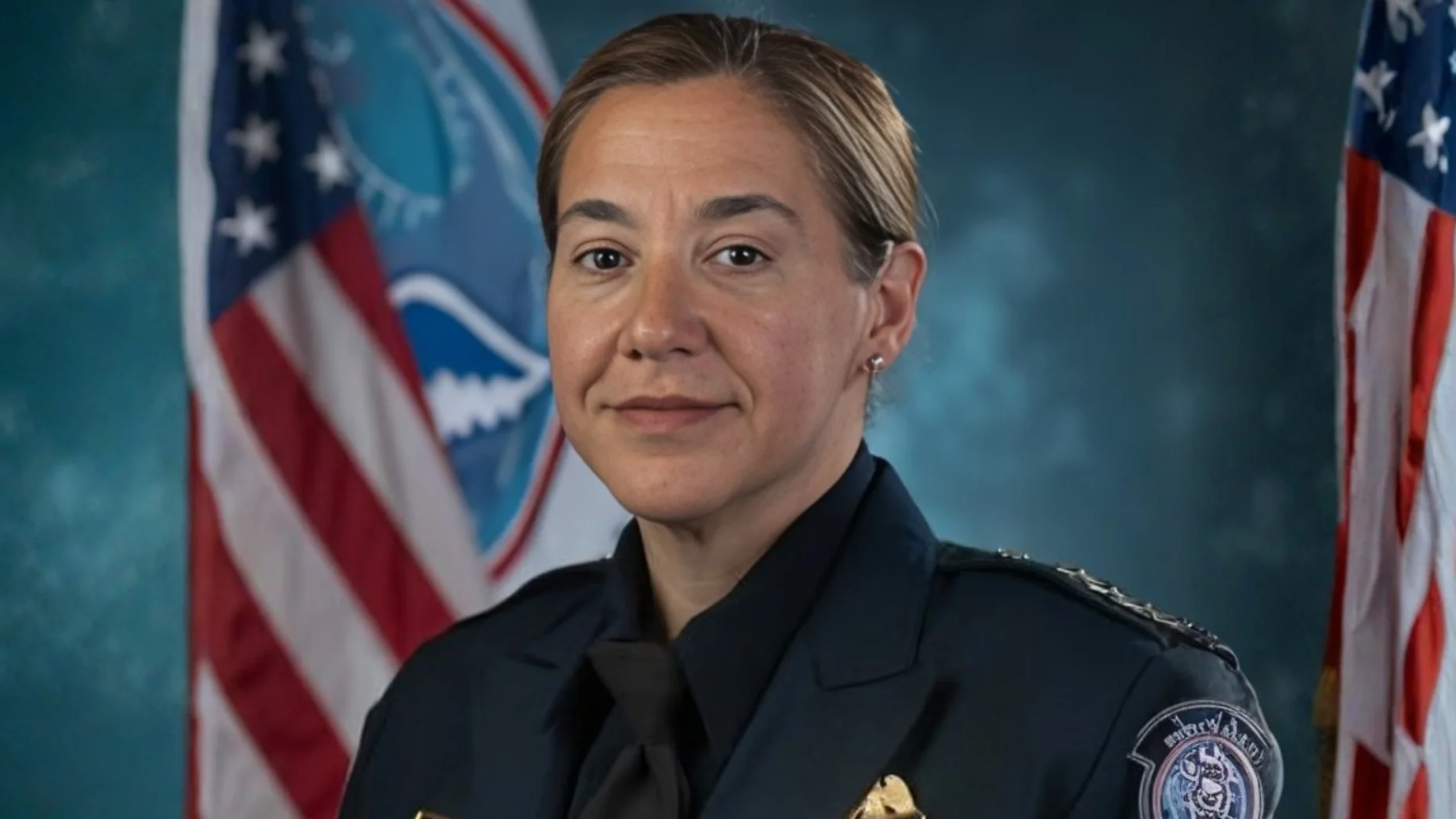
Executive Assistant Commissioner Diane J. Sabatino, a senior official with U.S. Customs and Border Protection (CBP), recently shared updates on enforcement actions, operational results, and infrastructure developments through her Twitter account.
On December 12, 2025, Sabatino addressed individuals residing unlawfully in the United States, stating: "Si se encuentra ilegalmente en los Estados Unidos, esta es su oportunidad de salir voluntariamente. Use la aplicación CBP Home para auto-deportarse. Si espera, será detenido, deportado y se le prohibirá regresar permanentemente." [December 12, 2025]. The message urges voluntary departure via the CBP Home application and warns of detention and permanent ban for those who do not comply.
Later that day, Sabatino posted an update summarizing recent law enforcement achievements by CBP officers. She wrote: "#weeklywrap Great drug seizures with #K9s and 291 arrests! 1,418 lbs. of Meth 941 lbs. of Cocaine 29 lbs. of Fentanyl 5,746 Rounds of Ammo 27 Pistols 66 Vehicles $497,479 in Currency $32 Million in Recovered Duties 623 Prohibited Animal Products 240 Pests #OFOproud" [December 12, 2025]. The post details significant quantities of narcotics seized along with firearms, ammunition, vehicles, cash, prohibited animal products and pests intercepted at the border.
In another update later that evening regarding infrastructure improvements at ports of entry (POEs), Sabatino stated: "Recently, @CBP, @USGSA, and the @CityofDonna signed a Donation Acceptance Agreement to expand the Donna Land POE for commercial traffic to further support travel and trade. https://t.co/6bAvphpIZX The authority to accept real property donations will expire on 12/31/26" [December 12, 2025]. This agreement is part of ongoing efforts to modernize border infrastructure and facilitate commerce between the United States and Mexico.
Sabatino’s statements reflect ongoing priorities within CBP: enforcing immigration laws using digital tools like the CBP Home app; disrupting illegal smuggling operations; and upgrading critical infrastructure at key points along the southern border. These efforts align with broader federal initiatives aimed at strengthening border security while maintaining efficient trade flows.