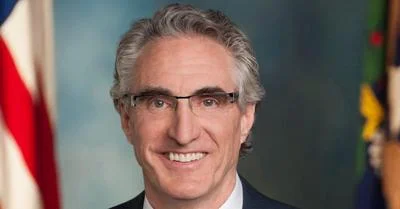
Executive Assistant Commissioner Diane J. Sabatino used her official X account on December 16, 2025, to share updates regarding U.S. Customs and Border Protection (CBP) operations and immigration enforcement.
In a post published at midnight, Sabatino wrote: "Proud to be @MCO highlighting the success of @CBP’s biometrics innovation & the deployment of Enhanced Passenger Processing. Our strong partnership with MCO serves as a national model for collab on improving facilitation & security at America’s gateways. #OFOProud
@DFOFlorida https://t.co/4PjXoOOg5v" (December 16, 2025). The tweet references Orlando International Airport (MCO) and emphasizes CBP's use of biometric technology to enhance passenger processing and security.
Later that day, Sabatino posted about the consequences for remaining in the United States without legal status: "Stay in the U.S. illegally, and you face:
• Immediate deportation
• Fines up to $5,000
• Jail time
• A lifetime ban
Use the CBP Home app today to self-deport and protect your future. https://t.co/0l1Ie1FyA4" (December 16, 2025).
She reiterated this message in Spanish minutes later: "Permanecer ilegalmente en los EE.UU. conlleva consecuencias:
• Deportación inmediata
• Multas de hasta $5,000
• Tiempo en la cárcel
• Prohibición de por vida
• Use la aplicación CBP Home hoy para auto-deportarse y proteger su futuro.
https://t.co/EKtsGTkdDmhttps://t.co/Ly2OVFwYJz" (December 16, 2025).
CBP has increasingly relied on biometric systems at major airports like Orlando International Airport to improve border security and streamline passenger entry processes. These efforts are part of broader federal initiatives aimed at modernizing travel infrastructure while maintaining strict immigration enforcement measures.
The mention of fines up to $5,000 and potential jail time aligns with longstanding U.S. policies that impose civil penalties or criminal charges on individuals who overstay visas or remain unlawfully in the country.