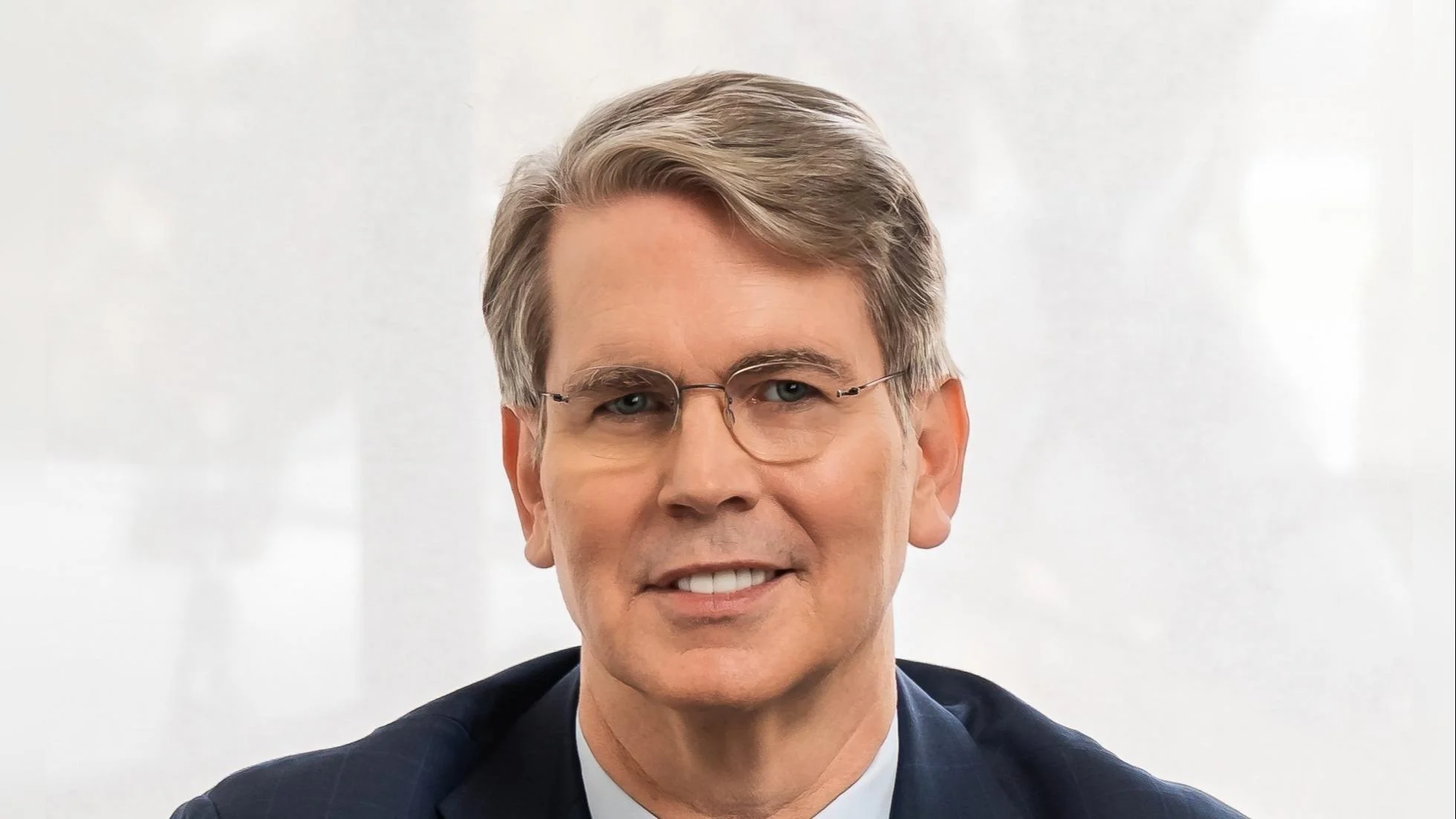
U.S. Secretary of the Treasury Scott Bessent announced that U.S.-headquartered companies will be exempt from the OECD Pillar Two global minimum tax rules. This development follows President Trump’s executive orders stating that the Biden Administration’s proposed agreement on OECD Pillar Two would not apply in the United States.
Bessent stated, "President Trump’s Day One Executive Orders made clear that the Biden Administration’s proposed OECD Pillar Two deal would have no force or effect for the United States."
He added, "Today, the Administration delivered on that promise. In close coordination with Congress, Treasury worked to reach agreement with the more than 145 countries in the OECD/G20 Inclusive Framework to have U.S.-headquartered companies remain subject to only U.S. global minimum taxes while exempting them from Pillar Two. This side-by-side agreement recognizes the tax sovereignty of the United States over the worldwide operations of U.S companies and the tax sovereignty of other countries over business activity within their own borders."
According to Bessent, this arrangement will also maintain incentives such as research and development credits and other investment tools approved by Congress. He said, "Further, the agreement protects the value of the U.S. R&D credit and other Congressionally approved incentives for investment and job creation in the United States, fulfilling the shared goal of U.S. leadership in innovation and technological advancement."
He described this outcome as a significant achievement: "This agreement represents a historic victory in preserving U.S. sovereignty and protecting American workers and businesses from extraterritorial overreach."
The Treasury Department plans to continue discussions with international partners to ensure implementation of this exemption and support stability in international tax policy. Bessent concluded, "Treasury will continue engaging with foreign countries to ensure full implementation of the agreement, build greater international tax stability, and move toward a constructive dialogue on the taxation of the digital economy."