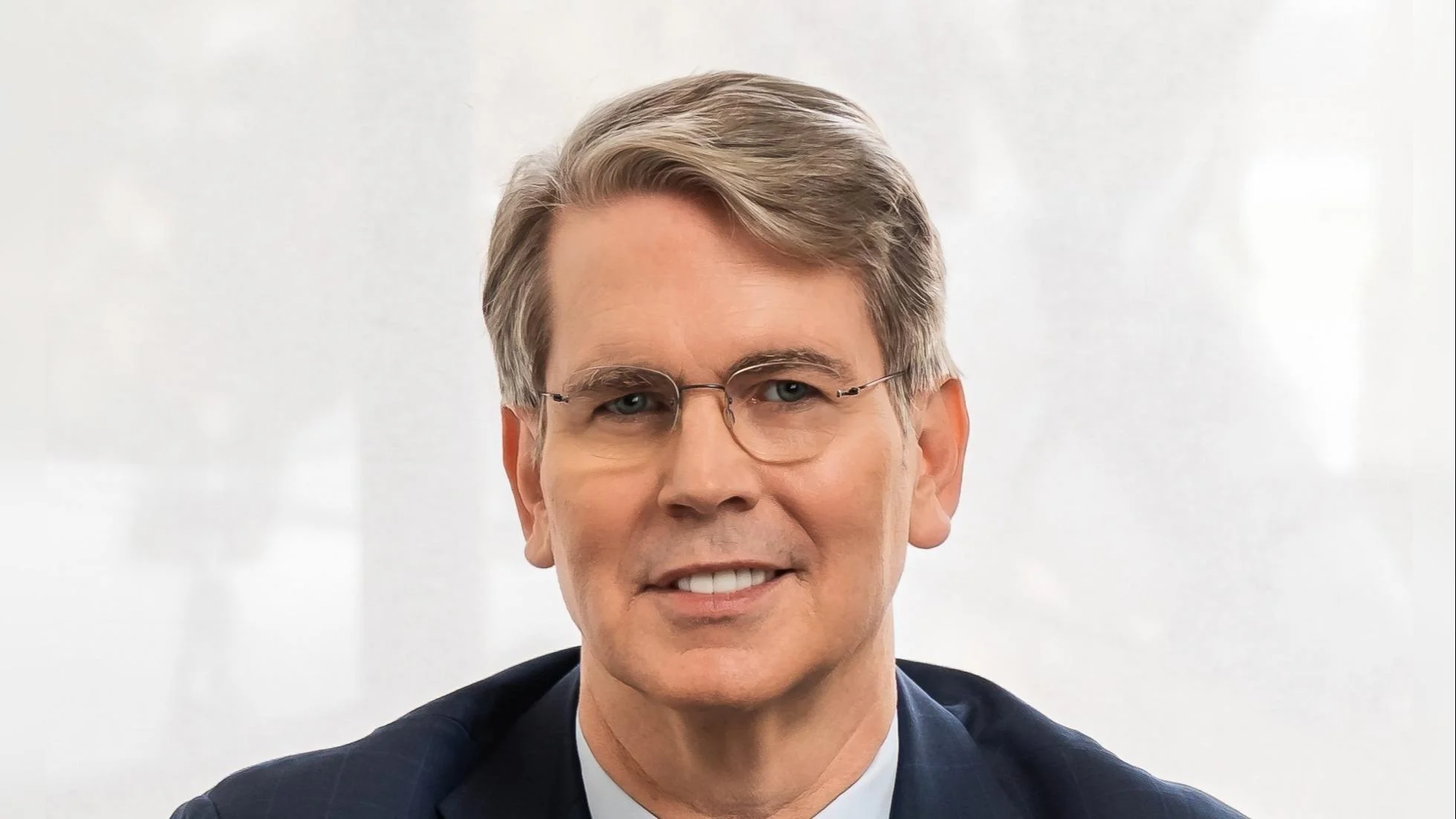
Secretary of the Treasury Scott Bessent delivered remarks at the Economic Club of Minnesota, where he outlined the Trump administration’s economic policies and contrasted them with those of the previous administration. Bessent thanked Minneapolis Federal Reserve President and CEO Neel Kashkari and members of the Economic Club for hosting the event.
Bessent criticized recent policy decisions in Minnesota, citing "failed experiments with big government, overregulation, and the second-highest corporate tax rate in the country," which he said have contributed to job losses and outbound migration. He stated that President Trump’s goal is for Minnesota to regain its status as a leading state in business and innovation.
Discussing national issues, Bessent argued that challenges such as illegal immigration, fraud, and increased government power were inherited by President Trump from his predecessor. He claimed these issues had been addressed since January of last year: "President Trump inherited these very problems when he took office last January—and he has since fixed them one by one. In just one short year, President Trump has delivered a historic economic turnaround to put our country back on the path to prosperity."
He pointed to legislative actions such as the Working Families Tax Cut Act (referred to as "One Big Beautiful Bill"), new trade deals, and deregulation efforts as key drivers of recent economic growth. According to Bessent, these measures led to approximately 4% GDP growth during Trump's first two full quarters in office and nearly 3% growth in the fourth quarter.
Bessent contrasted this performance with what he described as negative impacts from Biden-era policies: "Minnesotans are acutely aware that the Biden Administration made life impossibly expensive through a toxic mix of what I call the three I’s: immigration, interest rates, and inflation." He said that under Biden's policies families faced higher rents, prices, borrowing costs, suppressed wages, and elevated crime.
Looking forward, Bessent identified investment, innovation, and income as central themes for continued economic progress under Trump. On investment policy, he highlighted tariff strategies intended to encourage domestic manufacturing: "The President’s strategic use of tariffs has encouraged corporations...to invest directly in the United States." He noted large investments by companies like Amazon ($120 billion) as well as Minnesota-based firms Medtronic, 3M, and General Mills (over $3.4 billion collectively).
Bessent also discussed agricultural trade gains for Minnesota producers following agreements with China on soybean purchases. He mentioned possible positive effects from an expected La Niña weather pattern next year on crop prices.
Regarding tax policy changes under Trump’s administration—including provisions allowing full expensing for factories—Bessent reported a 12% increase in business investment through most of 2025. He introduced "Trump Accounts," which would provide every newborn citizen with a $1,000 Treasury contribution invested in an index fund: "A single $1,000 deposit into a Trump Account at birth should grow to at least half a million dollars by the age of retirement."
On innovation policy changes aimed at boosting research spending among U.S. businesses through immediate expensing provisions for R&D costs were emphasized alongside deregulation efforts designed to help community banks compete more effectively.
In discussing income growth under current policies versus those under Biden’s presidency—when real weekly wages decreased by 2%, according to Bessent—he said: "Thanks to the President’s pro-worker, pro-growth policies, real wages have climbed more than 1% since he took office..." Additional benefits cited included prevention of a "$4.5 trillion tax hike," expansion of child tax credits for working families and seniors’ deductions on Social Security benefits.
Addressing welfare fraud concerns specific to Minnesota under Governor Tim Walz's administration ("ground zero for what may be the most egregious welfare scam in our nation’s history"), Bessent committed Treasury resources toward recovering stolen funds and preventing future abuse.
Concluding his remarks about national economic prospects going into 2026: "With capital flowing, productivity surging, and prices easing...the stage is set for robust non-inflationary growth." He called upon states like Minnesota to embrace these federal initiatives.