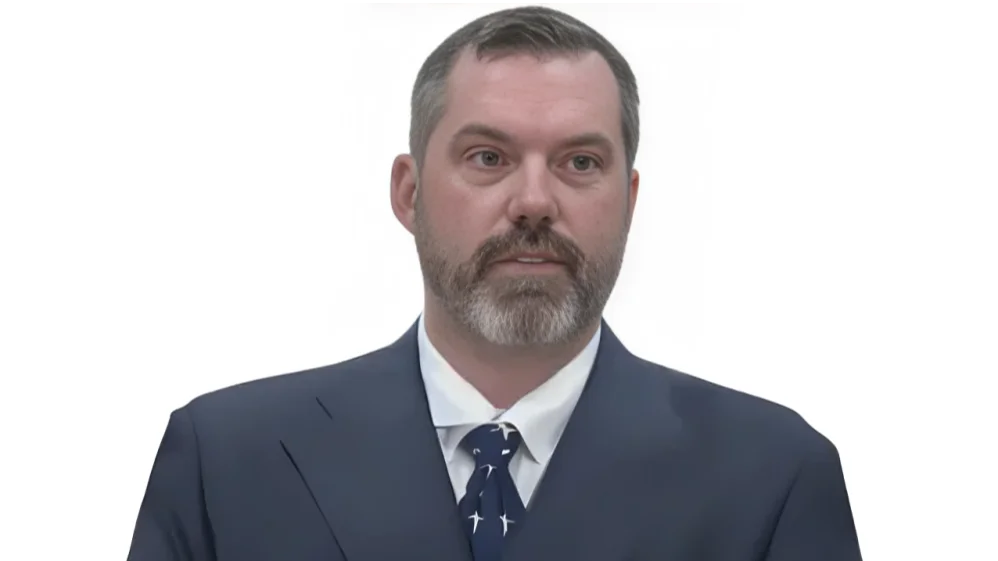
A Venezuelan citizen has been charged in the Eastern District of Virginia with conspiracy to launder approximately one billion dollars in illicit funds. The case centers on Jorge Figueira, 59, who allegedly led a complex laundering network using bank accounts, cryptocurrency exchanges, private wallets, and shell companies to move large sums of illegal money into and out of the United States.
“This case involves the alleged laundering approximately a billion dollars - a scale of criminal conduct that poses a profound threat to financial systems and public safety,” said Lindsey Halligan, U.S. Attorney for the Eastern District of Virginia. “Money laundering at this level enables transnational criminal organizations to operate, expand, and inflict real-world harm. Those who move illicit funds in the billions should expect to be identified, disrupted, and held fully accountable under federal law.”
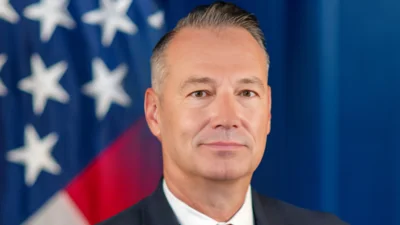
Reid Davis, Special Agent in Charge of the FBI Washington Field Office's Criminal Division, explained: "The FBI has identified approximately a billion dollars' worth of cryptocurrency that was passed through crypto wallets utilized by Figueira and his laundering operation to individuals and businesses throughout the world," adding that "By enlisting subordinates and conducting scores of transfers, Figueira sought to conceal the nature of the funds, potentially facilitating criminal activity in numerous countries."
Court documents allege that Figueira converted money into cryptocurrency directed to digital wallets before exchanging it for dollars through liquidity providers. The converted funds were then transferred from his bank accounts to recipients both within the United States and internationally. This series of transactions was allegedly designed to hide the origins of the money from authorities.
The majority of inbound transactions into Figueira’s accounts reportedly came from cryptocurrency trading platforms. Outbound transactions went primarily to businesses and individuals across several countries including Colombia, China, Panamá, Mexico—places considered high risk for such activities.
If found guilty, Figueira could face up to 20 years in prison. Sentencing would be determined by a federal district court judge according to U.S. Sentencing Guidelines and statutory factors.
Assistant U.S. Attorney Catherine Rosenberg is leading prosecution efforts on this case.
Authorities note that these charges are accusations; all defendants are presumed innocent until proven guilty in court.