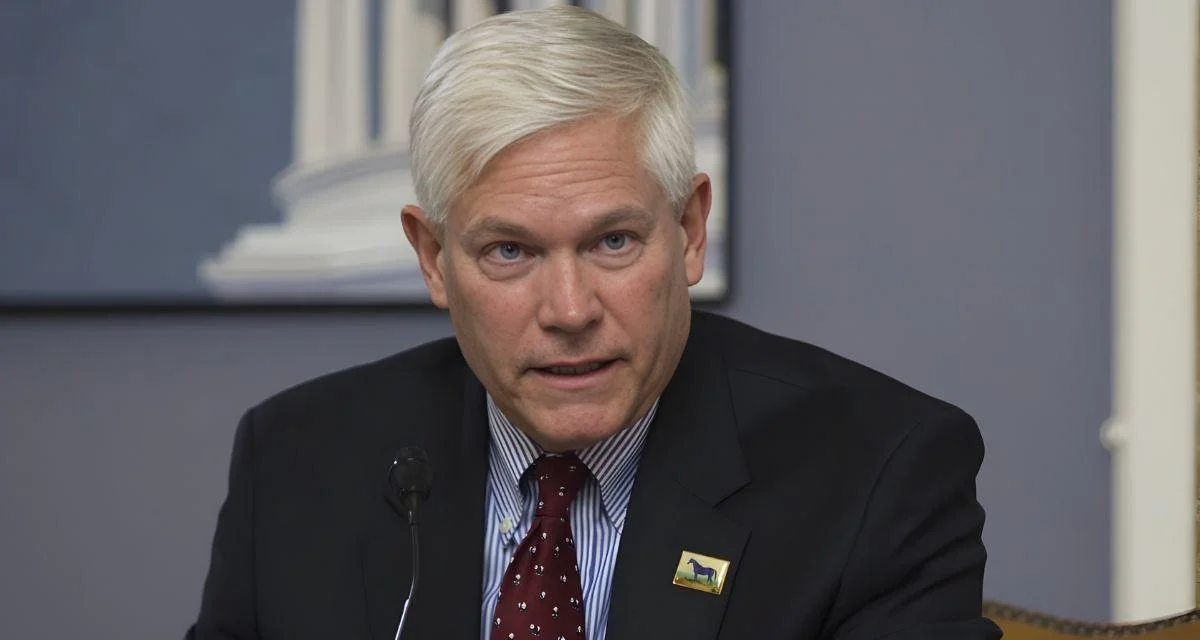
Subcommittee on Government Operations Chairman Pete Sessions (R-Texas) addressed the issue of fraud in federal programs during a hearing focused on innovative tools for detecting and preventing fraudulent activities. The hearing comes after significant fraud was uncovered in Minnesota's social services programs, which went undetected until whistleblowers intervened.
Sessions highlighted that "We exposed expansive fraud in Minnesota that went largely ignored until brave whistleblowers stepped forward." He noted the increasing sophistication of those committing fraud, stating, "We saw that fraudsters were getting smarter and richer at the expense of American taxpayers."
The chairman pointed out weaknesses in oversight mechanisms and questioned why such fraud had not been detected earlier. He remarked, "These bad actors were exploiting loopholes in oversight leaving all of us to ask, 'why wasn’t it stopped earlier? Why did we just now catch it?'"
According to Sessions, government agencies are currently more incentivized to make rapid payments than to prevent fraudulent transactions before they occur. He said, "They are incentivized to make quick payments and try and figure it out later. As we have seen countless times, this approach needs to change. Fraud should be detected before it happens."
Sessions also discussed the role of the Pandemic Response Accountability Committee (PRAC), originally established for pandemic-related oversight but now expanding its focus across other federal programs. The PRAC has developed data analytics tools capable of identifying suspicious patterns across multiple programs, such as unusual IP addresses or connections between different cases.
He explained that these capabilities can prompt agencies to pause and review information before disbursing funds: "They can alert programs to pause and more carefully review submitted information before making any payments." Despite offering these services at no cost, Sessions noted that not all agencies are aware of them.
A key partner in these efforts is the Treasury’s Bureau of Fiscal Service with its Do Not Pay system. However, current regulations limit its ability to intervene before improper payments are made: "The Treasury is the last barrier before payment is sent out so they can initiate that pause before putting money into the wrong hands but they are not allowed to do so."
Sessions identified legislative challenges as obstacles that need addressing for improved collaboration among agencies. While PRAC’s operations have been extended until 2034 under the Council of Inspectors General on Integrity and Efficiency, he argued for a permanent solution preserving their analytical capabilities.
He further stressed the need for broader datasets within Treasury’s Do Not Pay system and called for changes in program design so agencies verify information validity rather than just checking documentation exists.
Concluding his remarks, Sessions stated his intention to introduce legislation aimed at creating a permanent solution for PRAC’s functions: "In the coming weeks, I will be introducing legislation to address some of these issues—more specifically, the permanent solution for the PRAC—and I am eager to hear more from our witnesses about opportunities that exist to promote financial transparency and integrity."
He expressed anticipation for collaboration with committee members on advancing measures against federal program fraud.