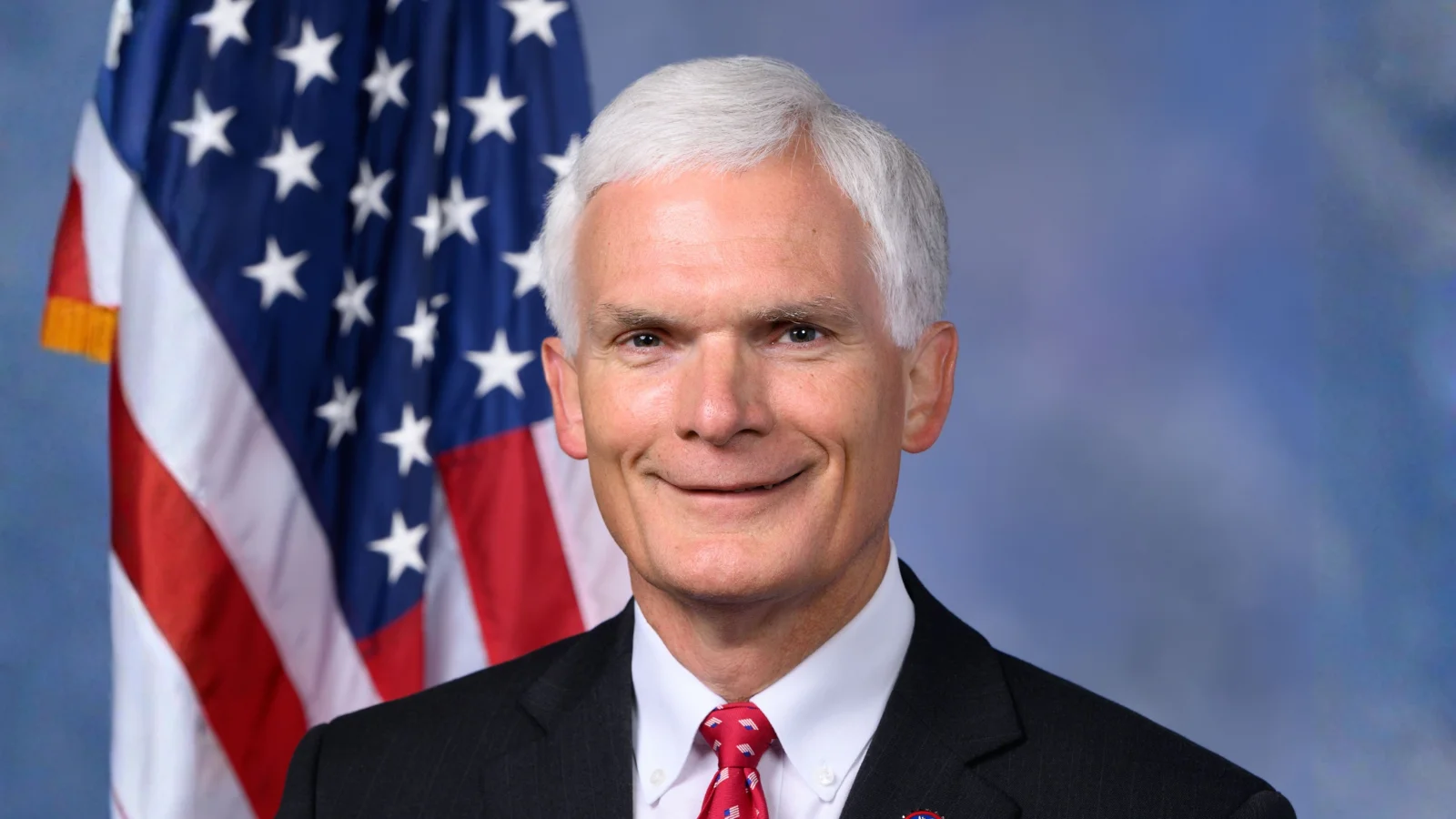
At a hearing in Washington, D.C., Congressman Bob Latta, Chairman of the Subcommittee on Energy, addressed the importance of protecting America's energy infrastructure from cyber and physical threats. In his opening statement, Latta emphasized the critical role that reliable energy delivery plays in supporting the economy and ensuring public welfare.
Latta highlighted that as the nation's energy demands grow, effective security measures are increasingly important. He noted that recent hearings have brought attention to both cyber and physical vulnerabilities within energy systems and discussed efforts to prevent disruptions caused by adversaries.
He stated, "The reliable delivery of energy through our critical infrastructure is foundational to the modern economy and the health and welfare of all our communities." He also remarked on the challenges posed by increasing digitization and interconnectedness in energy networks: "The avenues for malicious activity only widen as digitization, communications, and linkages of gas pipelines, new generating resources, and transmission take root to meet energy demands."
Latta outlined several legislative initiatives aimed at improving security across the sector. The Energy Emergency Leadership Act would strengthen leadership within the Department of Energy (DOE) by requiring Senate confirmation for an Assistant Secretary overseeing emergency and cyber functions. According to Latta, "This will ensure the Department has the focused and accountable leadership to more fully protect the public from fuel and electricity supply disruptions, including emerging threats from our foreign adversaries to the nation’s electric grid."
He also mentioned proposed bills such as the Pipeline Cybersecurity Preparedness Act, which would enhance DOE's role in pipeline cybersecurity; the Energy Threat Analysis Center Act, intended to formalize information sharing among public and private partners; and the Rural and Municipal Utility Cybersecurity Act, which aims to provide funding and technical assistance for small utilities serving rural areas.
Latta referenced past incidents like an attack on a substation in Moore County, North Carolina that left 30,000 people without power. He introduced plans for new legislation—the SECURE Grid Act—to improve state-level visibility into potential threats.
In closing his remarks, Latta stressed bipartisan cooperation: "The bills before us today present a bipartisan opportunity to secure our nation’s energy system so we can fuel economic growth in job creating industries across the country." He welcomed testimony from Alex Fitzsimmons of DOE as well as other witnesses with direct experience in addressing these threats.