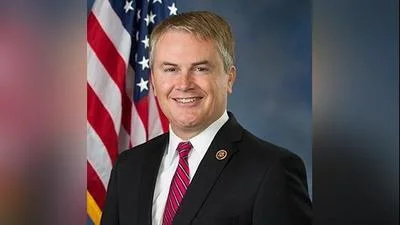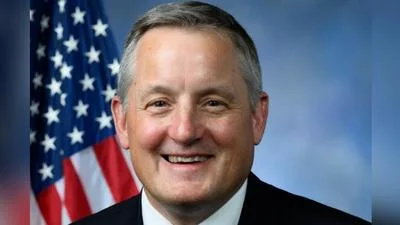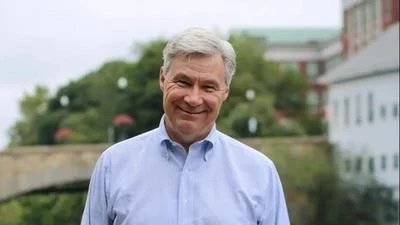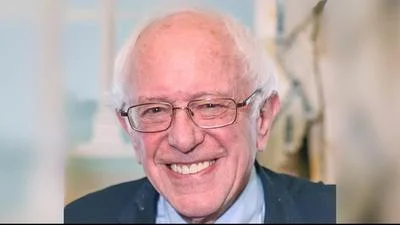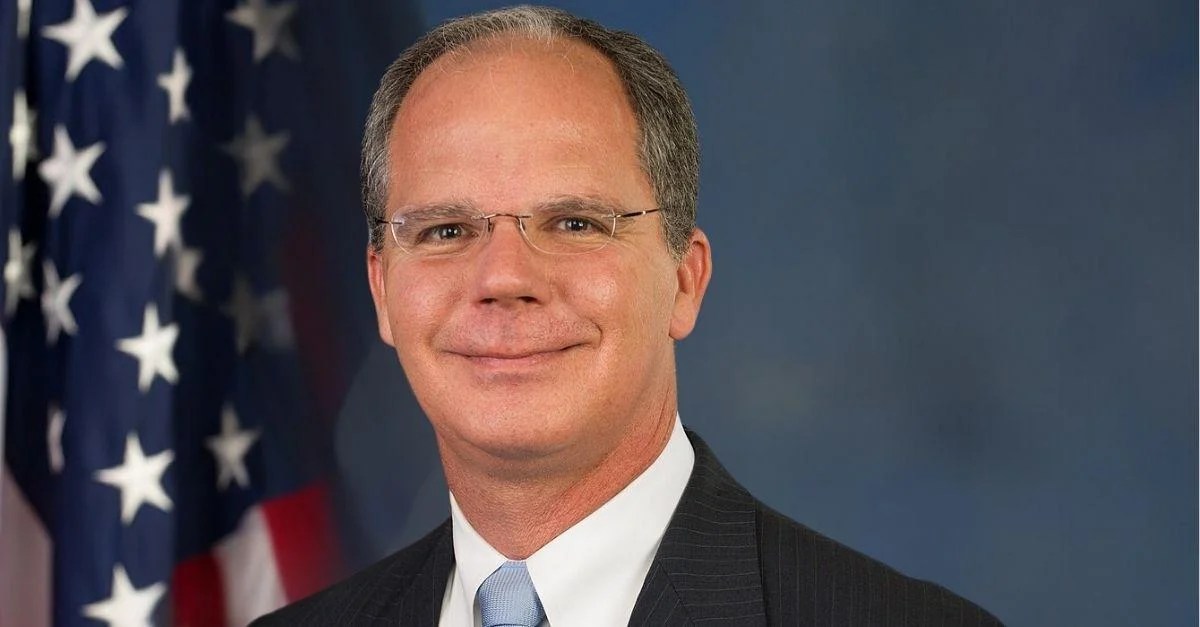
Congressman Richard Hudson, who chairs the Subcommittee on Communications and Technology, delivered an opening statement at a hearing focused on oversight of the Federal Communications Commission (FCC). The hearing marks the first such session of this Congress.
Hudson welcomed FCC Chairman Carr and Commissioner Gomez, as well as Commissioner Trusty, noting Trusty's previous experience as a staffer for the Energy and Commerce Committee. "It is always exciting to see a former Energy and Commerce Committee staffer become a commissioner. I know Mr. Latta is very proud," Hudson said.
He described 2025 as a year defined by deregulation at the FCC under Chairman Carr's leadership. According to Hudson, the agency has worked to reduce barriers to broadband deployment, modernize regulatory systems, and remove outdated rules. These actions include preempting state and local restrictions on wireless infrastructure projects, reforming satellite licensing processes, and improving reliability for Next Generation 911 networks.
"Together, these efforts will accelerate closing the digital divide, unleash the new space economy, and strengthen America’s wireless leadership. I applaud the FCC for this work," he stated.
Hudson pointed out that more work remains for the FCC. He called attention to outdated media ownership regulations that he says disadvantage local broadcasters compared to larger technology companies. "Local broadcasters remain the most trusted source of news for most Americans, yet they now compete in an uneven marketplace shaped by well-resourced new entrants, most notably Big Tech," he said. Hudson urged updates to broadcast ownership caps so that local stations can better compete without risking monopolies.
He also referenced recent legislative action directing the FCC to auction off 800 MHz of spectrum for commercial use—a move intended to support U.S. competitiveness in next-generation wireless technologies like 5G and 6G. The agency has started identifying portions of spectrum suitable for auction in line with these goals.
Finally, Hudson discussed his involvement with a bipartisan working group focused on reforming the Universal Service Fund (USF), which helps fund broadband access in rural areas and supports schools, libraries, health centers, and low-income households through programs overseen by the FCC. He noted last year's Supreme Court decision upholding USF's constitutionality but argued that reforms are needed: "It is past time to reform this program to ensure its long-term sustainability and ensure the funds are reaching the right people."
Hudson concluded by thanking FCC commissioners for their participation in what he described as an important discussion about issues facing both regulators and stakeholders across communications sectors.