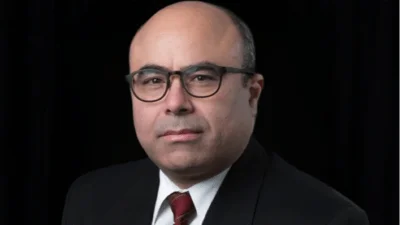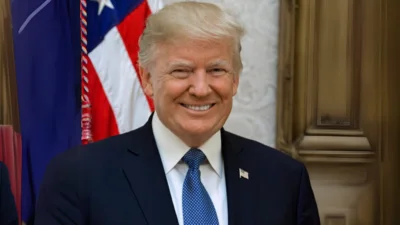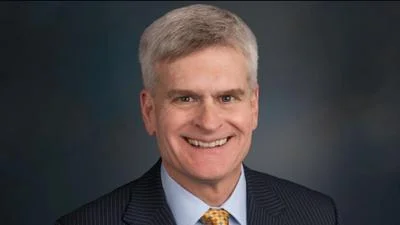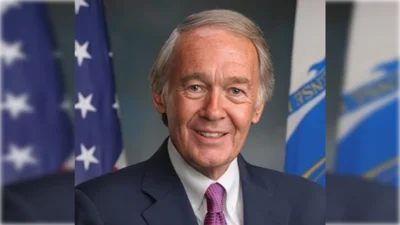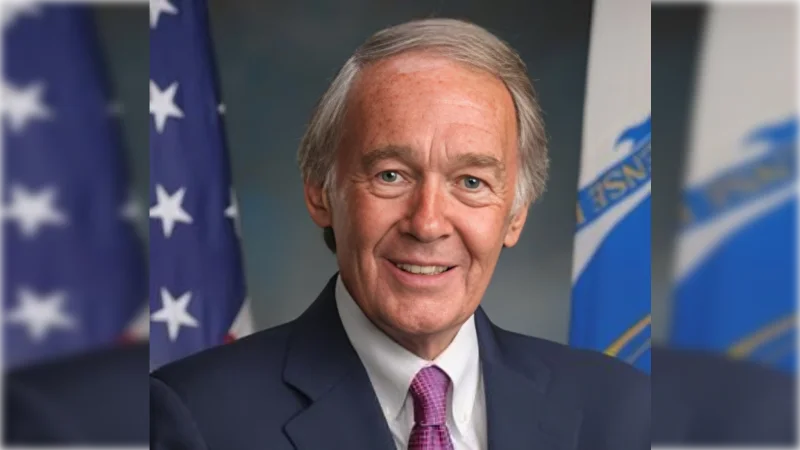
Ranking Member Ed Markey criticized the impact of former President Donald Trump’s policies on small agricultural businesses, citing rising costs and reduced support for rural economies. During a discussion with Erbin Crowell, Executive Director of Neighboring Food Co-op Association in Shelburne Falls, Massachusetts, and Maria Moreira, Founder and Board President of World Farmers in Lancaster, Massachusetts, concerns were raised about increasing health care and energy expenses as well as higher tariffs affecting these businesses.
Markey highlighted the need for reforms in federal food programs to benefit small and underserved producers. He pointed to his proposed EFFECTIVE Food Procurement Act, which aims to direct the U.S. Department of Agriculture to better assist local businesses through federal purchasing programs that are currently dominated by large agricultural companies.
“Food is more than what we see on our plate—it is the labor of farmers and farm workers, the health of our environment, and the cornerstone of growth for many rural economies,” said Ranking Member Markey. “President Trump’s policies are creating higher costs and worsening the long-standing problems that small businesses in rural communities have faced. Small businesses in rural America were already struggling with climate change impacts, rising housing costs, retaining workers, and finding a path forward for their small business when they decide to retire. We must address these issues by ensuring that small businesses are prioritized in federal programs—this includes our farmers, fishers, and ranchers in rural America and across Central and Western Massachusetts—not make it harder for them to exist.”
Crowell emphasized the effect of cuts to food assistance: “Cuts to programs like SNAP have a deep impact on food security, particularly in rural areas,” he said. “People with limited incomes have less money to spend on healthy food and groceries, which also means sales go down for food co-ops and local farmers. When we think about how these benefits impact not just individuals and families on limited incomes, we have to think about them more systemically as well and understand that they are part of a more sustainable and fair food system that can keep people well-fed and healthy over time.”
Moreira described additional challenges facing regional agriculture: “Our farmers are aging, our shifting climate is imposing increasing threats to farmers’ operations, our farmers’ labor force is changing and uncertain, our land prices continue to sky-rocket, and the farmers continue to make pennies on the dollar for their products. Because of the cancellation of the Local Food Program Assistance in March, 500 farmers in Massachusetts and New England did the best they could, but crops were left in the field, unsold.” She added: “If we make smart investments in local and regional food purchasing, we can bring much-needed economic stability to local and mid-sized farm businesses while simultaneously increasing access to fresh, healthy foods for those who need it most. Thank you, Senator Markey, for developing and introducing the EFFECTIVE Food Procurement Act, which would prioritize local, sustainable, and just purchasing with our government contracts.”
Markey has opposed recent policy changes by signing letters criticizing cuts such as those affecting Local Food Purchase Assistance programs—initiatives that previously provided market opportunities for local producers supplying schools or care facilities.
In October 2025 Markey urged USDA Secretary Rollins to prevent interruptions in SNAP benefits during a government shutdown. He joined Representative Ayanna Pressley (D-Mass.-07) along with advocates highlighting efforts by anti-hunger organizations during this period. In November he supported Senate Democrats calling for restoration of SNAP funding after its suspension.
The EFFECTIVE Food Procurement Act introduced by Markey would require new goals at USDA supporting market access for smaller-scale or historically underserved producers while aiming at building a healthier national food system.
The Senate Small Business and Entrepreneurship Committee provides policy options related to federal budget components while contributing nonpartisan analysis through oversight roles such as monitoring the Congressional Budget Office. The committee was established under legislation passed in 1974 and maintains operations out of Washington D.C., focusing on fiscal oversight within Congress.