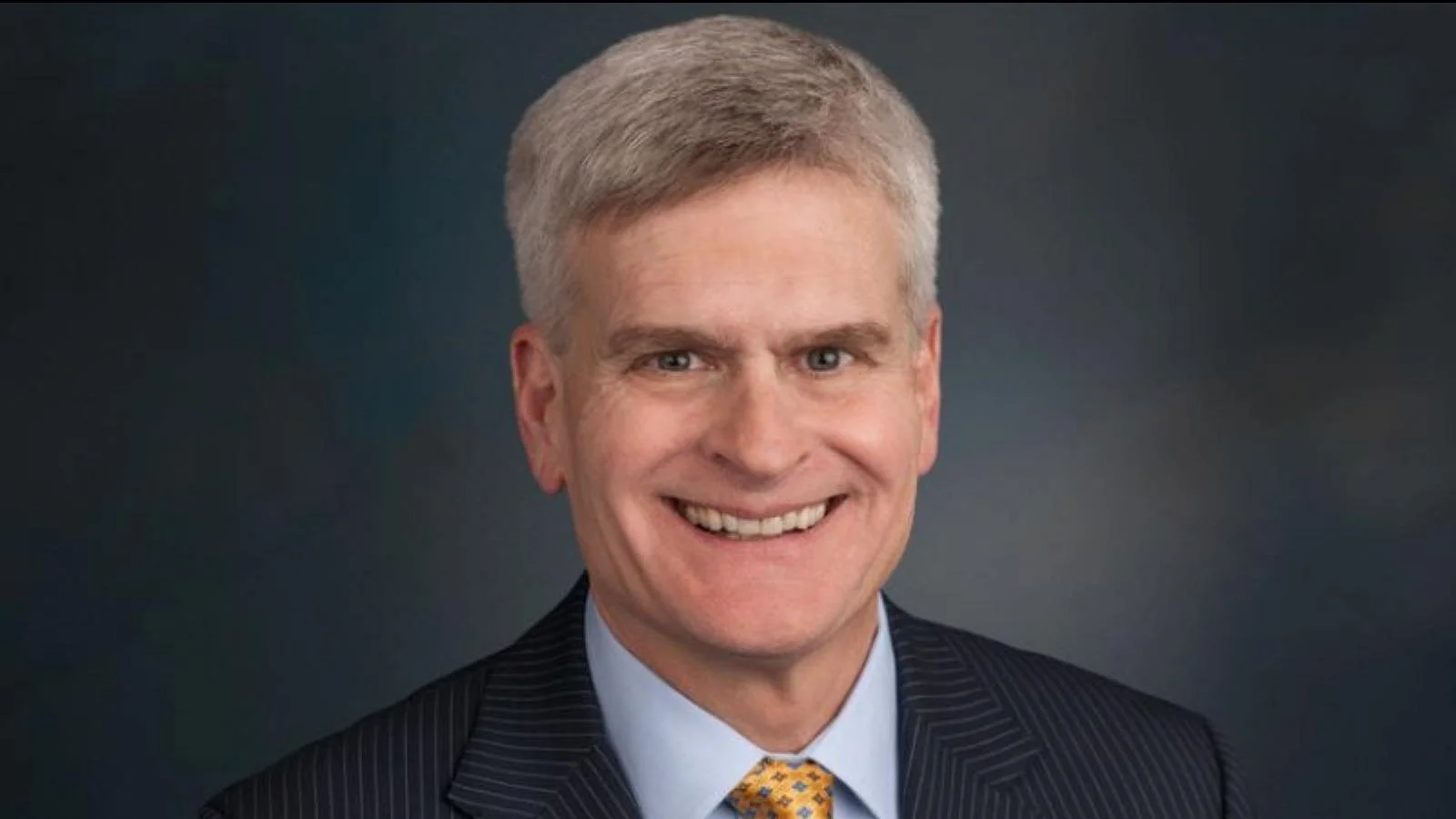
U.S. Senators Bill Cassidy, M.D. (R-LA), chair of the Senate Health, Education, Labor, and Pensions (HELP) Committee, and Maggie Hassan (D-NH) have expressed support for the Trump administration’s efforts to implement the No Surprises Act. The law aims to protect patients from unexpected medical bills and requires transparency about health care costs before treatment.
The No Surprises Act was signed into law by President Trump in 2020 after bipartisan leadership from Cassidy and Hassan. Since its enactment, it has prevented more than 25 million surprise medical bills for Americans. This outcome is credited to the work of the Departments of Health and Human Services (HHS), Labor, and Treasury.
In a joint letter, Senators Cassidy and Hassan stated: “We are writing to express our support of the Department’s efforts to improve the implementation of the No Surprises Act and encourage the pursuit of additional solutions to ensure that the process established under the law to resolve payment disputes between providers, facilities, and health plans is effective. We look forward to continuing to work with the Department and stand ready to assist to ensure that the implementation of the No Surprises Act continues to be successful.”
The law created a Federal Independent Dispute Resolution (IDR) process allowing providers, payers, and health care facilities to settle payment disagreements without involving patients. Under this system, parties must first attempt open negotiation for 30 business days before starting federal dispute resolution.
Cassidy and Hassan raised concerns about fees charged for initiating disputes—whether or not claims are eligible—which could increase costs in the IDR process. They noted that these expenses might eventually affect patients.
They wrote: “As implementation of the No Surprises Act has progressed, the Department and IDR entities have faced challenges quickly determining the eligibility of disputes for the Federal IDR process. Around one in five disputes submitted to the process are ultimately ruled ineligible for dispute resolution through the No Surprises Act. The ineligible claims take up capacity of the Federal IDR process that should be used towards processing eligible claims. We are concerned that fees that providers and plans pay to initiate disputes—regardless of whether a claim is eligible or ineligible—could drive up costs … which is not the intent of the law.”
The senators also addressed delays within federal dispute resolution operations but acknowledged improvements made by HHS. Recent data indicate nearly 97 percent of federal IDR cases have been resolved or are less than 30 business days old; however, approximately 363,000 cases remain outstanding.
They added: “An efficient Federal IDR process is essential to maintaining success … We are pleased to see that [the Departments] plan necessary rules … This follows efforts from 2023 when [they] promulgated a proposed rule …”
Congress provided an additional $14 million through recent appropriations legislation (P.L. 119-37) specifically aimed at improving dispute resolution efficiency.
The Senate Health, Education, Labor, and Pensions Committee oversees public health issues such as this legislation as part of its broader mandate covering education policy and workforce development programs (official website).
Cassidy and Hassan concluded their letter by stating their commitment: “We look forward to continuing to work with [the Department] …to ensure that implementation … continues successfully.”