Lawmakers on Capitol Hill are considering changes to the Toxic Substances Control Act (TSCA) that could impact how new chemicals are approved for use in the United States. The House Committee on Energy and Commerce is leading this effort, with a hearing scheduled for January 22 to discuss proposed legislation.
According to a recent report by the Wall Street Journal, the draft legislation would streamline approvals for new chemicals, including those used in heavy manufacturing and household products. It would also make it easier for industries to use new chemicals and expand approved uses of existing ones.
The proposal includes measures to speed up approval for chemicals already authorized in certain other countries, allowing them to be manufactured domestically. Additionally, it directs the Environmental Protection Agency (EPA) to prioritize reviews of new chemicals intended to address supply-chain risks related to critical materials—a move aimed at enhancing U.S. competitiveness against China in critical minerals markets.
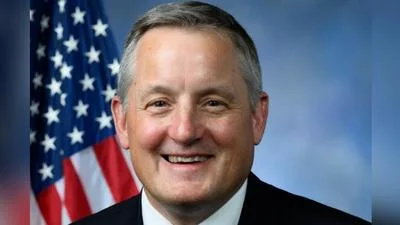
Republicans backing the bill argue that these updates will help American businesses compete globally. Brett Guthrie (R., Ky.), chairman of the committee, stated: “The draft legislation Republicans are proposing ‘will help maintain America’s leadership in chemical innovation and strengthen domestic competitiveness in the global marketplace.’”
Industry leaders have voiced support for these efforts. Chris Jahn, president of the American Chemistry Council, said: “‘Congress is leading by moving legislation to provide durable improvements to ensure that U.S. manufacturing remains competitive,’ adding that he thinks it is necessary for ‘the next generation of semiconductors, AI and advanced technologies’ to be made in the U.S.”
However, some experts and advocacy groups have raised concerns about potential impacts on public health and environmental protections. Maria Doa, who previously led chemical safety reviews at EPA, noted during a previous hearing: “‘A 2016 bipartisan update to the law that increased safety reviews and testing transformed the law from largely ineffective to one that set clear direction to protect human health and the environment.’”
Rep. Raul Ruiz (D., Calif.), an emergency physician who has spoken about TSCA reforms before Congress, emphasized: “‘The old version of the law failed to safeguard our communities, allowing people to be exposed to harmful chemicals in their homes and workplaces, and this failure disproportionately impacted vulnerable populations.’” He added that TSCA remains vital for protecting people from hazardous substances like asbestos.
Environmental organizations such as the Environmental Defense Fund have warned that relaxing TSCA regulations could weaken protections for workers and communities near chemical plants.
The EPA has previously sought changes under both Republican and Democratic administrations regarding how PFAS—so-called “forever chemicals”—are regulated under TSCA. Meanwhile, states continue efforts independently aiming at reducing such substances in consumer products.
The House Committee on Energy and Commerce maintains its position that regulatory focus should remain on actual or intended uses rather than speculative risks: “‘[We want] EPA to focus safety reviews and regulations on actual or intended uses and risks, not mere speculation.’”