The House of Representatives has passed two key appropriations bills for Fiscal Year 2026: H.R. 7148, the Consolidated Appropriations Act, 2026, and H.R. 7147, the Department of Homeland Security Appropriations Act, 2026. The votes were 341 to 88 for H.R. 7148 and 220 to 207 for H.R. 7147.
These measures complete the passage of all twelve appropriations bills required for FY26. According to House leadership, this process was member-driven and involved negotiations between both chambers of Congress.
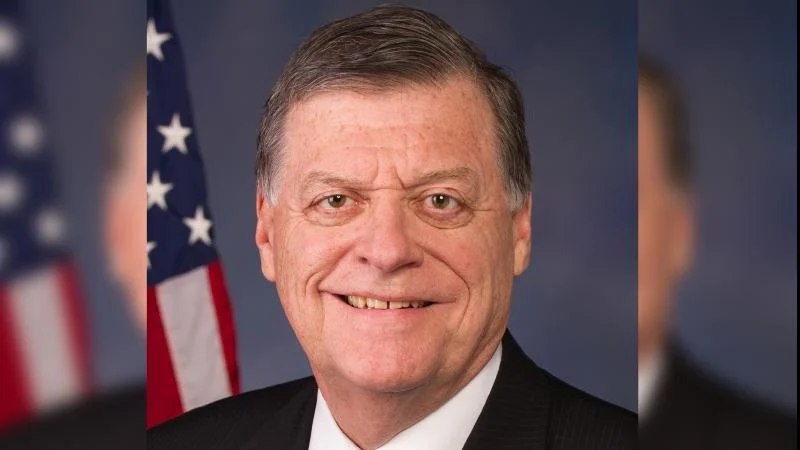
Chairman Tom Cole (R-OK) stated, "There were bets against us. Many said it was impossible. Yet, in this moment, the U.S. House of Representatives has delivered on its Article I responsibility. Here is what we’ve proven – commentary and headlines don’t dictate facts, difficulty doesn’t excuse inaction, and duty to the nation requires results. This package reflects what governing with purpose looks like. Instead of last-minute omnibuses or runaway spending, these FY26 bills deliver responsible full-year funding and represent critical progress in completing the appropriations process. Today, we’ve invested in strengthening our national defense, making our homeland safer, supporting education and health systems, and modernizing our transportation and infrastructure. Republicans set clear goals at the outset: reduce spending, lock in DOGE-driven cuts and reforms, and replace Biden-era provisions with policies that put America First. These bills do exactly that. They invest in readiness and security, demand accountability, and focus federal dollars on core responsibilities – not bureaucratic excess. Subcommittee Chairmen Robert Aderholt, Ken Calvert, Steve Womack, and Mark Amodei did the hard work – and the American people are better off because of it. Congress is closing out Fiscal Year 2026 through discipline and critical progress on regular order. This member-driven intentional process is how governing is supposed to work – and how Republicans are turning President Trump’s vision into law."
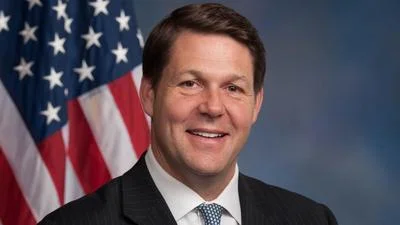
Labor-HHS-Education Subcommittee Chairman Robert Aderholt (R-AL) commented on maintaining investments while emphasizing fiscal stewardship: "Passage of the final FY26 appropriations package balances the need for responsible fiscal stewardship while maintaining key investments in biomedical research classrooms and education and rural health and primary care... Labor–HHS priorities support the American people by demanding greater accountability while focusing resources where they matter most... As Chairman of the Labor-HHS Subcommittee I was honored to lead the effort to rein in spending... while also ensuring these bills provide funding for critical projects that support jobs and growth in our districts."
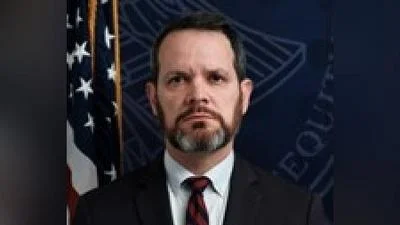
Defense Subcommittee Chairman Ken Calvert (R-CA) highlighted military priorities: "Keeping America safe is our top priority in Congress... By establishing a new Civil Reserve Manufacturing Network... we are strengthening our military superiority... We also continue to target international drug cartels... by investing in National Guard counter-drug programs... Our servicemembers are the most essential component of our national security strategy..."
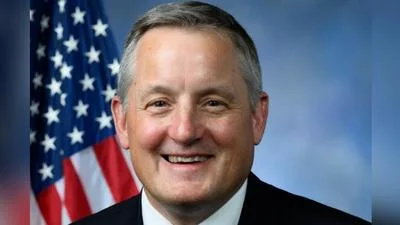
Transportation-HUD Subcommittee Chairman Steve Womack (R-AR) addressed infrastructure improvements: "My Transportation Housing And Urban Development division reflects a deliberate shift away from bloated bureaucracy... Among its many provisions we delivered a long-overdue infusion of resources to modernize our national airspace... We also provided states with funding they need to build safer more reliable roads..."
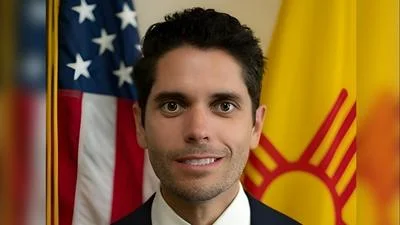
Homeland Security Subcommittee Chairman Mark Amodei (R-NV) spoke about border security efforts: "When we look back to a year ago ... it’s clear ... Americans ... hope[d] for more secure borders streets free of drugs ... This funding addresses every aspect of our national security where ... [the] United States could be vulnerable..."
The passage marks a change from previous years’ reliance on large omnibus packages passed late or under pressure; instead this year’s process emphasized transparency according to congressional leaders.
Negotiators included House subcommittee chairs Robert Aderholt (Labor-HHS), Ken Calvert (Defense), Steve Womack (Transportation-HUD), Mark Amodei (Homeland Security), as well as Senators Mitch McConnell (KY), Shelley Moore Capito (WV), Cindy Hyde-Smith (MS), Katie Britt (AL).
The defense bill aims at restoring military strength through investment in innovation supply chains weapons systems as well as providing pay raises for service members.
Homeland security provisions focus on increasing border enforcement capabilities personnel training technology upgrades across air land maritime cyber domains aiming at reducing illegal immigration drug trafficking threats.
Labor-health-education measures direct funds toward biomedical research classroom improvement rural healthcare aiming at public health workforce development.
Transportation-housing measures fund modernization efforts such as air traffic control road bridge safety local community economic development housing assistance especially targeting vulnerable populations.
Total FY26 spending will remain below levels projected under current continuing resolutions resulting in savings according to Republican leadership.