U.S. Customs and Border Protection (CBP) officers in Baltimore seized $70,737 in unreported currency from the captain of the M/V Sheng Ning Hai, a bulk freighter owned by COSCO Shipping Lines and flagged in China. The seizure took place on January 22 during a routine enforcement boarding after the vessel arrived at the port.
During inspections, commercial vessel captains are required to report all currency on board to CBP officers. In this case, the vessel master did not declare any currency during the inspection. Prior records showed that he had previously filed a Financial Crimes Enforcement Network (FinCEN) 105 form for $34,480 at an earlier stop in Searsport, Maine. However, after leaving Maine, it was discovered that an additional $40,000 had been provided to him by the vessel agent—an amount not reported or amended on his FinCEN 105 form when arriving in Baltimore.
CBP officers returned to conduct a more thorough search of the ship and found $70,737 stored in the purser’s safe. The money was seized by authorities while allowing the vessel to continue its journey.
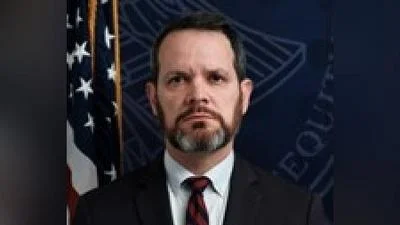
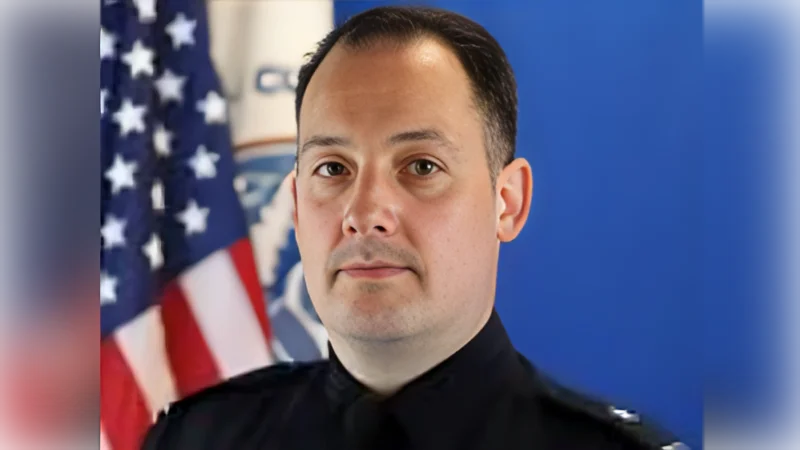
Matthew Suarez, Acting Director of CBP’s Baltimore Field Office, stated: “It is rare to see a commercial ship captain deliberately violate our nation’s laws. But it is alarming criminal behavior that we expect by an adversarial nation that repeatedly uses commercial port calls at United States seaports to collect military intelligence and steal proprietary business information,” said CBP’s Acting Director of the Baltimore Field Office Matthew Suarez. “CBP will continue to scrutinize the bad actors operating merchant vessels that are both flagged and operated by adversarial nations. We remain committed to protecting our nation’s security and economic vitality.”
According to U.S. law, travelers entering or leaving the country may carry any amount of currency but must report amounts over $10,000 using a FinCEN 105 form.
In fiscal year 2024 alone, CBP officers and agents confiscated an average of $152,418 daily in unreported or illicit currency along U.S. borders.
CBP operates at ports of entry across the country with responsibilities including screening international travelers and cargo for illegal drugs, undeclared cash, weapons, counterfeit goods, prohibited agricultural items and other products that could threaten public safety or economic interests.
More information about CBP's work can be found at www.CBP.gov.