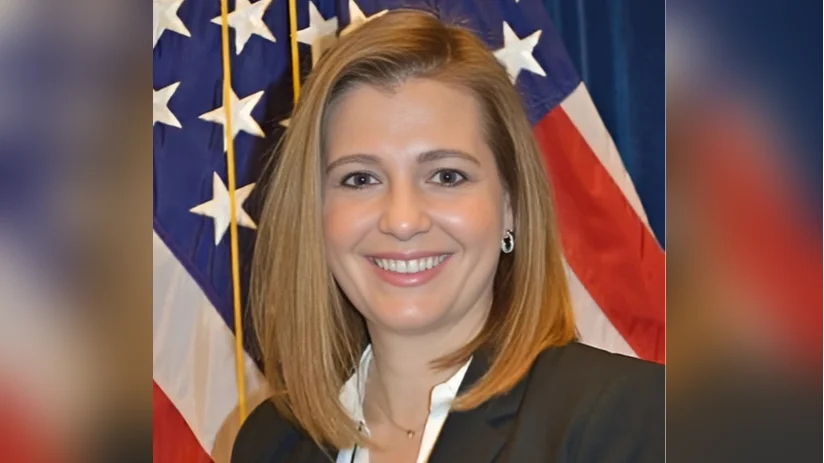
A former postal worker in Clayton, Missouri, has been sentenced to a year and a day in federal prison for her involvement in a conspiracy to steal checks from the mail and commit bank fraud. U.S. District Judge John A. Ross also ordered Cambria M. Hopkins to pay $21,635 in restitution.
According to court documents, Hopkins sold her “arrow key,” which grants access to U.S. Postal Service collection boxes, to Malik A. Jones on March 20, 2022. She provided Jones with information about which mailboxes the key would open. Using this access, Jones paid others to steal mail using the key Hopkins had supplied.
Hopkins also admitted to selling stolen checks multiple times to Jones—checks she had taken both from the post office and while on her delivery route. In exchange for these checks, she received payments in cash, through CashApp, or as groceries.
Assistant U.S. Attorney Jonathan Clow stated in a sentencing memo: “The relatively small amount of money for which (Hopkins) was willing to abuse her position, undermine the public’s trust, and harm those whose mail she stole speaks to the selfishness of her actions.” Clow further noted that when confronted by investigators, Hopkins “lied to investigators… and attempted to cover up her crimes by then deleting her messages with Jones.”
Hopkins pleaded guilty in August to one count of conspiracy and one count of unlawful use of a mail key.
Malik A. Jones was previously sentenced after pleading guilty to bank fraud and aggravated identity theft; he received a sentence of 42 months in prison.
Acting Inspector in Charge Mary Johnson of the Chicago Division of the U.S. Postal Inspection Service commented on the case: “The sentencing in this case illustrates that individuals who steal mail will be held accountable for their actions,” Johnson said. “The Postal Inspection Service is proud to work with our local, state, and federal partners to bring mail theft perpetrators to justice and prevent financial crimes targeting local citizens, postal customers, and financial institutions.”
The investigation was conducted by the U.S. Postal Service Office of Inspector General and the U.S. Postal Inspection Service. Assistant U.S. Attorney Jonathan Clow prosecuted the case.