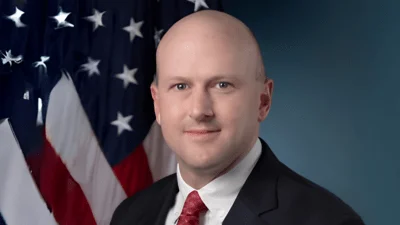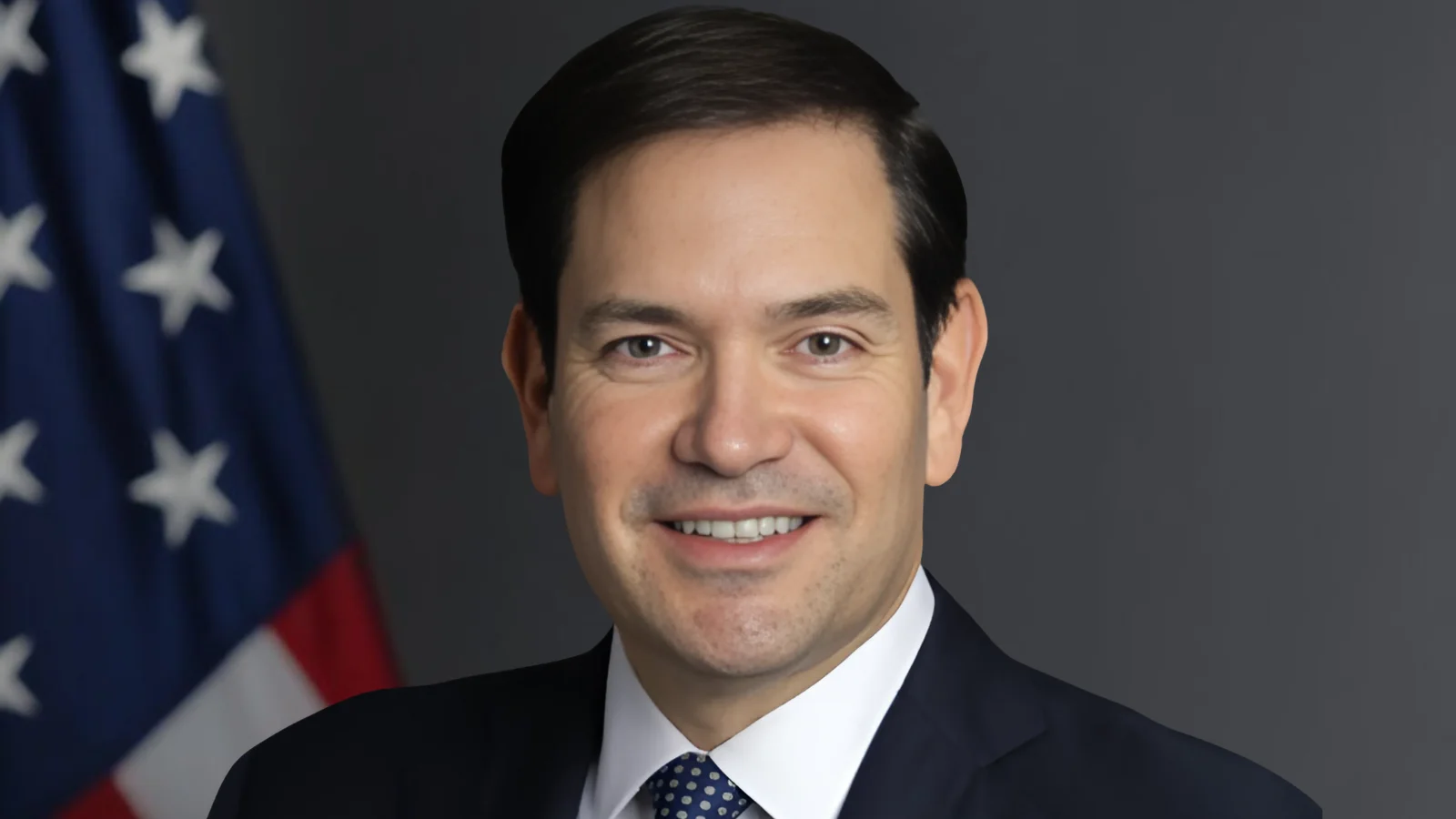
The United States, alongside international partners and allies, hosted the 2026 Critical Minerals Ministerial to address global challenges in the critical minerals and rare earths market. Secretary of State Marco Rubio led the event with Vice President JD Vance, Treasury Secretary Scott Bessent, Interior Secretary Doug Burgum, Energy Secretary Chris Wright, and U.S. Trade Representative Ambassador Jamieson Greer. The ministerial brought together representatives from 54 countries and the European Commission, including 43 foreign ministers.
Critical minerals and rare earths are essential for technologies such as artificial intelligence, robotics, batteries, and autonomous devices. Current supply chains for these materials are highly concentrated, which can create risks of political coercion and disruptions.
During the meeting, the United States signed eleven new bilateral critical minerals frameworks or memorandums of understanding (MOUs) with countries including Argentina, Cook Islands, Ecuador, Guinea, Morocco, Paraguay, Peru, Philippines, United Arab Emirates, and Uzbekistan. In addition to these agreements reached at the ministerial event on February 4th, ten other similar frameworks have been signed in recent months. Negotiations have also concluded with seventeen additional countries on comparable agreements.
Secretary Rubio announced that FORGE (Forum on Resource Geostrategic Engagement) will replace the Minerals Security Partnership (MSP). FORGE will be chaired by South Korea through June and aims to lead coordinated action to strengthen diversified and resilient supply chains for critical minerals.
The U.S. government is working closely with private sector partners—including Pax Silica—to invest in mining operations as well as refining and recycling initiatives. On February 3rd—the day before the ministerial—private sector leaders met with government officials to discuss investment opportunities. Deputy Secretary Landau witnessed an MOU signing between Glencore and Orion Critical Mineral Consortium related to a potential acquisition in the Democratic Republic of Congo (DRC), aiming to promote secure copper and cobalt flows from DRC to the United States.
Following these discussions, a task force comprising mining industry leaders was formed under Deputy Secretary Landau and Under Secretary Helberg to advance priority projects in collaboration with U.S. partners.
Over the past six months alone, more than $30 billion has been committed by the U.S. government through letters of interest, investments, loans or other support measures for critical mineral projects worldwide—often leveraging additional private capital investments far exceeding public funds.
Recent actions include:
- The Export-Import Bank of the United States (EXIM) approved Project Vault—a $10 billion direct loan initiative creating a domestic strategic reserve for critical minerals aimed at protecting manufacturers from supply shocks.
- EXIM has issued $14.8 billion in Letters of Interest over the past year for various projects related to rare earths development within both domestic sites such as Arkansas (lithium extraction), Pennsylvania (advanced metal powders), Tennessee (critical metals processing), New York (zinc mining), Virginia (titanium processing), as well as international sites including Australia and Pakistan.
- The Department of Energy's Loan Programs Office provided significant funding: $2.3 billion for Lithium Americas’ Thacker Pass project; nearly $1 billion each for Ioneer’s Rhyolite Ridge project; $475 million for Glencore Battery Recycling; further conditional commitments totaling billions more support lithium hydroxide production from geothermal brine; synthetic graphite processing; potash mining; plus targeted grants aimed at next-generation mining technology demonstration facilities.
- The Department of War invested hundreds of millions into equity or debt commitments supporting projects in Alaska (Ambler Metals), Western Australia (Alcoa-Sojitz), North Carolina (Vulcan Elements), Indiana (ReElement), Republic of Korea/Tennessee (Korea Zinc), Jamaica/Louisiana (Atalco).
- The U.S. International Development Finance Corporation invested over a billion dollars across multiple initiatives: seed investments in Ukraine’s strategic sectors; major stakes via Orion Critical Minerals Consortium globally; rare earth extraction in Brazil; potential tungsten development financing in Kazakhstan; joint ventures securing copper supplies via African trading vehicles.
- The Office of the United States Trade Representative announced new Action Plans with Mexico focused on trade policies addressing vulnerabilities in mineral supply chains while coordinating future plans with Japan and European Commission counterparts.
"Today’s Ministerial marks an unprecedented show of leadership by America," said organizers during their announcement. "We will build new sources of supply...transforming this global market into one that is secure."
"FORGE...will lead with bold action," said Secretary Rubio during his remarks about launching this successor partnership organization among participating nations.
The ongoing efforts aim not only at safeguarding U.S. national security but also maintaining economic competitiveness through stronger industrial policy measures under current administration priorities.