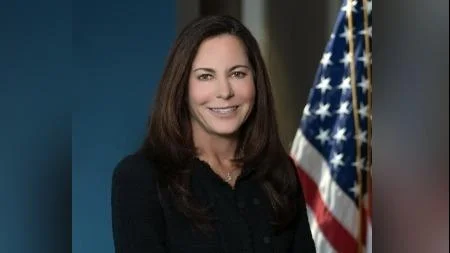
Leah B. Foley United States Attorney for the District of Massachusetts | Department of Justice
QP Holdings, LLC, an Arkansas-based company, along with its affiliates River Bend Industries, LLC, Master Molded Products, LLC, and 3D Plastics, LLC, has agreed to pay $3.2 million to settle allegations of violating the False Claims Act related to Paycheck Protection Program (PPP) loans.
The PPP was established under the Coronavirus Aid, Relief, and Economic Security Act (CARES Act) in March 2020 to help small businesses retain jobs and cover certain expenses during the COVID-19 pandemic. The program offered forgivable loans administered by the U.S. Small Business Administration (SBA). Loans were distributed in two rounds: the first in March 2020 and a second in January 2021. To qualify for these loans, businesses had to certify that they met specific size standards based on their total number of employees across all affiliated entities.
According to federal authorities, QP Holdings’ affiliates each received a second-draw PPP loan but were not eligible because they exceeded the required business size standards for these loans. The affiliates also obtained full forgiveness from the SBA for these second-draw loans.
As part of the settlement agreement, QP Holdings and its affiliates acknowledged their ineligibility for the PPP loans due to exceeding size limits. The settlement takes into account credit for cooperation provided by QP Holdings under Department of Justice guidelines regarding voluntary disclosure and remediation in False Claims Act matters.
Some of the claims resolved stemmed from a whistleblower lawsuit filed under the qui tam provisions of the False Claims Act. This allows private individuals to file lawsuits on behalf of the United States and receive a share of any recovery. In this case, "the relator will receive 10% of the settlement amount," according to federal officials.
United States Attorney Leah B. Foley and representatives from the U.S. Small Business Administration announced the resolution. Brian M. LaMacchia led the case as Chief of the Affirmative Civil Enforcement Unit.