The National Federation of Independent Business (NFIB) released its latest Small Business Optimism Index, showing a slight decline of 0.2 points in January to 99.3. Despite this dip, the index remains above its 52-year average of 98.
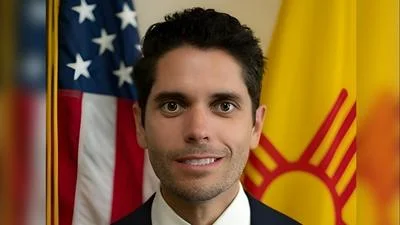
Tray Abney, state director for NFIB in Nevada, commented on the report: “Yes, the Index dipped slightly last month, but what is most important is that it still came in above its 52-year average, which is good news to those of us who remember it wasn’t so long ago when it fell below it for 34 consecutive months,” said Abney. “We’ll see how long this can be sustained, but Congress making the 20% Small Business Tax Deduction permanent and Governor Lombardo curbing the worst excesses of Carson City tell me positive Index readings will be around for a bit longer.”
Of the ten components that make up the Optimism Index, three saw increases while seven declined. The largest change was seen in expected real sales volume, which rose by six points. The Uncertainty Index also increased by seven points from December to reach 91. This was primarily due to more business owners expressing uncertainty about whether now is a good time to expand.
A new feature in this report is the NFIB Small Business Employment Index. This index consolidates several jobs-related survey questions into a single figure and currently stands at 101.6—about 1.5 points higher than its historical average—suggesting balanced conditions in the labor market.
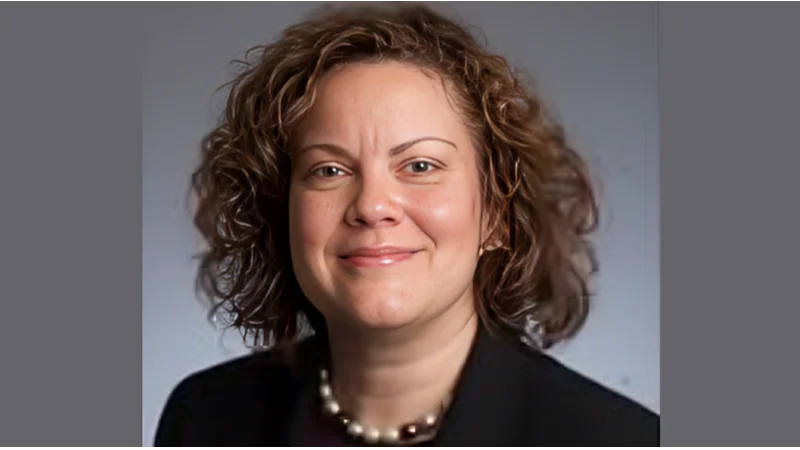
NFIB Chief Economist Bill Dunkelberg stated: “While GDP is rising, small businesses are still waiting for noticeable economic growth. Despite this, more owners are reporting better business health and anticipating higher sales.”
Other notable findings include an increase in insurance concerns among small business owners; thirteen percent cited insurance cost or availability as their main issue—up four points from December and matching levels not seen since December 2018.
Sixty percent of respondents reported capital outlays over the past six months—a four-point rise from December and the highest rate since November 2023.
Fewer owners reported paying higher interest rates on recent loans in January compared to December—a net negative six percent—which may indicate improving credit conditions for small borrowers.
Business health assessments showed improvement: fourteen percent rated their overall business health as excellent (up five points), fifty-four percent as good (unchanged), twenty-seven percent as fair (down seven points), and four percent as poor (up one point).
Additional details and updates can be found at www.nfib.com or through NFIB’s social media channels.