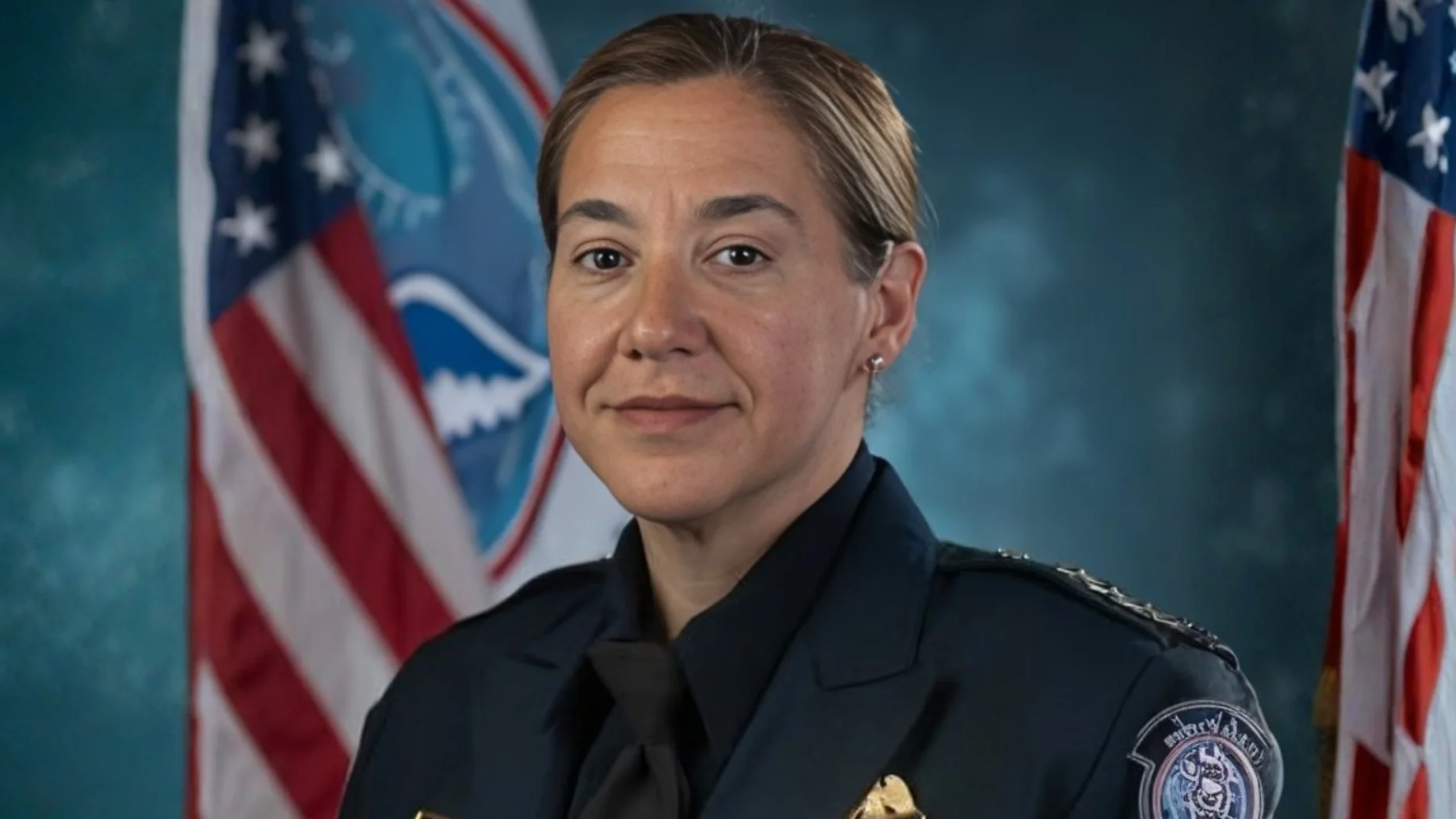
Executive Assistant Commissioner Diane J. Sabatino of U.S. Customs and Border Protection (CBP) shared details on three significant enforcement actions by CBP officers in early February 2026 through a series of posts on X.
On February 11, 2026, Sabatino reported that "CBP officers in Louisville, KY intercepted a spool of ethernet cable concealing almost seven pounds of Ketamine heading to Belgium in late January. Great work @DFOChicago." According to CBP procedures, international shipments are routinely screened for contraband using a combination of intelligence-driven targeting and non-intrusive inspection technologies.
Later the same day, Sabatino highlighted another drug seizure at the border: "A declared shopping trip, ended with a major drug seizure thanks to the vigilance of @DFOTuson. A @cbpgov canine alert and a NII scan uncovered over 143 lbs. of meth and over 27 lbs. of cocaine mixed with fentanyl. Our officers are always on duty. #OFOproud #FentanylCrisis" The use of canines and Non-Intrusive Inspection (NII) technology is standard practice for detecting concealed narcotics at ports of entry.
In her final post that day, Sabatino drew attention to wildlife protection efforts: "513 cowrie shells. 29 warthog tusks. @DFObaltimore agriculture specialists at the Port of Dulles are making a difference for wildlife protection! By enforcing laws like the Endangered Species Act, we help protect global biodiversity.
#PortOfDulles #AgSpecialists #OFOproud" Enforcement actions like these support compliance with international treaties such as CITES (the Convention on International Trade in Endangered Species), which restricts trade in endangered animal parts to preserve biodiversity.
CBP's Office of Field Operations regularly reports seizures involving narcotics and illegal wildlife products as part of its mandate to enforce U.S. laws at borders and ports of entry.