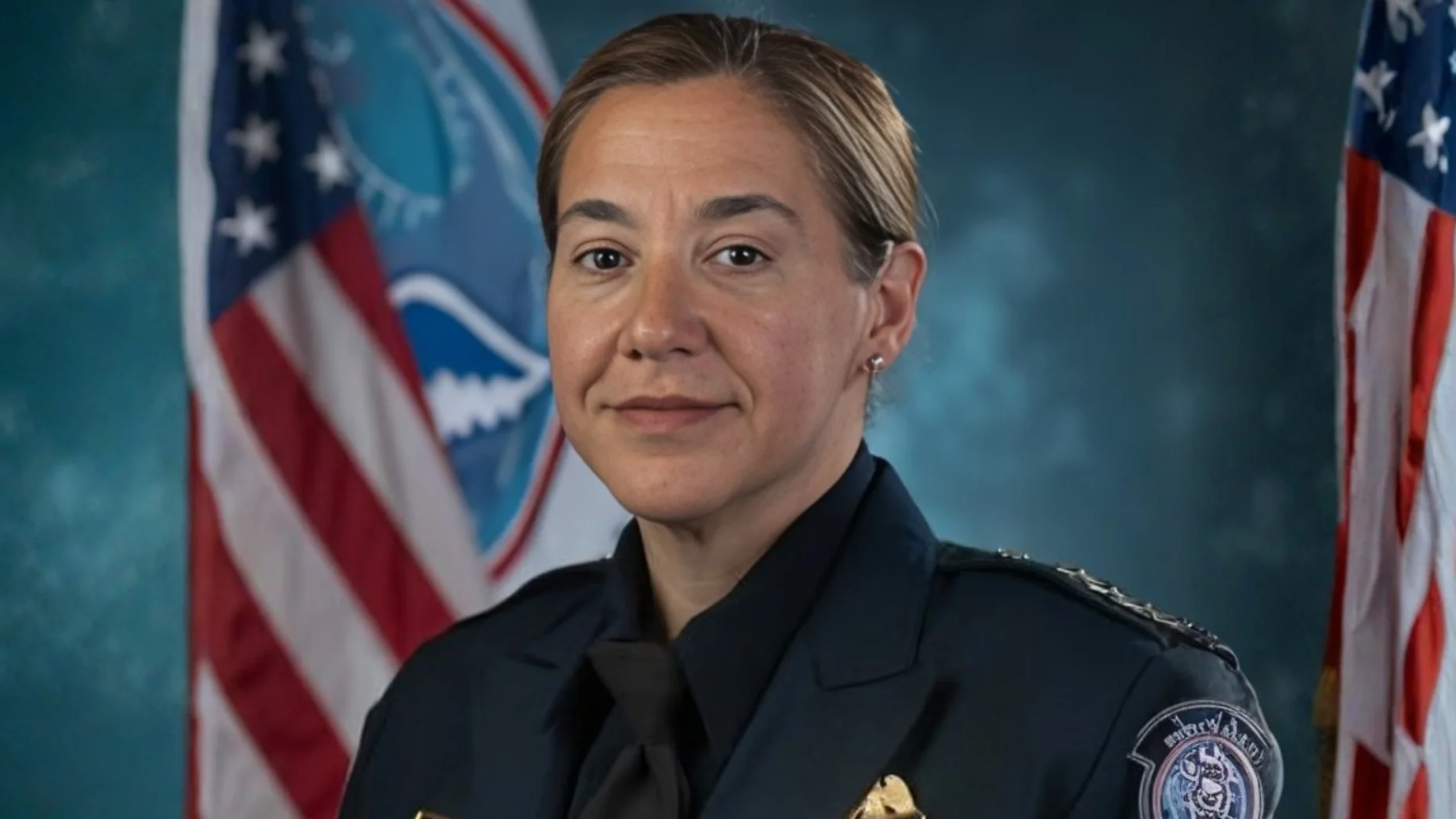
Executive Assistant Commissioner Diane J. Sabatino, a senior official at U.S. Customs and Border Protection (CBP), posted a series of updates on her X account highlighting recent CBP enforcement actions and initiatives.
On February 13, 2026, Sabatino shared details about a significant narcotics seizure, stating: "The @CBP narcotics vault is more than storage--it's a statement. Joined @Sec_Noem, @USBPChief, & @DFOSanDiegoCA to see 180K lbs of narcotics seized. Every pound shows the fight against transnational criminal orgs & how CBP officers seizing drugs saves American lives. #OFOProud".
In another post dated February 14, 2026, Sabatino addressed efforts to combat tariff evasion: "No takeout on tariffs
@DFOAtlanta recovered $3.2M after uncovering tariff evasion involving misclassified disposable “to-go” food containers. The case involved 2 violators and 174 shipments—proof that even everyday items have to be declared correctly.
#OFOproud".
Later the same day, she noted CBP's work in agricultural inspections ahead of Valentine's Day: "No pests, just petals this Valentine's Day. @CBP agriculture specialists work hard to make sure those flowers you bring to your loved ones don't contain harmful insects that could destroy U.S. natural resources. #OFOProud".
CBP plays a key role in enforcing laws related to border security, trade compliance, and agricultural protection in the United States. The agency regularly reports seizures of illicit drugs at ports of entry as part of its efforts against transnational criminal organizations. Additionally, CBP investigates tariff evasion schemes that can undermine U.S. trade policy and collects duties owed on imported goods found to be misclassified or undervalued by importers. On the agricultural front, CBP specialists inspect millions of shipments annually to prevent invasive species from entering the country through imported plants and flowers.