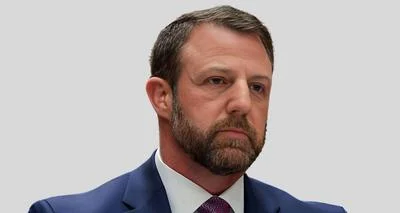
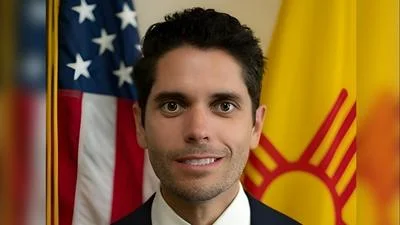
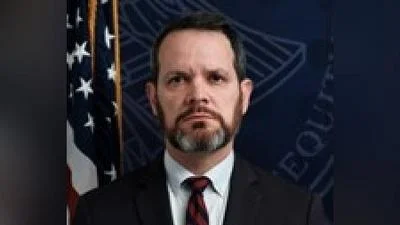
The Texas Transportation Commission held its January 2026 meeting in Austin, where members discussed recent winter weather response efforts and future transportation planning.
TxDOT Executive Director Marc Williams and the commissioners praised employees for their work during the winter storm that hit most of Texas over the weekend of January 24. Crews worked extended shifts to prepare roads with brine and granular material before the storm, then continued around-the-clock operations to clear ice and snow. According to TxDOT, more than 13 million gallons of brine and over 50,000 cubic feet of granular material were used. Some areas remained under continuous operations a week after the event.
Acting Commission Chairman Alvin New highlighted the collaboration among TxDOT teams across regions. "Williams praised the robust response across the state and the long days and nights crews spent working on clearing roads."
During peak conditions, more than 5,000 road segments were affected by winter weather. TxDOT coordinated with other state agencies and contractors to keep roads open when possible. The public was advised to stay home if possible and use DriveTexas.org for real-time updates; this site saw over 1.6 million visits during the storm.
On transportation planning, Humberto “Tito” Gonzalez Jr., Director of Transportation Planning and Programming at TxDOT, presented an outline for the 2027 Unified Transportation Program (UTP). The UTP is a ten-year plan guiding project development statewide, expected to allocate $94.5 billion in funding over ten years, with total investment including maintenance projected at $138.9 billion.
The department will draft a plan for later presentation to the commission, aiming for adoption in August.
Acting Chair New shared preliminary data from 2025 showing a decrease in average daily traffic fatalities: "According to the preliminary reports, there were 10.2 fatalities per day on average, down from 11.3 in 2024." He noted that while this trend is positive, ongoing efforts are needed by both TxDOT and drivers.
TxDOT continues investments in engineering improvements as well as public education campaigns about road safety but emphasized personal responsibility among drivers: "every person needs to take personal responsibility to make safe decisions and follow traffic laws so we can end the 25-year streak of daily deaths on Texas roads."
Williams also reported that TxDOT hosted the National Environmental Policy Act (NEPA) Assignment Peer Exchange during this period at its Austin headquarters—an event bringing together transportation leaders from across state and federal organizations nationwide.
Leadership changes were announced for the Texas Freight Advisory Committee: Judge Edward Emmett retired after thirteen years as chair; Gerry Schwebel was appointed as his successor.
New also pointed out $1.4 billion in federal funding allocated through the Rural Health Transformation Program—$281 million annually over five years—to support rural health care access via improved highway connectivity between rural areas and larger communities.
In contract awards, commissioners approved $484 million for sixty-two highway improvement projects, $32 million for twenty-two routine maintenance projects, and $15.7 million for building construction in Bandera County.
For aviation infrastructure, six airports received a combined $29 million in state and federal grants for capital improvements.
Public transportation projects received $2.4 million from state funds along with Federal Transit Administration support; these include vehicle purchases supporting Electric Vehicle Pilot Program implementation.
Three State Infrastructure Bank loans were granted:
- City of El Paso: up to $14.8 million
- City of Granbury: up to $16.8 million
- RCH Water Supply Corporation: up to $17.4 million
With these awards, total SIB lending since inception has surpassed $1 billion—supporting more than $9.6 billion worth of projects across 135 communities statewide through low-interest financing options aimed at addressing local infrastructure needs.
Recent federal initiatives complement these efforts:
- Nearly $19.6 million was awarded nationally through Small Shipyard Grants by MARAD.
- In recognition of ADA’s anniversary, winners were named in USDOT’s Inclusive Design Challenge focused on accessible mobility solutions.
- The Federal Highway Administration issued new guidance alongside formula funding totaling $7.3 billion under President Biden’s Bipartisan Infrastructure Law targeting resilience against extreme weather.
- The Department convened partners involved with FLOW (Freight Logistics Optimization Works) as participation doubled among companies sharing supply chain data (details here).
- More than $2.2 billion was distributed via RAISE grants supporting modernization across urban/rural transit systems.
Innovation within rail transport has resulted in reductions of train crew sizes over time—from five-person crews decades ago down now typically two-person teams (more information).