The Department of Homeland Security (DHS) has issued a statement in response to recent claims made by the New York Times regarding the quality of medical care provided at Immigration and Customs Enforcement (ICE) detention facilities. The department described these allegations as inaccurate.
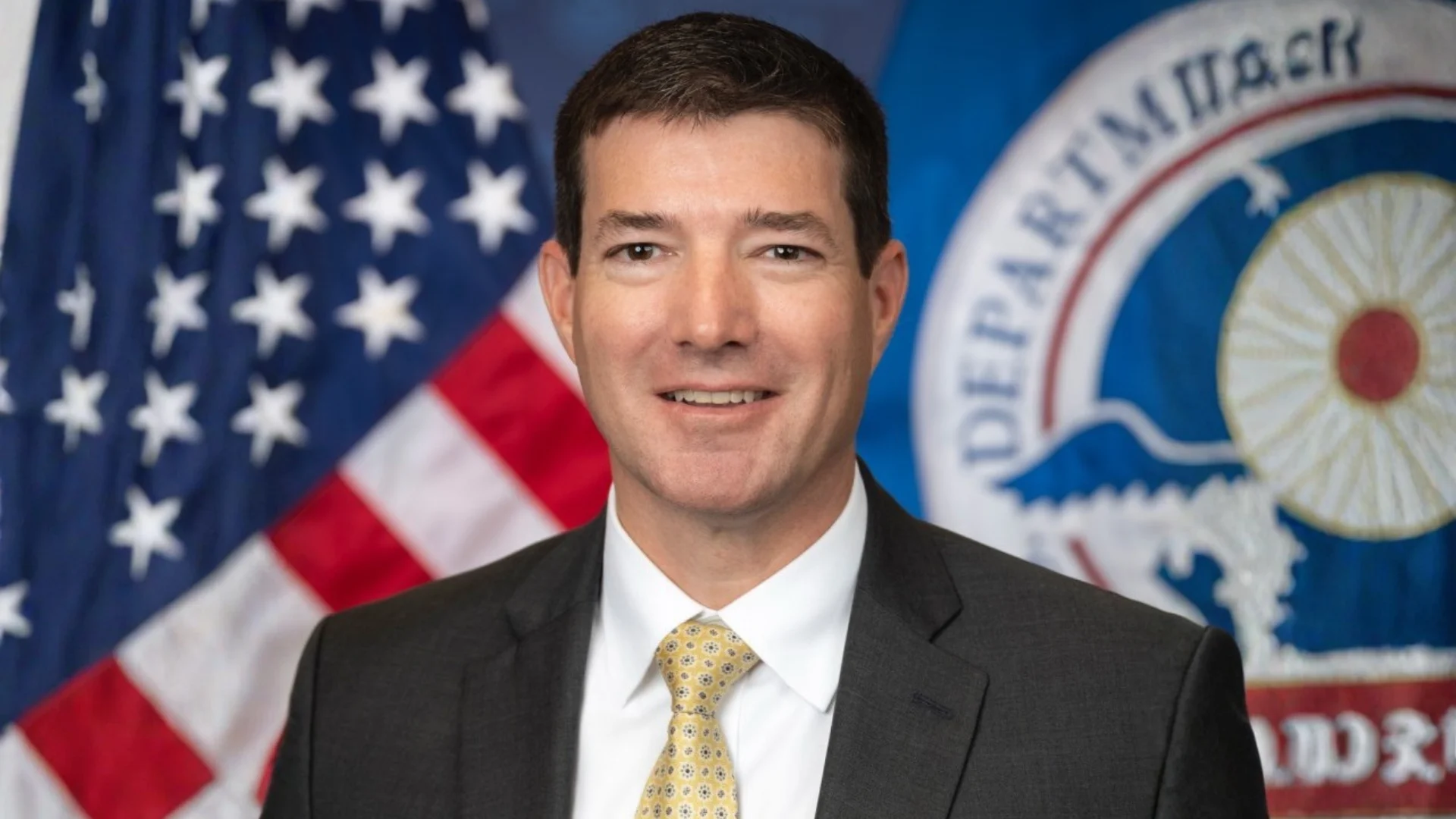
“These allegations of illegal aliens being denied proper medical care in ICE custody are FALSE. It is both policy and longstanding practice for aliens to receive timely and appropriate medical care from the moment they enter ICE custody. This includes medical, dental, women’s health, mental health services, any needed follow up medical appointments, as well as 24-hour emergency care. This is better, more responsive healthcare than many aliens have ever received in their entire lives,” said Dr. Sean Conley, DHS Chief Medical Officer. “As detention capacity expands, ICE continues to recruit healthcare professionals and work with its contractors to maintain standards in staffing and the care provided.”
The DHS addressed specific cases cited by the New York Times:
In one case involving an 18-month-old child at the Dilley facility, DHS stated that after entering the United States illegally in August 2024 and later being detained at Dilley on December 9, 2025, the child became ill with a respiratory illness but was given immediate medical attention. She was admitted to Methodist Children’s Hospital in San Antonio for eight days before returning to Dilley after being cleared by a pediatrician.
Another claim concerned a female detainee allegedly refused care while hemorrhaging. According to DHS records, Anastasiia Ekimovskaia entered through Otay Mesa Port of Entry on October 6, 2025. She underwent an initial intake exam reporting no concerns but later requested help for pain related to kidney stones and heavy menstrual bleeding. The department reported she received evaluations by nursing staff and physicians, was referred to outside specialists including an OB/GYN after hospital evaluation for moderate heavy menstrual bleeding, and attended multiple follow-up appointments.
A further allegation involved Lorenzo Antonio Batrez Vargas dying without adequate attention while detained at Central Arizona Correctional Complex. DHS stated that Batrez tested positive for COVID-19 on August 14, 2025; he was isolated and treated immediately following standard protocols which included diagnostic imaging and tuberculosis testing. He became unresponsive while under medical supervision; doctors attempted life-saving measures but he died on August 31.
Lastly, regarding reports that an 11-year-old girl lost her hearing after complaints about ear pain were dismissed: DHS noted that during her intake exam her parent mentioned chronic ear infections history; she was prescribed antibiotics when she first reported pain in November and offered additional treatment in December which her mother declined despite extensive discussion with providers.