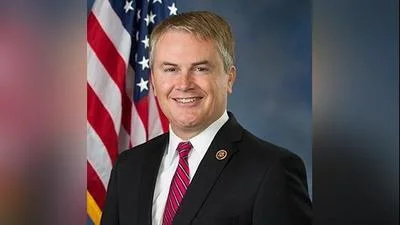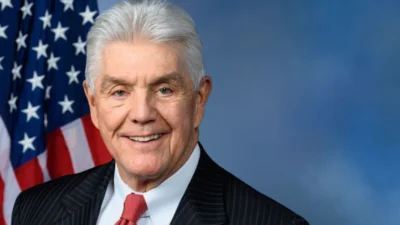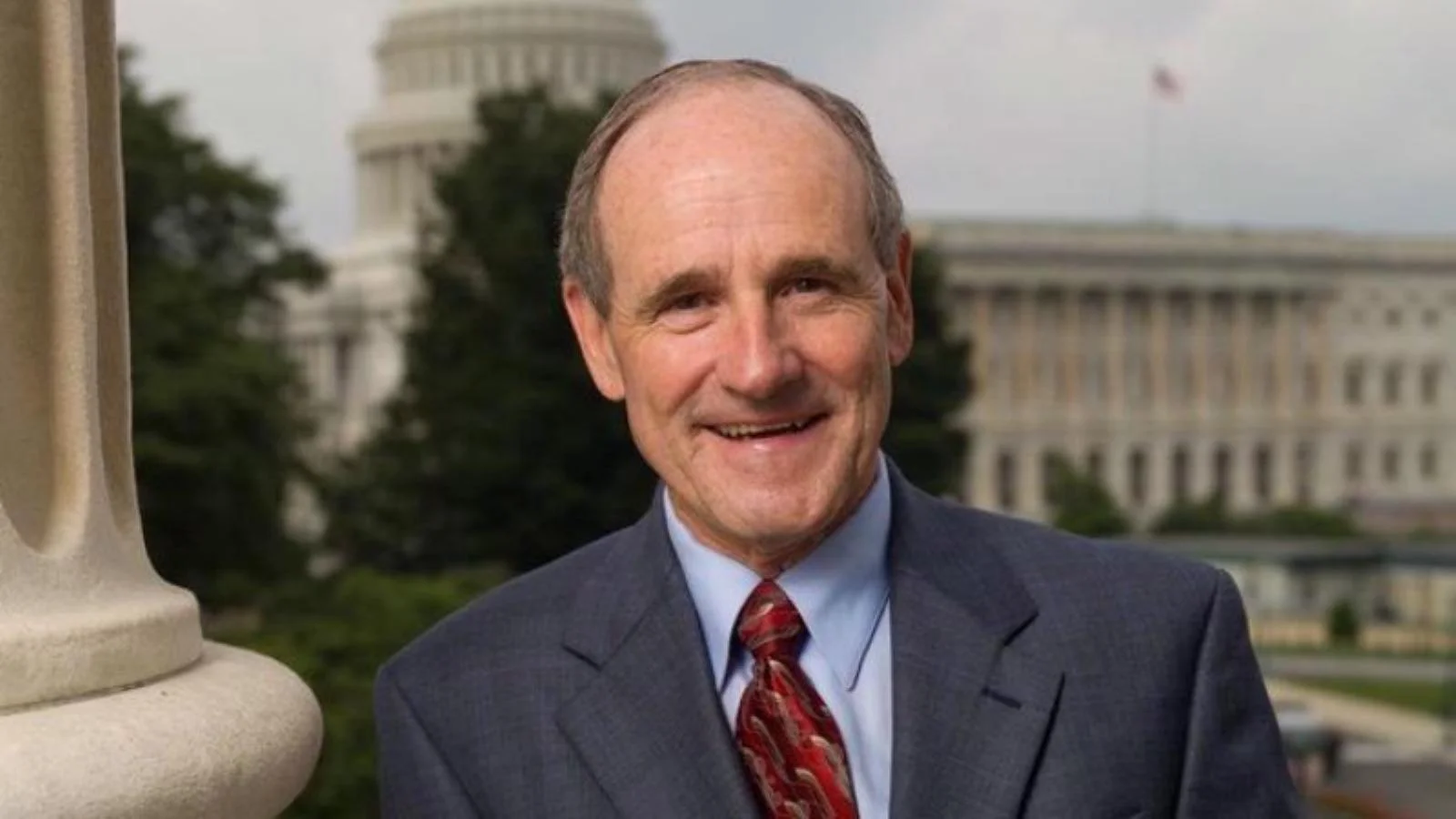
U.S. Senators Jim Risch (R-Idaho), Pete Ricketts (R-Neb.), and Chris Coons (D-Del.), along with Representatives Young Kim (R-Calif.-40) and Ami Bera (D-Calif.-06), have led a bipartisan letter to Taiwan’s Legislative Yuan leadership, urging the country to increase its defense spending in response to growing concerns about aggression from the People’s Republic of China.
The letter, signed by 37 members of Congress from both chambers, addresses reports that Taiwan may only partially fund a supplementary defense budget request. The lawmakers emphasize the importance of a strong, multi-year defense budget to deter threats from China.
“Both the United States and Taiwan must do more to deter PRC aggression. For our part, the U.S. must address the massive backlog in weapons deliveries to Taiwan. You have our commitment to continue to work together to ensure Taiwan gets the capabilities it needs, faster. Likewise, we need Taiwan to step up with us. We commend Taiwan for making important progress in strengthening its military readiness, reserve forces, and asymmetric defense capabilities. Nevertheless, we fear that without significant increases in Taiwan’s defense spending at levels reflected in President Lai’s proposed special budget, this progress will be insufficient,” states the letter.
It continues: “we hope you will support a robust, multi-year special defense budget, as well as annual funding at levels that adequately meet the moment and send a clear signal of Taiwan’s will to defend itself.”
The message is addressed directly to Speaker Han Kuo-yu and other leaders within Taiwan's legislature. It highlights longstanding ties between the United States and Taiwan based on shared democratic values and security cooperation since passage of the Taiwan Relations Act.
Lawmakers note an increased threat from China under Xi Jinping's leadership through actions such as military exercises near Taiwan and incursions into its airspace and waters.
The Senate Foreign Relations Committee plays a central role in shaping U.S. foreign policy by reviewing treaties and legislation related to international relations (official website). The committee was established in 1816 as one of the original standing committees of the Senate (official website), with its chairman leading majority members (official website). Over time, it has influenced key decisions such as supporting postwar recovery efforts like the Marshall Plan (official website) and rejecting major treaties including Versailles after World War I (official website).
The letter concludes by thanking Taiwanese leaders for their commitment to democracy and security while calling for continued cooperation between both nations’ legislatures.