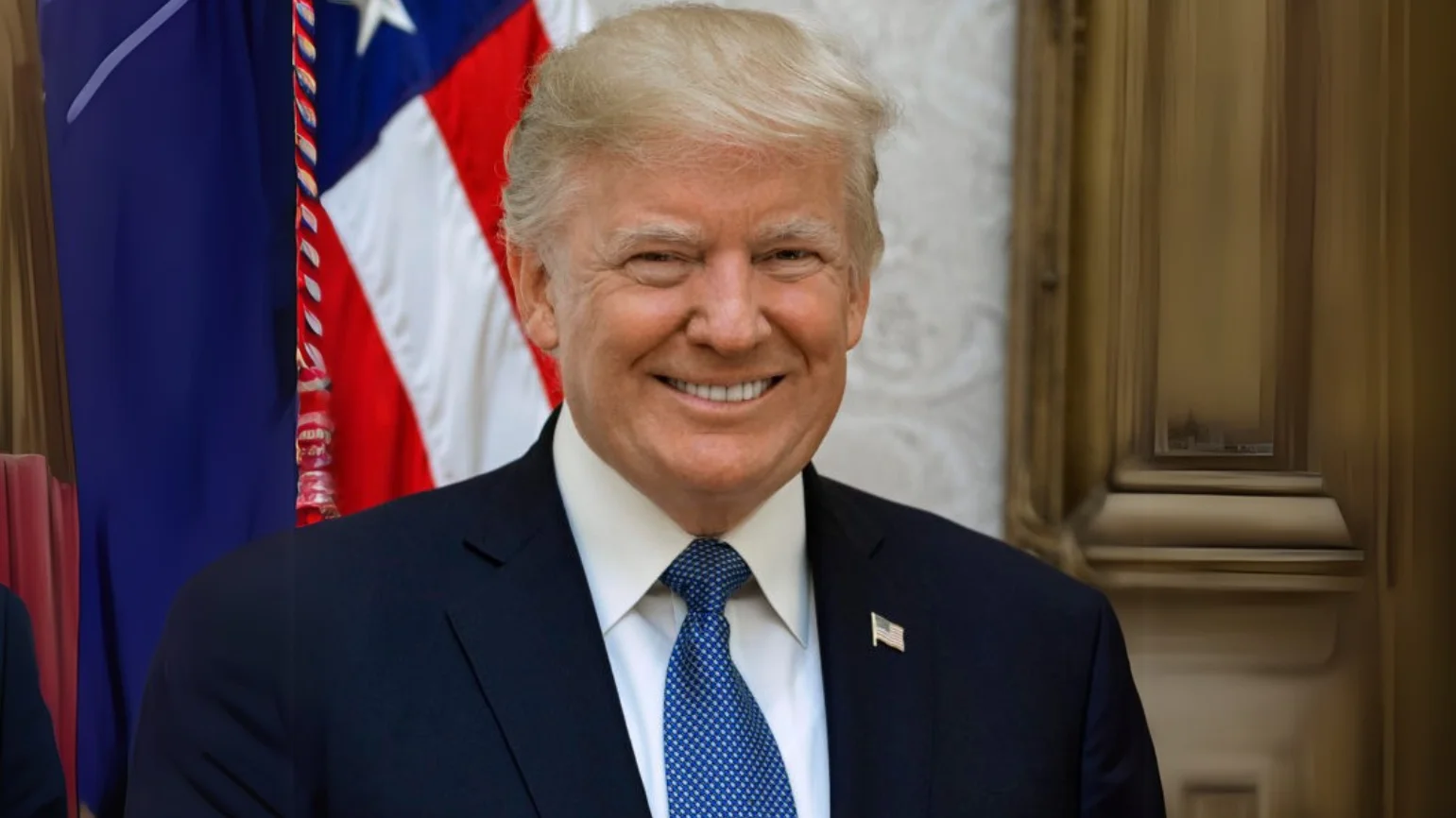
President Donald J. Trump has issued a proclamation establishing a temporary 10 percent ad valorem duty on most articles imported into the United States. The measure, which takes effect at 12:01 a.m. EST on February 24, 2026, is intended to address what the administration describes as "fundamental international payments problems" and significant balance-of-payments deficits.
The surcharge will apply to all imports except those specifically exempted in Annexes I and II of the proclamation. These annexes detail products not subject to the new duty rate. Imports already facing tariffs under section 232 will not be subject to this additional surcharge for the portion of goods covered by those tariffs; however, if only part of an import is covered by section 232 tariffs, the surcharge will apply to the remainder.
The proclamation clarifies that this surcharge is in addition to any existing duties or taxes on imported goods and will be treated as a regular customs duty for administrative purposes. It also sets out procedures for handling affected goods admitted into U.S. foreign trade zones after the effective date.
According to the text, “the modifications shall be effective with respect to goods entered for consumption, or withdrawn from warehouse for consumption, on or after 12:01 a.m. eastern standard time on February 24, 2026, and shall continue in effect through 12:01 a.m. eastern daylight time on July 24, 2026, unless the surcharge imposed in this proclamation is expressly suspended, modified, or terminated on an earlier date, or unless the effective period of such surcharge is extended by an Act of the Congress.”
Implementation responsibilities are assigned across executive departments and agencies. The United States Trade Representative (USTR) is tasked with monitoring conditions related to international payments issues and reporting circumstances that may require further action or adjustments to the policy.
The USTR will work with other officials including the Chair of the United States International Trade Commission and the Commissioner of U.S. Customs and Border Protection (CBP) to determine if further changes are needed in tariff schedules.
Any previous proclamations or executive orders inconsistent with this action are superseded where conflicts arise. The proclamation also contains severability provisions ensuring that even if exceptions are found invalid by courts or other authorities, remaining portions—including imposition of surcharges—will remain in force as needed to address ongoing balance-of-payments concerns.
President Trump stated: “This severability provision reflects my determination that the surcharge imposed in this proclamation should remain operative until July 24, 2026, in a way that is consistent with law...to deal with large and serious United States balance-of-payments deficits found in this proclamation.”
The full details regarding exemptions can be found within Annexes I and II referenced in the official document.