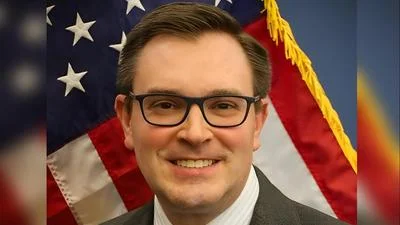
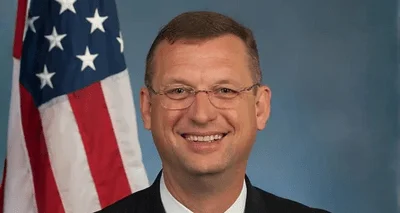
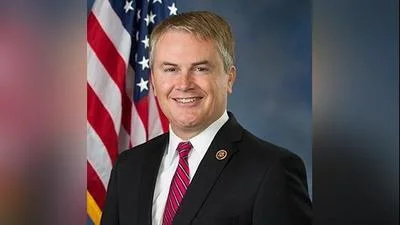
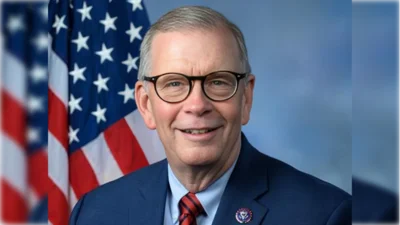
Congressman Brett Guthrie, Chairman of the House Committee on Energy and Commerce, along with Congressman John Joyce, M.D., Chairman of the Subcommittee on Oversight and Investigations, and Congressman Gary Palmer, Chairman of the Subcommittee on Environment, have sent a letter to David Gadis, CEO of DC Water. The letter requests information about the causes behind a recent sewage spill in the Potomac River and what actions are being taken to contain it.
The committee chairs expressed concern over potential impacts from the incident. “The Committee has concerns about how this incident will impact public health, safe drinking water, the environment, interstate commerce, and tourism, all of which fall within the Committee’s jurisdiction,” said Chairmen Guthrie, Joyce, and Palmer. “DC Water is responsible for delivering drinking water and wastewater services to communities in Maryland, Virginia, and the District of Columbia (DC), as well as the federal government, including operation and maintenance of the 54-mile Potomac Interceptor line. The Committee is requesting documents and information from DC Water about what is already being referred to as ‘one of the largest sewage spills in U.S. history.’”
A key section from their letter states: “Public health warnings have been given for people and pets to avoid contact with water from the Potomac River and to avoid fishing, rowing, and other activities in the area.The warnings to avoid the contaminated water come shortly before the annual Cherry Blossom Festival, which is centered around the Tidal Basin along the Potomac River, and the celebration of the 250th anniversary of the signing of the Declaration of Independence, both of which are expected to attract millions of visitors to the District of Columbia.
“An incident of this size and scale presents a significant threat to the public health and welfare of the affected communities, and swift mitigation of these risks is critical. Understanding the nature of how this incident occurred and how future incidents of this scale may be prevented in the future is imperative.”
Residents in Washington D.C., Virginia, and Maryland continue dealing with effects from a spill that happened on January 19, 2026. E. coli levels at that site now measure hundreds times above EPA safety standards.
The committee seeks information regarding DC Water's awareness prior to January about any risks leading up to this event. They also request documentation related to emergency contracting decisions for pipe repairs—why such contracts were deemed necessary but not implemented—and details on steps taken by DC Water after environmental damage occurred.
The House Energy and Commerce Committee addresses legislation involving energy policy, healthcare matters like pharmaceutical pricing control efforts or broadband expansion initiatives as outlined by its official website. The committee also oversees agencies such as Department of Energy or Health & Human Services while promoting bipartisan work on infrastructure projects or public health strategies (official website). Established in 1795 as one of Congress’ oldest standing committees (official website), it continues shaping major policies today.