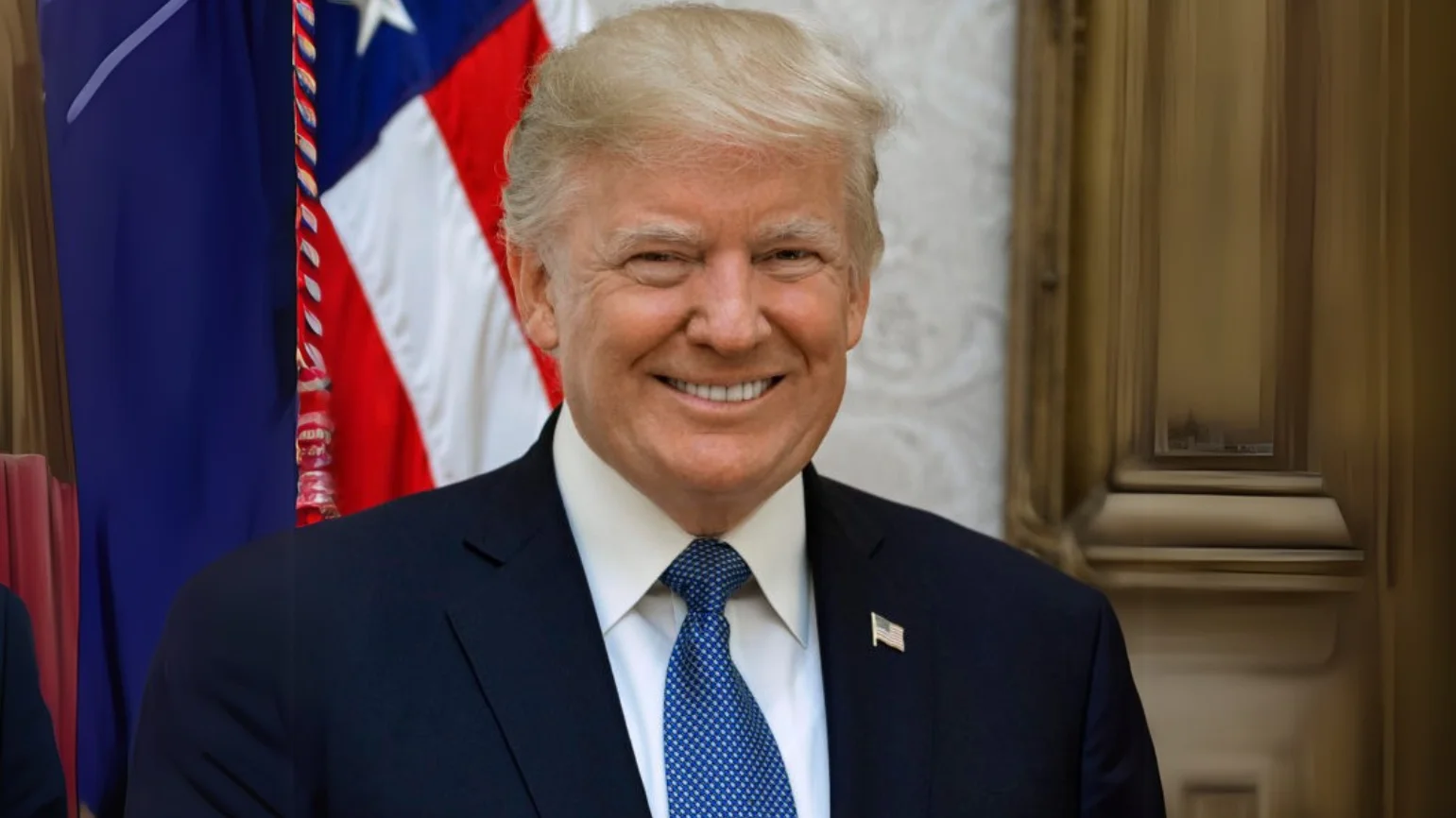
President Donald J. Trump has issued a proclamation designating February 22, 2026, as National Angel Family Day. The day is intended to honor Americans who have lost their lives due to crimes committed by undocumented immigrants and the ongoing drug crisis at the U.S. border.
Trump stated, "On National Angel Family Day, we remember and honor the thousands of American lives stolen from us by criminal illegal aliens and the deadly drugs they bring across our borders. We stand with the Angel Families, many of whom continue to be left without justice. And we recommit to carrying out the largest mass-deportation effort in our Nation’s history, getting the worst of the worst out of our country, and putting a stop to the violence targeting the brave men and women of law enforcement."
The President referenced several cases involving victims such as Laken Riley, Jocelyn Nungaray, Rachel Morin, Matthew Denice, Sarah Root, and Ivory Smith. He highlighted that these individuals were killed in incidents involving undocumented immigrants or drug-related events.
He recounted a letter received from a New York City police officer concerning Laken Riley's case: "After returning to office, I received a letter from a New York City police officer that filled the First Lady and me with tremendous sadness and anger. He wrote to the White House about one of the most unconscionable of these derelictions in recent memory — the murder of Laken Riley."
According to Trump’s statement, after being apprehended for crossing into the United States illegally in 2022, Jose Ibarra was released into the country under Biden Administration policies. Following subsequent arrests and releases by local authorities in New York City—described as a "sanctuary" jurisdiction—Ibarra later traveled to Georgia where he was charged with murdering Laken Riley.
Trump said that stories like this reinforce his administration's commitment to addressing illegal immigration: "Stories like this officer’s...strengthen my resolve to fix the illegal immigration crisis with ferocious energy."
The President noted legislative efforts taken during his current term. "As President, the first bill I signed into law was the Laken Riley Act," he said. This legislation requires detention and deportation for non-citizens convicted of crimes and allows states to sue federal officials over failure to enforce immigration laws.
Additional measures cited include declaring a national emergency at the southern border; reinstating policies requiring asylum seekers remain outside U.S. territory while claims are processed; deploying troops; designating cartels as foreign terrorist organizations; and authorizing targeted strikes against drug traffickers.
Trump described new legislation passed in July—referred to as “One Big Beautiful Bill”—as providing resources for increased personnel at Homeland Security agencies, construction of new border barriers, and expanded tools for law enforcement.
He reported that border security efforts have resulted in what he called historic lows for southwest border apprehensions: "The first quarter of fiscal year 2026 recorded the lowest numbers of southwest border apprehensions ever. Nationwide encounters are down 92 percent from the monthly average under the previous administration...there have been zero releases along the southwest border — zero."
The proclamation also calls on Congress to pass Kate’s Law—which would impose stronger penalties on those re-entering after deportation—and urges an end to sanctuary city policies shielding undocumented immigrants from federal authorities.
"A Nation without strong borders is not truly a Nation," Trump said in closing remarks. He called on Americans “to assemble in their respective places of worship” on February 22nd “to pay homage” both to victims killed by undocumented immigrants and those affected by fentanyl overdoses.