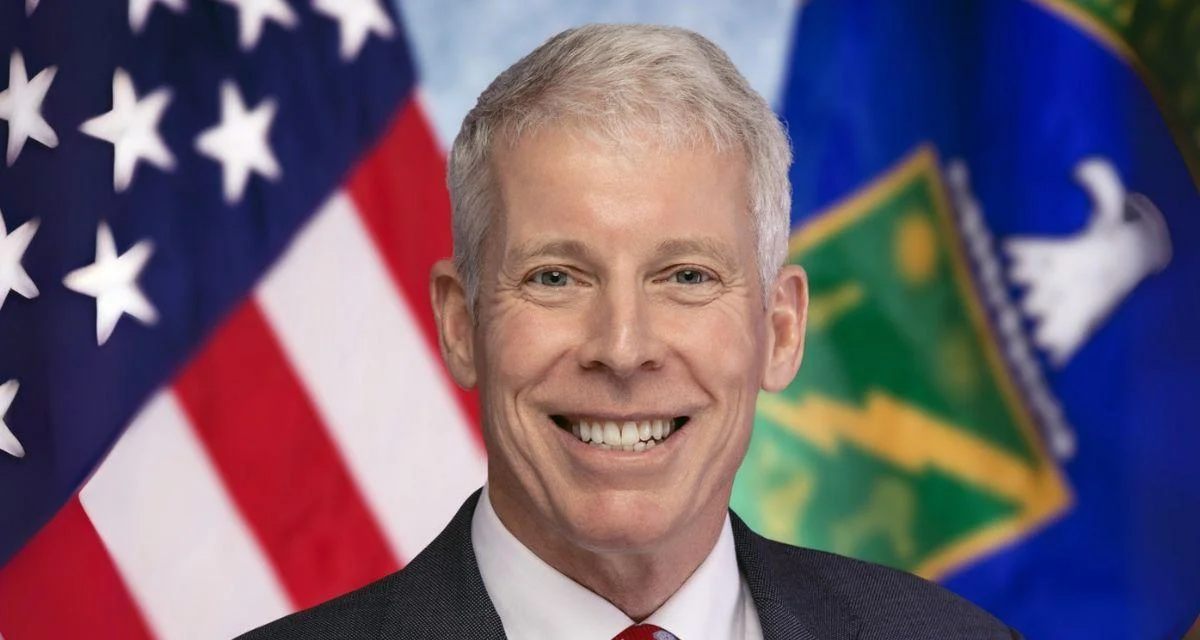
U.S. Secretary of Energy Chris Wright has issued an emergency order to address ongoing grid reliability concerns in the Mid-Atlantic region. The directive requires PJM Interconnection, L.L.C., working with Constellation Energy Corporation, to keep Units 3 and 4 at the Eddystone Generating Station in Pennsylvania operational beyond their planned shutdown date of May 31, 2025. The order also calls for economic dispatch to help reduce costs for consumers.
Secretary Wright explained the decision by stating: “The energy sources that perform when you need them most are inherently the most valuable—that's why natural gas and oil were valuable during recent winter storms. Hundreds of American lives have likely been saved because of President Trump’s actions keeping critical generation online, including this Pennsylvania generating station which ran during Winter Storm Fern. This emergency order will mitigate the risk of blackouts and maintain affordable, reliable, and secure electricity access across the region.”
During Winter Storm Fern from January 26-29, Eddystone Units 3 and 4 operated for more than 124 hours combined, helping stabilize the power grid during a period of high demand.
Recent analyses highlight potential risks if reliable power sources are retired too quickly. According to DOE’s Resource Adequacy Report, taking dependable generation offline could lead to a significant increase in power outages by 2030. Similarly, NERC’s 2025 Long-Term Reliability Assessment notes that moving toward more weather-dependent resources and reducing fuel diversity could raise the likelihood of supply shortfalls in winter months.
This is not the first such intervention regarding Eddystone Generating Station. Previous orders were issued on May 30, August 28, and November 26 of 2025 after it was determined that keeping these units available improved energy security in PJM’s territory—especially during heat waves last summer and again during Winter Storm Fern.
The current emergency order takes effect on February 24, 2026, and remains active through May 24, 2026.
The Department of Energy continues broader efforts to support grid resilience and clean energy initiatives nationwide. For example, a $225 million program funded by President Biden’s Bipartisan Infrastructure Law supports states in adopting updated building energy codes aimed at improving efficiency and resilience (https://www.energy.gov/articles/biden-harris-administration-launches-225-million-program-lower-utility-bills-through-more). Additionally, DOE has announced funding opportunities such as $96 million dedicated to advancing clean vehicle technologies (https://www.energy.gov/articles/doe-announces-96-million-advancing-clean-vehicle-technologies-reduce-carbon-emissions) as part of its push towards decarbonization.
DOE is also supporting over one hundred programs aligned with President Biden’s Justice40 Initiative to ensure federal investments benefit disadvantaged communities (https://www.energy.gov/articles/doe-announces-more-140-programs-supporting-president-bidens-justice40-initiative).
These measures reflect ongoing efforts at both federal and regional levels to balance reliability needs with long-term sustainability goals.