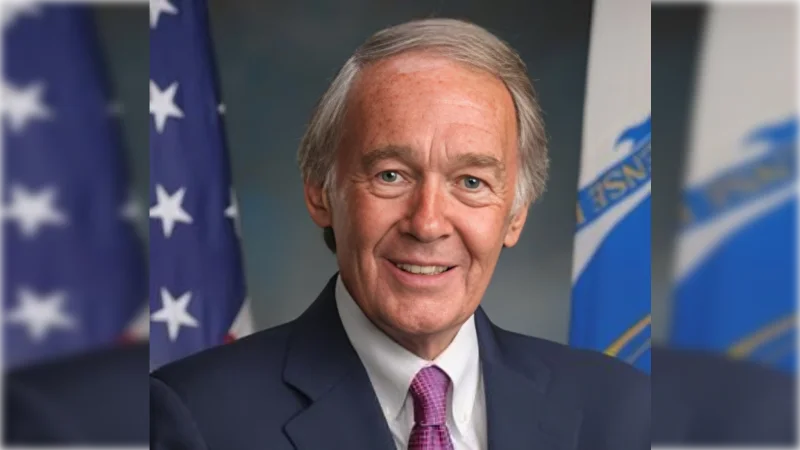
Ranking Member Edward J. Markey, House Small Business Committee Ranking Member Nydia Velázquez, Congressional Black Caucus Chair Yvette Clarke, Congressional Hispanic Caucus Chair Adriano Espaillat, and Congressional Asian Pacific American Caucus Chair Grace Meng have sent a letter to Small Business Administration (SBA) Administrator Kelly Loeffler criticizing the agency's new policy on small business loans. The policy requires that businesses seeking SBA loans must be 100 percent owned by U.S. citizens or nationals.
The SBA issued Policy Notice 5000-876441 on February 2, which prevents any U.S. small business with non-citizen ownership from participating in the agency's 7(a) and 504/CDC loan programs, even if those owners are lawfully present in the United States. A further Procedural Notice released on February 11 clarified these requirements. This is the fourth change in guidance regarding citizenship requirements since March 2025.
Markey and his colleagues stated that this policy would make it harder for small businesses to access capital at a time when they are already facing challenges due to Trump administration economic policies.
“At a time when President Donald Trump's tariff and trade policies are putting immense pressure on America's small businesses, the SBA should be focused on reducing barriers and helping more small businesses access these two important programs,” wrote the lawmakers.
They argued that there is no sound lending basis for the new citizenship requirement and warned of negative effects for both small businesses and their communities.
The lawmakers also expressed concern about increased compliance burdens for lenders who must now certify the citizenship status of all direct and indirect owners. They noted that these added costs could discourage lenders from working with businesses that have complex ownership structures, leading to reduced lending overall.
“We are deeply concerned that the SBA's unclear and shifting guidance will drive lenders and program participants to halt new originations under both programs to avoid liability, cutting off access to capital and destabilizing communities and local economies across the country,” continued the lawmakers.
The letter calls for the SBA to reverse its decision and work with Congress to improve access to capital for small businesses.
“Instead of denying more American small businesses access to necessary affordable capital, we should be working together to strengthen the SBA's capital access programs and increase financing opportunities for more small businesses in order to improve our local communities and national economy,” concluded the lawmakers.
Markey has previously advocated for immigrant entrepreneurs who depend on SBA loans. Earlier in February, Markey and Velázquez issued a statement condemning an earlier SBA move barring legal permanent residents from receiving loans. In December 2025, Markey and Senate Small Business Committee Democrats wrote another letter highlighting concerns about citizenship requirements after observing a decline in loan volume; they have not received a response from the SBA. In September 2025, Markey met with lenders about these issues, while in July 2025 he joined Velázquez in sending another letter expressing concerns over strict verification rules requiring full citizen or legal permanent resident ownership—a letter which also went unanswered by the agency.
The Senate Small Business and Entrepreneurship Committee plays a role in supporting informed decision-making on fiscal priorities for Congress through its oversight responsibilities as described on its official website. The committee provides comprehensive policy options related to federal budget components as well as nonpartisan budgetary analysis through oversight of agencies like the Congressional Budget Office (source). Established by legislation in 1974 (source), it contributes to congressional budgeting through resolutions and reconciliation instructions (source). Lindsey Graham currently serves as chairman of this committee while Jeff Merkley is ranking member (source).