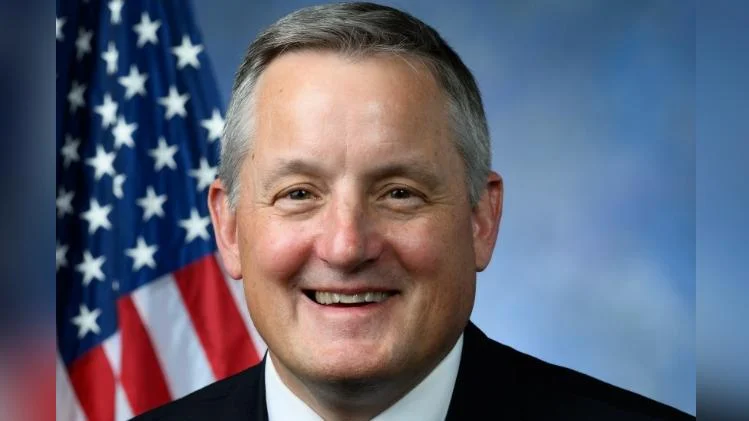
The Subcommittee on Water, Wildlife and Fisheries convened an oversight hearing to examine how delays in managing electricity rights-of-way on public lands are affecting electric utility ratepayers and public safety. The discussion centered on the challenges utilities face when attempting to remove hazard trees or replace aging infrastructure along nearly 90,000 miles of power lines that cross land overseen by the U.S. Forest Service and Bureau of Land Management.
Subcommittee Chair Harriet Hageman (R-Wyo.) addressed these issues, stating:
“Bureaucratic red tape puts our livelihoods and electric grid at risk. Nearly 90,000 miles of power lines cross lands managed by the U.S. Forest Service and Bureau of Land Management, yet utilities face years of delays to remove hazard trees or replace aging poles. Inconsistent and drawn out permitting drives up electric bills and leaves communities vulnerable to catastrophic wildfire.
“The House passed the Fix Our Forests Act to restore healthy forests, strengthen collaboration between federal agencies and utilities and give utilities greater flexibility to manage threats to public safety and electric grid reliability. The Natural Resources Committee is committed to restoring healthy forests, improving coordination on rights-of-way and ensuring Americans have reliable power.”
Currently, electric utility customers are responsible for the costs associated with operating, maintaining, and repairing electricity lines that run through rights-of-way on federal land. However, inconsistent policies for permitting and approvals have made it difficult for utilities to perform necessary work efficiently. These administrative obstacles can increase expenses for ratepayers while also raising risks related to wildfires.
The House of Representatives approved Chairman Bruce Westerman’s (R-Ark.) bipartisan Fix Our Forests Act in January 2025 as a measure aimed at restoring forest health, enhancing cooperation between federal agencies and utility companies, and equipping utilities with better tools to address threats both to grid reliability and public safety. Supporters argue that Senate action is now needed so these changes can be implemented.
For more information on the hearing, click here.