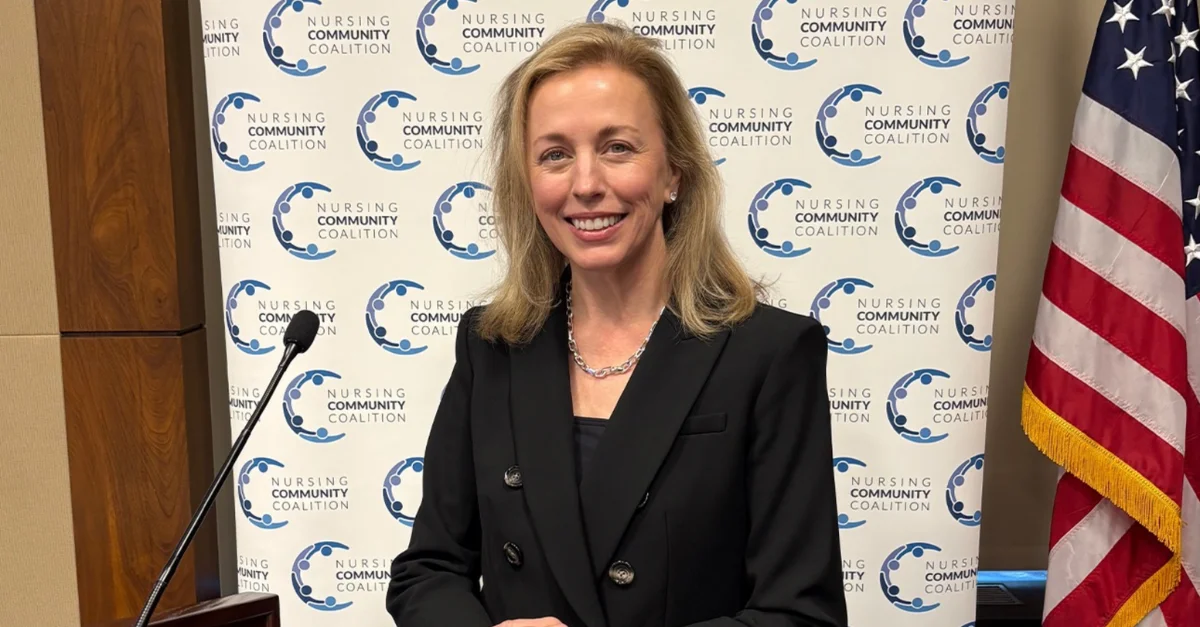
A proposed federal student loan rule could reduce the number of nurse practitioners entering the workforce and limit patient access to care, said the president of the American Association of Nurse Practitioners (AANP).
The proposed rule would cap federal borrowing for graduate students and eliminate a loan program many nursing students rely on to cover the full cost of education, changes AANP President Dr. Valerie Fuller said could discourage enrollment in advanced nursing programs.
“With fewer healthcare providers, you’re going to have longer wait times to see a primary care provider,” Fuller said on the Health Policy Podcast. “People are waiting months and months and months to find one. Patients will have less access to specialty care services and less mental health services, which we desperately need in this country.”
The proposal, which would take effect July 1, 2026, would cap federal graduate student borrowing at $20,500 annually and $100,000 total while eliminating the Graduate PLUS loan program. Programs classified as “professional degrees” could qualify for up to $50,000 per year and $200,000 overall, but graduate nursing programs are not included in that category.
Fuller said the financial limits could affect the pipeline of advanced practice nurses at a time when provider shortages persist nationwide.
“More than 80,000 qualified nursing students were turned away from nursing programs because of a lack of faculty,” Fuller said. “We already have a shortage of faculty. We’re going to really kink the pipeline at a time in our nation’s history when we have a shortage of healthcare providers.”
Advanced practice nurses, including nurse practitioners, complete graduate-level education and clinical training to diagnose conditions, prescribe treatment, and provide primary and specialty care. Workforce experts warn that restricting federal loan access could push students toward private borrowing or delay enrollment, affecting the pace at which new providers enter the healthcare system.
Fuller has more than two decades of experience as an advanced practice clinician and over 30 years in nursing. She holds doctoral degrees in nursing, maintains dual certifications as a family and acute care nurse practitioner, and has worked across primary, acute, and specialty care settings.
AANP is the largest professional organization representing nurse practitioners in the United States, advocating on workforce, education, and healthcare policy issues affecting advanced practice nurses and patient access to care nationwide.