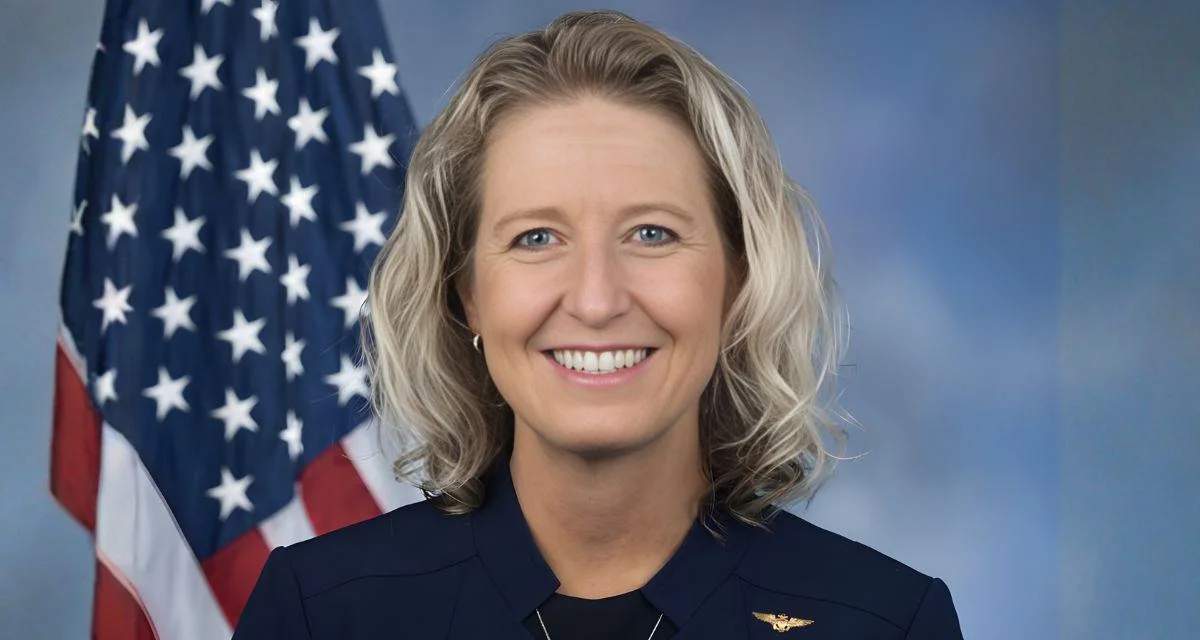
Rep. Jen Kiggans, Chairwoman of the House Committee on Veterans’ Affairs Subcommittee on Oversight and Investigations, opened a hearing today to review the Department of Veterans Affairs' (VA) progress in implementing the Senator Elizabeth Dole 21st Century Veterans Healthcare and Benefits Improvement Act. The Dole Act, signed into law in 2025, aims to modernize VA healthcare delivery, expand support for caregivers, improve access to education and job training, and provide more in-home care options for aging veterans.
Kiggans highlighted that while some benefits from the legislation are being felt by veterans and their caregivers, there is concern over delays in fulfilling all provisions of the law. "Today’s hearing is about oversight, accountability, and ensuring that the promises Congress made to veterans, caregivers, and their families are fully realized," she said.
She emphasized bipartisan support for the Dole Act: "This was a sweeping, bipartisan, bicameral package negotiated and supported by members in both the House and Senate, Democrats and Republicans alike, united by a shared commitment to those who served."
The COPE Act provision within the Dole Act was intended to establish grants for mental health care for family caregivers. Kiggans noted its importance: "Family caregivers are the backbone of our long-term care system, often sacrificing careers, financial stability, and their own health to support their loved ones."
However, Kiggans expressed disappointment with VA's progress. "But to my dismay, it appears that VA has not followed the Congressional intent of the COPE Act, and...has not followed many other provisions within the Dole Act," she stated. She called on VA officials to fulfill all statutory promises: "Failure to carry out the will of Congress is unacceptable...Passing a bill and having it signed into law is only one part of our job."
Kiggans reported that out of 72 sections in the act enacted over a year ago, 55 remain in progress. While VA claims most sections will be implemented within required timeframes, some key programs face expiration soon without full implementation—such as Section 106 on dental care access set to end January 2027 after just one phase launched so far; Section 143 on ambulance costs for rural veterans expiring September this year remains incomplete.
Other programs like VET-TEC—which provides short-term training for high-tech jobs—are behind schedule or at risk.
"These are not minor provisions. These are real benefits affecting real veterans — access to dental care, emergency transportation in rural communities...When implementation lags...veterans are the ones who pay the price," Kiggans warned.
She closed by stressing oversight as a constitutional obligation: "Oversight is not optional — it is a constitutional obligation. And today’s hearing is about making sure this landmark law does not fall short in execution." She called for concrete timelines from VA witnesses regarding implementation steps moving forward.