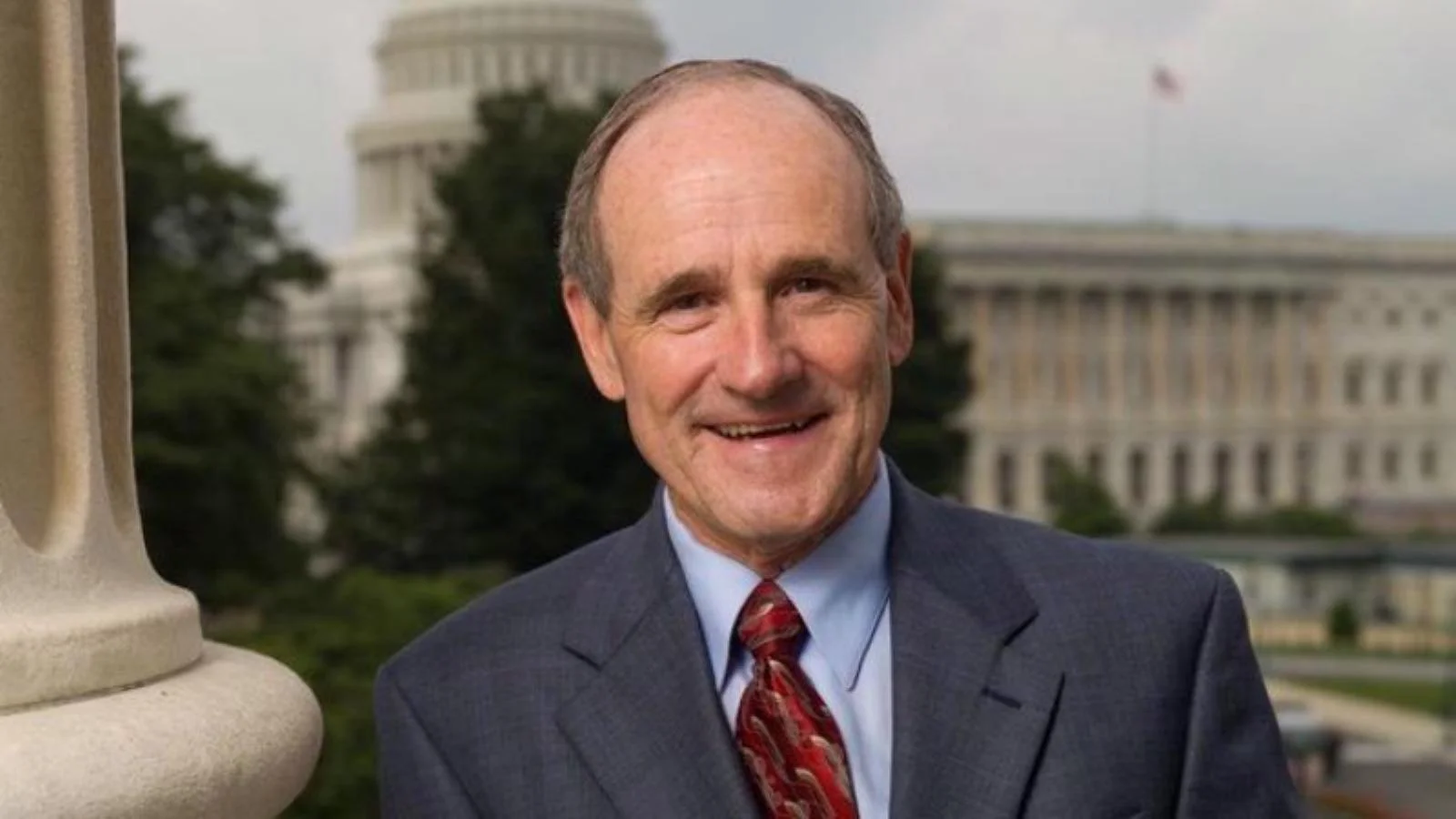
U.S. Senator Jim Risch, chairman of the Senate Foreign Relations Committee, released a statement on March 9 to mark U.S. Hostage and Wrongful Detainee Day.
The day serves as a reminder of Americans held hostage or wrongfully detained abroad and highlights ongoing efforts to bring them home. The issue remains significant for families affected by these detentions and for policymakers focused on protecting U.S. citizens overseas.
“Today and every day, we remember Americans held hostage or wrongfully detained around the globe, the pain of their families, and the bright futures that have been forever changed. Protecting Idahoans and all Americans from wrongful detention is one of my top priorities, and fortunately, we now have an Administration that shares that sentiment. President Trump has brought over 175 people home since the start of the Administration, Secretary Rubio has prioritized the return of Americans from every corner of the world, and the State Department recently designated Iran as the first State Sponsor of Wrongful Detention—rightfully so,” Risch said.
He continued: “While Iran may be the first such designation, it will not be the last. Other countries like Afghanistan and Russia are on notice: taking Americans hostage is a red line for President Donald Trump. I’m proud to have passed the Countering Wrongful Detention Act to lay the groundwork for this designation and future designations to come.”
Risch also referenced Bob Levinson’s disappearance in Iran: “March 9th is the anniversary of Bob Levinson’s disappearance in Iran. We will never forget Bob, the namesake of the Levinson Act that underwrites our work on this issue, and we will never stop working to bring him home. Today is a reminder of the historic success we’ve achieved, but until every American hostage or wrongful detainee has been returned to their loved ones, there will always be more work to do. May God bless the victims of these heinous crimes.”
The Senate Foreign Relations Committee plays a central role in shaping U.S. foreign policy through its examination of treaties and legislation according to its official website. The committee was established in 1816 as one of the original standing committees in the Senate according to its official website. Its leadership structure includes a Chairman who leads majority members and a Ranking Member who heads minority members as detailed on its official website.
Historically, it has influenced major foreign policy decisions such as supporting measures like the Truman Doctrine in 1947 and Marshall Plan in 1948 per its official website, as well as rejecting treaties like Versailles in 1919 and 1920 as noted on its official website. The committee continues today as a legislative body focused on international relations within U.S. government according to its official website.