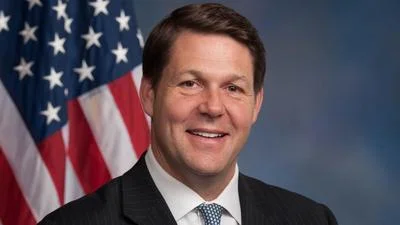
Congressman Brett Guthrie, Chairman of the House Committee on Energy and Commerce, and Congressman John Joyce, Chairman of the Subcommittee on Oversight and Investigations, announced on Mar. 10 a hearing focused on efforts to combat fraud in Medicare and Medicaid programs.
The upcoming hearing aims to address concerns about waste, fraud, and abuse within these federal health care programs. The committee will hear from representatives of the Centers for Medicare and Medicaid Services (CMS) regarding their strategies to protect patients and safeguard taxpayer dollars.
"Last month, the Oversight and Investigations Subcommittee held a hearing where we heard from experts about common fraud schemes in Medicare and Medicaid and discussed programs that are particularly vulnerable to fraud. At the start of this month, the Committee expanded our ongoing investigation into Medicaid fraud by sending ten additional letters to states across the country to better understand how states are safeguarding Medicaid programs," said Guthrie and Joyce. "This hearing will continue our work to root out waste, fraud, and abuse in Medicare and Medicaid. We look forward to hearing from the Centers for Medicare and Medicaid Services about its efforts toward that shared goal."
The hearing is scheduled for Tuesday, March 17 at 2:00 PM ET in Room 2123 of the Rayburn House Office Building. It will be open to both the public and press, with a livestream available online at energycommerce.house.gov.
The House Energy and Commerce Committee focuses on legislation concerning energy, health care, environmental protection, telecommunications, and consumer issues according to the official website. The committee has influenced policy in areas such as energy innovation, broadband deployment, and pharmaceutical pricing according to its official website. As one of the oldest standing committees in the U.S. House of Representatives according to its official website, it traces its origins back to 1795 when it was formed as the Committee on Commerce and Manufactures according to its official website.
Observers expect that this continued focus may lead to further oversight actions or legislative proposals aimed at reducing fraudulent activities within federal health care programs.