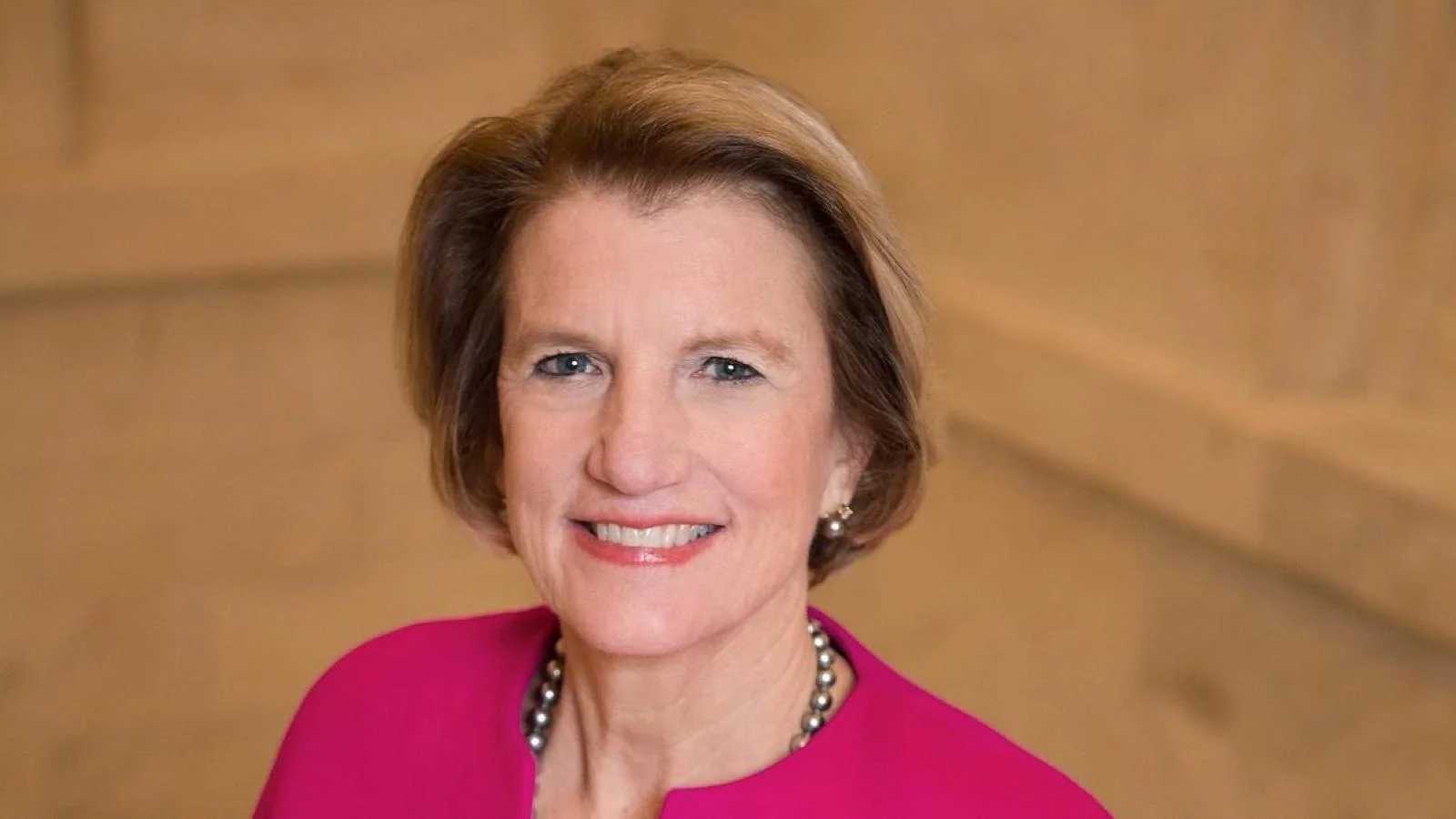
U.S. Senator Shelley Moore Capito, Chairman of the Senate Environment and Public Works Committee, led a hearing on March 11 to discuss S. 3135, the Cold Weather Diesel Reliability Act.
The hearing focused on how diesel engine derates—automatic reductions in engine power due to emissions controls—can affect public safety in cold-weather regions and impact agricultural operations. The issue is significant because reliable transportation is critical for both emergency response and farming activities in rural areas.
During the session, Capito asked Ryan Anderson, Commissioner at the Alaska Department of Transportation and Public Facilities, about the unique challenges faced in Alaska when diesel engines lose power during severe weather events. Anderson said, “I’ll use an example just from last night. We got informed last night that the Dalton Highway, north of the Arctic Circle, closed again because of a powerful storm, wind, snow, and it’ll be closed for probably well over 24 hours […]. So, our crews immediately go to work... The real difference here is that what we have, and the resources that we have to work with for an event that happens... When we have equipment fail, there’s a cascading impact across the state, across all of those industries, and the public.”
Anderson also addressed concerns from various sectors: “Absolutely. […] As […] the Cold Weather Diesel [Reliability] Act has become more known in Alaska, we’ve had enormous amounts of people reach out. […] We’re making significant investments in our older vehicles because we don’t want to move forward with the newer vehicles. We’ve had fire departments come forward... The school bus companies have come forward. They’re concerned... And so, it really has been just across the board.” He confirmed that personal vehicles powered by diesel are also affected: “Senator, that’s correct... It’s happening to people all across Alaska.”
Capito then questioned Todd Fornstrom, President of the Wyoming Farm Bureau Federation, about impacts on farmers’ decisions regarding equipment purchases. Fornstrom said: “[…] I was at an auction looking for a piece of equipment... And he was like, ‘well, you don’t want this one because if it goes into the derate mode... you won’t be able to run your grain cart like you’re wanting to.’ And that just halts harvest to a stop... They’re choosing not to buy newer equipment.”
The Senate Environment and Public Works Committee maintains its administrative base in the Senate Dirksen Office Building to support hearings and operations according to its official website. The committee oversees federal programs related to environmental quality as well as natural resources and infrastructure according to its official website. Capito chairs this committee alongside members such as Kevin Cramer and Cynthia Lummis according to its official website.
The committee handles legislation affecting environmental and infrastructure matters nationwide according to its official website, influences federal policy on regulations including wildlife protection according to its official website, and collaborates through subcommittees focused on clean air and transportation infrastructure according to its official website.
As lawmakers continue examining S. 3135's implications for cold-weather states and agricultural communities nationwide, further testimony may shape future legislative action.