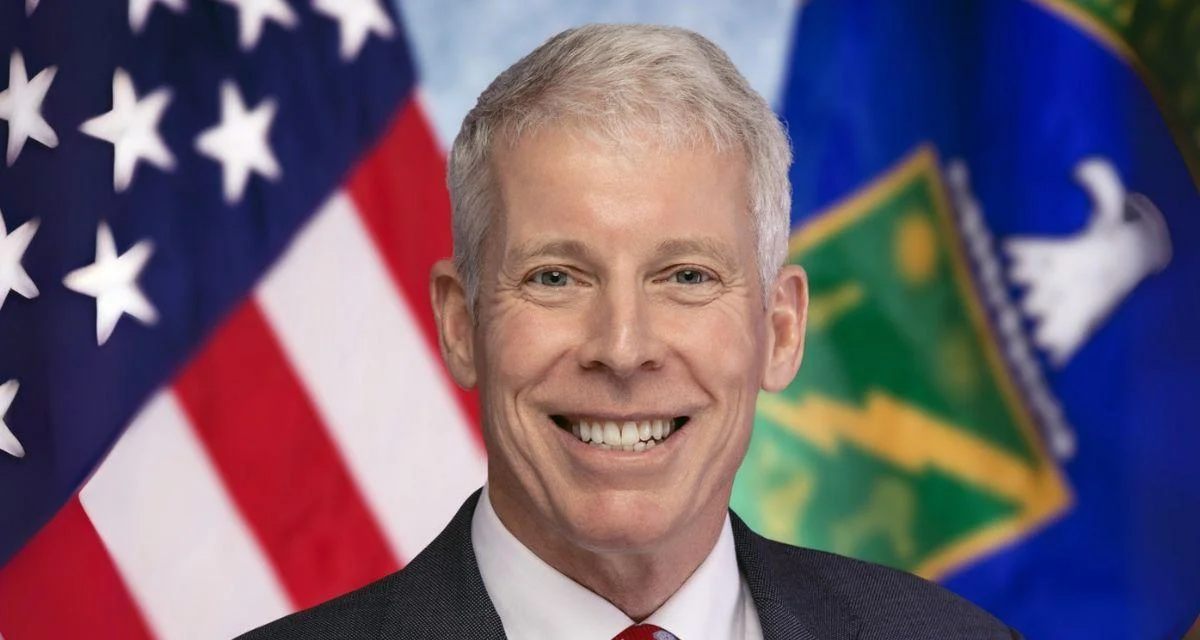
U.S. Secretary of Energy Chris Wright announced on Mar. 11 that the United States will release 172 million barrels of oil from the Strategic Petroleum Reserve, following a unanimous decision by 32 member nations of the International Energy Agency to coordinate a global release of 400 million barrels of oil and refined products.
The move is intended to lower energy prices and strengthen energy security in response to international concerns. The coordinated action comes after President Trump requested support from IEA members, with the U.S. Department of Energy set to begin deliveries next week over an estimated period of 120 days.
Wright said, “Earlier today, 32 member nations of the International Energy Agency unanimously agreed to President Trump’s request to lower energy prices with a coordinated release of 400 million barrels of oil and refined products from their respective reserves.” He continued, “As part of this effort, President Trump authorized the Department of Energy to release 172 million barrels from the Strategic Petroleum Reserve, beginning next week. This will take approximately 120 days to deliver based on planned discharge rates.”
Wright also addressed future plans for replenishing reserves: “Unlike the previous administration, which left America’s oil reserves drained and damaged, the United States has arranged to more than replace these strategic reserves with approximately 200 million barrels within the next year—20% more barrels than will be drawn down—and at no cost to the taxpayer.” He added that this action demonstrates President Trump's commitment "to protect America’s energy security by managing the Strategic Petroleum Reserve responsibly." Wright further stated, “Rest assured, America’s energy security is as strong as ever.”
Recent initiatives by the Department of Energy include a $225 million program funded by President Biden’s Bipartisan Infrastructure Law aimed at implementing updated building energy codes according to an announcement. In addition, Secretary Jennifer Granholm encouraged international cooperation on clean energy during a video message inviting participation in last year's Global Clean Energy Action Forum as seen in a DOE video.
Technology development remains important for environmental management missions at national laboratories such as Savannah River National Laboratory according to testimony before Congress. At Savannah River Site, innovative passive processes are being used for groundwater cleanup projects as reported by DOE Office of Environmental Management.
The Department has also announced $96 million in funding opportunities for advancing clean vehicle technologies and reducing carbon emissions in transportation according to DOE. Furthermore, there are now over 140 programs supporting President Biden's Justice40 Initiative aimed at delivering clean energy investments to disadvantaged communities as detailed by DOE.
The broader implications include ongoing efforts by federal agencies both to ensure immediate stability in global oil markets and pursue long-term strategies for resilient and sustainable energy systems.