The Texas Transportation Commission approved $160.4 million in state funds on Mar. 12 for rail grade separation projects across Texas, aiming to improve safety, reduce congestion, and support economic development in areas with significant rail activity.
The funding comes from the Off System Rail Grade Separation State Fund Program, which was established by the 2025 Texas Legislature to help local governments eliminate at-grade crossings and enhance emergency response times. The program is designed to make freight networks more efficient and resilient.
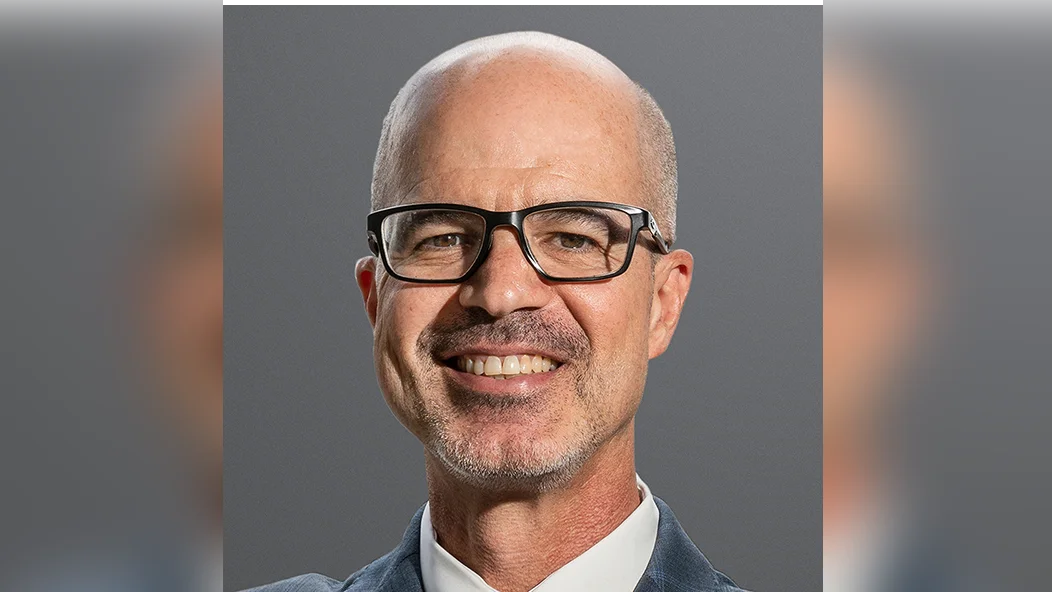
"By removing any interaction between trains and traffic on the road, we can help save lives, reduce delays and strengthen the economic competitiveness of our communities," said Marc Williams, Executive Director of the Texas Department of Transportation (TxDOT). "We deeply appreciate the Texas Legislature for establishing and funding the Off System Grade Separation Program. Their leadership and investment make it possible for communities across the state to address long standing rail-roadway conflicts and build safer, more resilient transportation networks."
Five projects in Amarillo, Laredo, San Antonio, and Houston will receive grants through this program. The specific projects include BNSF crossings at NE 24th Avenue in Potter County ($20.3 million grant) and S. Georgia Street in Randall County ($36.7 million), Griggs–Long–Mykawa Grade Separation in Houston ($40 million), CPKC Santa Maria Boulevard Grade Separation in Laredo ($58.5 million), and UPRR Crossing at Zarzamora Street/Frio City Road in San Antonio ($5 million).
In addition to these awards, the Commission reserved $89.6 million as matching funds to leverage potential federal grant opportunities. The Commission retains discretion over how these reserved funds will be allocated after federal decisions are made.
The Texas Department of Transportation supports economic activity and community connectivity by maintaining and expanding transportation infrastructure throughout the state according to its official website. TxDOT manages an extensive network that includes highways, thousands of traffic signals, general aviation airports, and handles about 556.9 million vehicle-miles traveled daily as reported by TxDOT. The agency operates under governance from the Texas Transportation Commission—which appoints an executive director—and aims to link Texans for mobility while fostering economic opportunities statewide according to TxDOT.
TxDOT's multimodal network extends across both urban centers and rural regions per its official website, supporting efforts like these new grade separation projects that seek to improve quality of life for residents.