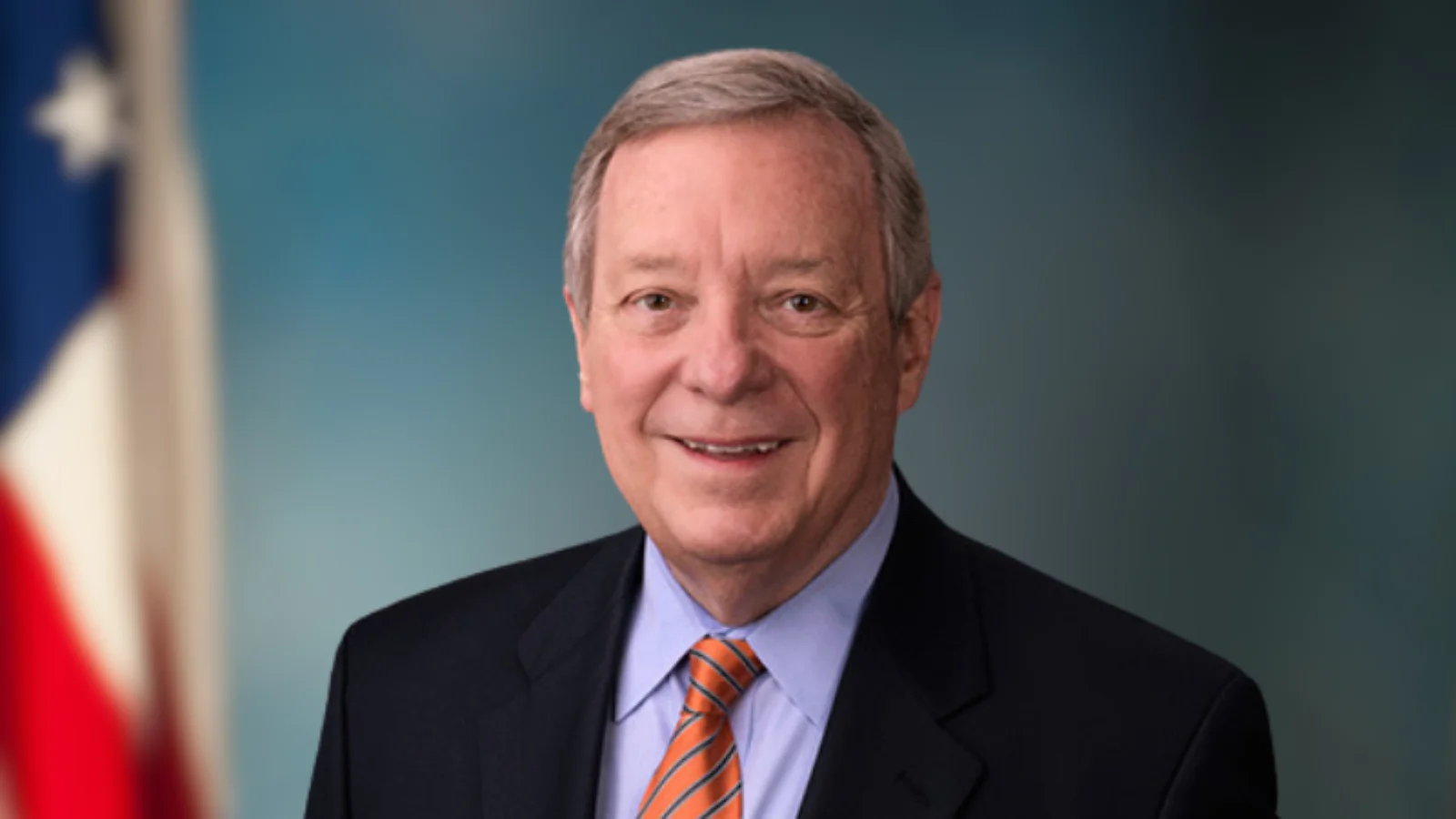
U.S. Senate Democratic Whip Dick Durbin, Ranking Member of the Senate Judiciary Committee, called on Mar. 12 for significant reforms to Section 702 of the Foreign Intelligence Surveillance Act (FISA), which is set to expire next month. Durbin delivered his remarks on the Senate floor, urging Congress to address what he described as a "fatal flaw" in the law that allows warrantless surveillance of Americans.
Section 702 was originally enacted as a temporary measure after revelations about a secret warrantless surveillance program following the September 11 attacks. While it is intended for collecting intelligence on foreigners abroad, Durbin said it has also enabled government agencies to access Americans' private communications without a warrant. “Like so many expansive government powers that are adopted during times of emergency, this authority has now become a fixture of our surveillance architecture. When it comes to collecting intelligence on foreigners located abroad, the value of this tool is not in serious dispute,” Durbin said. “But there is a fatal flaw at the core of Section 702: this authority is also used for warrantless spying on innocent Americans.”
Durbin explained that emails, phone calls, and text messages between Americans and contacts overseas are swept up under Section 702 and can be searched by the government without court approval. He said past attempts at reform have failed to close this loophole: “Congress has repeatedly failed to fix this end run around the Constitution. As a result, for years, the intelligence community has abused Section 702 to spy on business and religious leaders, political parties, campaign donors, journalists, and protestors across the political spectrum.”
In 2024, Congress passed new reforms through the Reforming Intelligence and Securing America Act but did not require warrants for searches involving Americans’ communications. The law also expanded Section 702’s scope to include counternarcotics and immigration vetting and required more American businesses to participate in surveillance activities—a move Durbin opposed.
Durbin highlighted bipartisan efforts with Senator Mike Lee through reintroduction of the Security and Freedom Enhancement (SAFE) Act. “Our bill preserves the core value of [Section] 702 as a foreign intelligence collection tool, while preventing the government from using it to target the constitutionally protected communications of Americans unless they get court approval,” Durbin said.
The SAFE Act would also prevent agencies such as ICE or FBI from obtaining sensitive location data or personal details from data brokers without judicial oversight—a practice currently possible due to gaps in existing laws.
The Senate Judiciary Committee plays an important role in shaping constitutional protections and public safety nationwide through its legislative and oversight duties according to its official website. The committee reviews legislation related to civil rights and oversees federal law enforcement according to its official website. It is led by a chairperson who manages hearings attended by senators from both major parties according to its official website.
As debate continues over FISA’s future, Durbin concluded his remarks by saying: “Enough is enough. There is no excuse for ramming through an extension of Section 702 at the last minute without regular order… The American people deserve better from their representatives. We can, and we should, protect the American people from threats to their security and threats to their civil liberties.”
The outcome of these discussions could influence how federal agencies balance national security needs with constitutional rights moving forward.