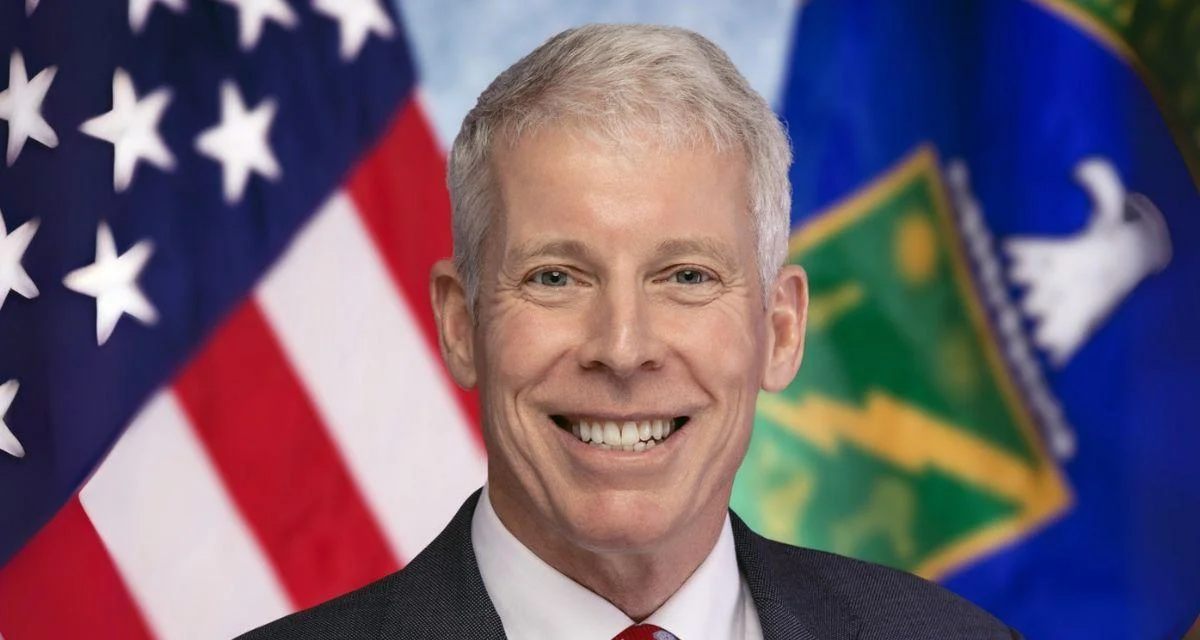
The U.S. Department of Energy announced on Mar. 16 that Secretary of Energy Chris Wright has issued an emergency order requiring TransAlta to keep Unit 2 of the Centralia Generating Station in Washington available for operation, reversing its planned shutdown at the end of 2025. The decision aims to ensure affordable, reliable, and secure electricity for residents in the Northwestern United States and to address concerns about potential blackouts.
The move is intended to maintain grid stability across the region by keeping a major source of power online. According to the Department of Energy’s Resource Adequacy Report, there was a risk that blackouts could increase significantly by 2030 if reliable power sources were taken offline as previously planned during the Biden administration.
"The last administration’s energy subtraction policies had the United States on track to likely experience significantly more blackouts in the coming years — thankfully, President Trump won’t let that happen," said Secretary Wright. "The Trump administration will continue taking action to keep America’s coal plants running so we can stop the price spikes and ensure we don’t lose critical generation sources. Americans deserve access to affordable, reliable, and secure energy to power their homes all the time, regardless of whether the wind is blowing or the sun is shining."
The emergency order will be effective from March 17 through June 14, 2026. This follows a previous directive issued by Secretary Wright on December 16, 2025, also aimed at keeping Unit 2 (729.9 MW) operational.
While this policy marks a shift from recent federal efforts focused on clean energy and decarbonization—such as the $225 million Building Energy Codes program funded by President Biden’s Bipartisan Infrastructure Law—it underscores ongoing debates over how best to balance reliability with environmental goals. Other recent initiatives include calls for international cooperation on clean energy transitions, testimony before Congress highlighting technology development for cleanup missions, innovative groundwater remediation using passive energy processes at former coal sites, funding opportunities for clean vehicle technologies, and programs supporting investments in disadvantaged communities under President Biden's Justice40 Initiative.
As national policy continues to evolve between priorities for reliability and clean energy investment, observers will watch how this emergency order affects both regional electricity supply and broader U.S. energy strategy.