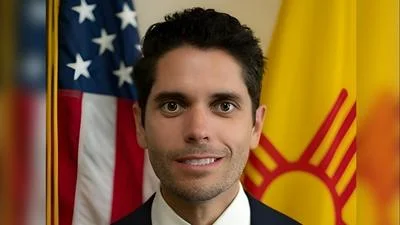
The U.S. Environmental Protection Agency announced that it will take over water quality sampling near the Potomac Interceptor site, following a recent collapse of the sanitary sewer line.
According to EPA Senior Response Officer and Assistant Administrator for Water Jess Kramer, "Since President Trump immediately granted DC’s request for federal assistance responding to the sewage crisis at the Potomac Interceptor site, EPA has led a successful, coordinated federal effort. EPA taking over the daily water sampling is the next step in that coordinated federal response. We will provide accurate, timely results to the public and continue working to ensure that repairs and remediation occur as quickly as possible."
The agency said it will use the same locations previously monitored by the DC Department of Energy and Environment. Sampling will be conducted daily, with analysis performed at EPA’s Environmental Science Center in Fort Meade, Maryland. Results will be evaluated and posted publicly on DOEE’s Potomac Interceptor Monitoring webpage about three days after each sample is collected.
In addition to water quality monitoring, EPA said that it and its federal partners are providing stormwater diversion infrastructure, site remediation work, and technical assistance at the site.
The Potomac Interceptor conveys up to 60 million gallons of wastewater per day from parts of Virginia and Maryland to DC Water’s Blue Plains Advanced Wastewater Treatment Plant. The collapse occurred late Monday, January 19, 2026, causing hundreds of millions of gallons of untreated sewage to escape into the nearby Potomac River. On January 25, DC Water activated a controlled bypass system using part of the C&O Canal to contain further contamination by redirecting flow back into an undamaged section for treatment.
There has been no impact on drinking water supplies according to operators of the Washington Aqueduct; any overflow occurred downstream from its primary intake facility. More information can be found on the official roster page.