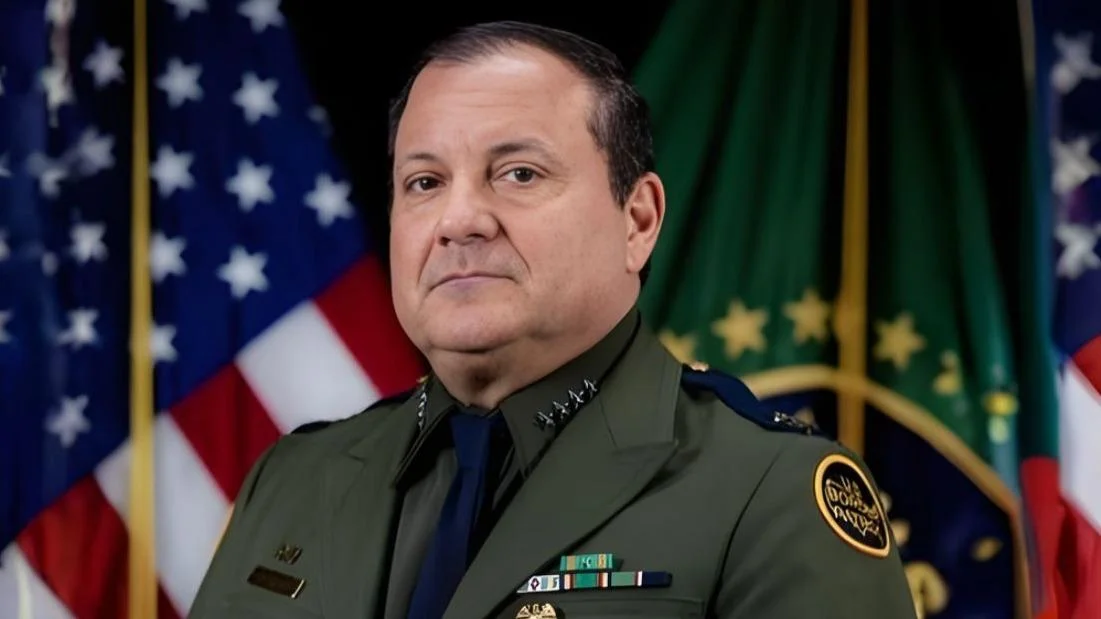
Chief Michael W. Banks, who serves as Chief Patrol Agent for the U.S. Border Patrol Rio Grande Valley Sector, has recently shared updates on drug and human smuggling interdictions at immigration checkpoints in Texas through his official social media account.
On April 10, 2026, Banks reported a narcotics seizure at a checkpoint: "Smugglers Caught Red-Handed at Falfurrias Checkpoint At the Falfurrias immigration checkpoint, agents intercepted a hidden load of approximately 37 lbs. of cocaine and took two individuals into custody on federal charges, thanks to the efforts of a hard-working K9."
Later that day, he highlighted the role of canine teams in border security operations: "Four legs. One mission. Border Patrol K9 teams are built for the front line - detecting concealed humans and narcotics with speed, precision, and relentless focus. More than partners, they are a decisive edge in securing the border and protecting our communities. Train" (April 10, 2026).
On April 11, 2026, Banks described another incident involving human smuggling: "Smugglers are getting desperate and more reckless, putting lives at serious risk. A K-9 alert exposed a dangerous human smuggling tactic at the USBP Immigration Checkpoint in Laredo, TX, two illegal aliens hidden inside a fuel storage tank that was fastened to the truck bed with".
The Rio Grande Valley Sector is one of nine sectors along the southern U.S. border overseen by U.S. Customs and Border Protection (CBP). These checkpoints are part of CBP's layered enforcement strategy to interdict illicit activity away from the immediate border area.
Canine units play an essential role in these operations by detecting both drugs and concealed individuals during vehicle inspections. Their training allows them to identify substances or people that may otherwise go undetected by standard inspection methods.
These recent incidents underscore ongoing challenges faced by law enforcement along the southern border as smugglers employ increasingly risky tactics to evade detection.