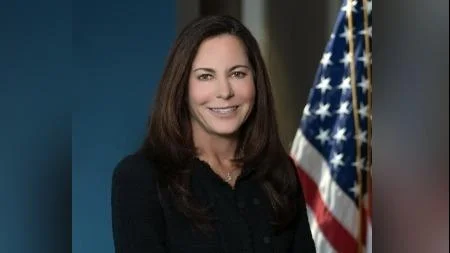
Leah B. Foley United States Attorney for the District of Massachusetts | Department of Justice
A Brockton man was charged in federal court in Boston on April 9 for allegedly making false statements to law enforcement about the disposal of more than 20 firearms he purchased, over a dozen of which were later found at crime scenes across the Northeast, including a homicide in Boston.
The case involves concerns about how legally purchased firearms may end up being used in criminal activity. The authorities say tracking these weapons is important for public safety and ongoing investigations.
According to charging documents, Klordenzsky Senecharles, 29, bought a total of 28 firearms between March 2020 and May 2021 and sold four of them. Of the remaining guns registered to him, law enforcement alleges that thirteen were recovered during criminal investigations, including one tied to a homicide on February 26 in Boston. When questioned by police about the whereabouts of his remaining guns, Senecharles reportedly claimed he had sold twenty-one of them to licensed Massachusetts gun dealers. However, those dealers told authorities they had no record of such transactions.
Senecharles was arrested and released on conditions after an initial appearance in federal court. He faces one count of making materially false statements. If convicted, he could receive up to five years in prison, three years supervised release, and a $250,000 fine. Sentencing will be determined by a federal judge according to U.S. Sentencing Guidelines.
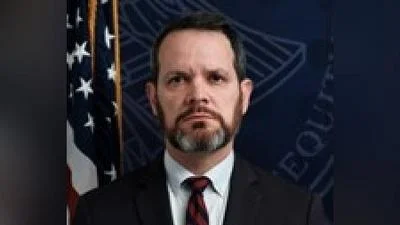
United States Attorney Leah B. Foley and Thomas Greco from the Bureau of Alcohol, Tobacco, Firearms & Explosives announced the charges. The United States Marshals Service assisted with the investigation. Assistant U.S. Attorneys Meghan C. Cleary and Colin T. Missett are prosecuting the case.
Authorities emphasized that "the details contained in the charging document are allegations" and that "the defendant is presumed to be innocent unless and until proven guilty beyond a reasonable doubt in the court of law."