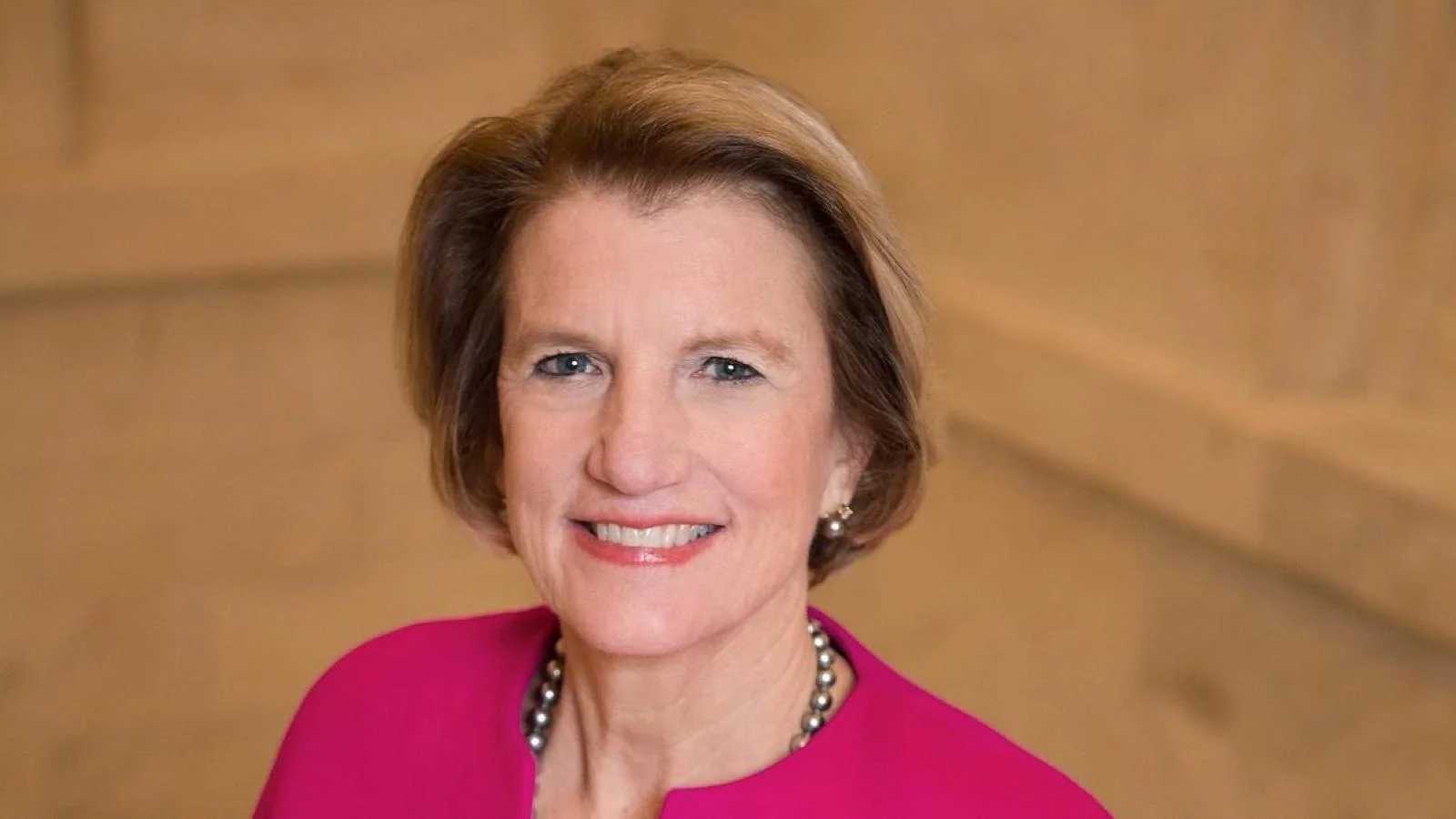
U.S. Senator Shelley Moore Capito, Chairman of the Senate Environment and Public Works Committee, led a hearing on April 15 to examine ongoing restoration efforts in the Great Lakes region.
The hearing addressed how state and federal agencies work together to restore the Great Lakes, as well as the role of universities and research institutions. The topic is significant because decisions made by these groups can impact environmental quality, natural resources, and infrastructure across multiple states, according to the official website of the Senate Environment and Public Works Committee according to the official website.
During her remarks, Capito asked Mary Mertz, Director of the Ohio Department of Natural Resources, about cooperation between state governments and various federal agencies involved in Great Lakes restoration. "All three of you have talked about the coordinating, collaborative efforts here. This is not just a federal effort. It coordinates with local, state and then you all mentioned nonprofits too," Capito said. Mertz responded that there is trust between partners: "We have a lot of trust in our federal partners. And we bring them ideas, and they work with us on how to fund them." She added that while many agencies are involved—including divisions within the U.S. Environmental Protection Agency (EPA), U.S. Army Corps of Engineers, Fish and Wildlife Service, Department of Agriculture (USDA), National Oceanic and Atmospheric Administration (NOAA), and Department of Interior—there could be more transparency regarding funding allocations among these agencies.
Capito also discussed with Dr. Christopher Winslow from The Ohio State University how universities contribute to restoration projects through applied research involving students at all levels: "What I will stress is that the work that happens in the Great Lakes...is very much applied research...the work that we’re doing at these agencies allows us to do research that informs action on the ground," Winslow said.
When asked about interstate competition over resources or projects among eight states bordering or connected by the lakes—and Canada—Mertz said collaboration outweighs rivalry: "Not really [competitive]. Because we get it. It’s the same water everywhere...I think it’s far more collaborative than it’s ever competitive."
The Senate Environment and Public Works Committee operates out of its administrative base in Washington D.C.'s Dirksen Office Building according to its official website. The committee oversees nationwide legislation affecting environmental policy areas such as clean air standards, water resource management through subcommittees focused on topics like transportation infrastructure as reported by its official site. Senator Capito chairs this committee alongside members including Kevin Cramer and Cynthia Lummis according to committee records.
Broader implications from this hearing suggest ongoing cooperation between states may serve as a model for other regional environmental initiatives across America.