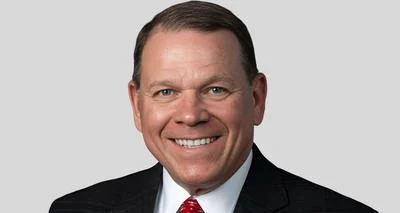
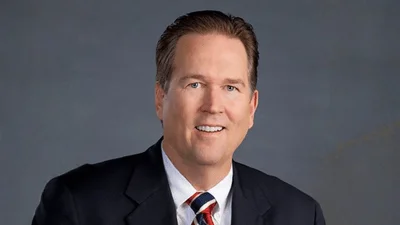
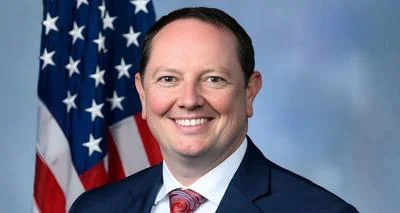
Congressman Brett Guthrie, Chairman of the House Committee on Energy and Commerce, delivered remarks on Apr. 15 regarding three pieces of legislation: H.R. 6409 (the FENCES Act), H.R. 6398 (the RED Tape Act), and H.R. 6387 (the FIRE Act). Guthrie said these bills are important to ongoing efforts by House Republicans to reform permitting processes, with the goal of supporting American energy production, lowering costs, and aiding domestic manufacturing.
The issue is significant because supporters argue that outdated provisions in current environmental laws have created regulatory barriers that slow down projects and increase costs for manufacturers. The committee's actions come as part of broader work on permitting reform aimed at balancing environmental protection with economic growth.
“These three bills are an essential part of the Committee’s broader efforts on permitting reform and align with White House permitting priorities, which include modernizing the Clean Air Act,” Guthrie said during his prepared remarks. He explained that since the last major update to the Clean Air Act in 1990, some sections have become outdated and contribute to what he called “regulatory gridlock.”
Guthrie also pointed out that over 70% of projects require Clean Air Act permits, which he described as having "the most burdensome approval process of any permitting requirement." He added that America's current system takes about 80% longer than other countries for project permits and costs U.S. manufacturers approximately $7.90 billion annually.
He detailed each bill: The FENCES Act would prevent states from being penalized for air emissions originating outside U.S. borders; the RED Tape Act aims to remove duplicative environmental reviews; while the FIRE Act addresses wildfire-related air pollution by ensuring states are not punished for prescribed burns or uncontrollable emissions.
The House Energy and Commerce Committee is responsible for legislation concerning energy policy, health care, environmental protection, telecommunications, and consumer issues according to its official website. The committee has also played a role in shaping policies related to energy innovation, broadband access, and pharmaceutical pricing according to its official website. It is one of the oldest standing committees in Congress according to its official website, tracing its origins back to 1795 when it began as the Committee on Commerce and Manufactures according to its official website.
Guthrie concluded his remarks by urging colleagues' support: “These bills provide common-sense solutions and long needed updates to the Clean Air Act.”