The Federal Trade Commission announced on Apr. 14 law enforcement actions against three companies accused of deceiving consumers by falsely advertising their products as made in the United States. The actions follow a March Executive Order from President Trump titled “Ensuring Truthful Advertising of Products Claiming to be made in America.”
The FTC said these measures are important to ensure that consumers can trust 'Made in the USA' labels and that businesses who genuinely manufacture domestically are not placed at a disadvantage by misleading claims.
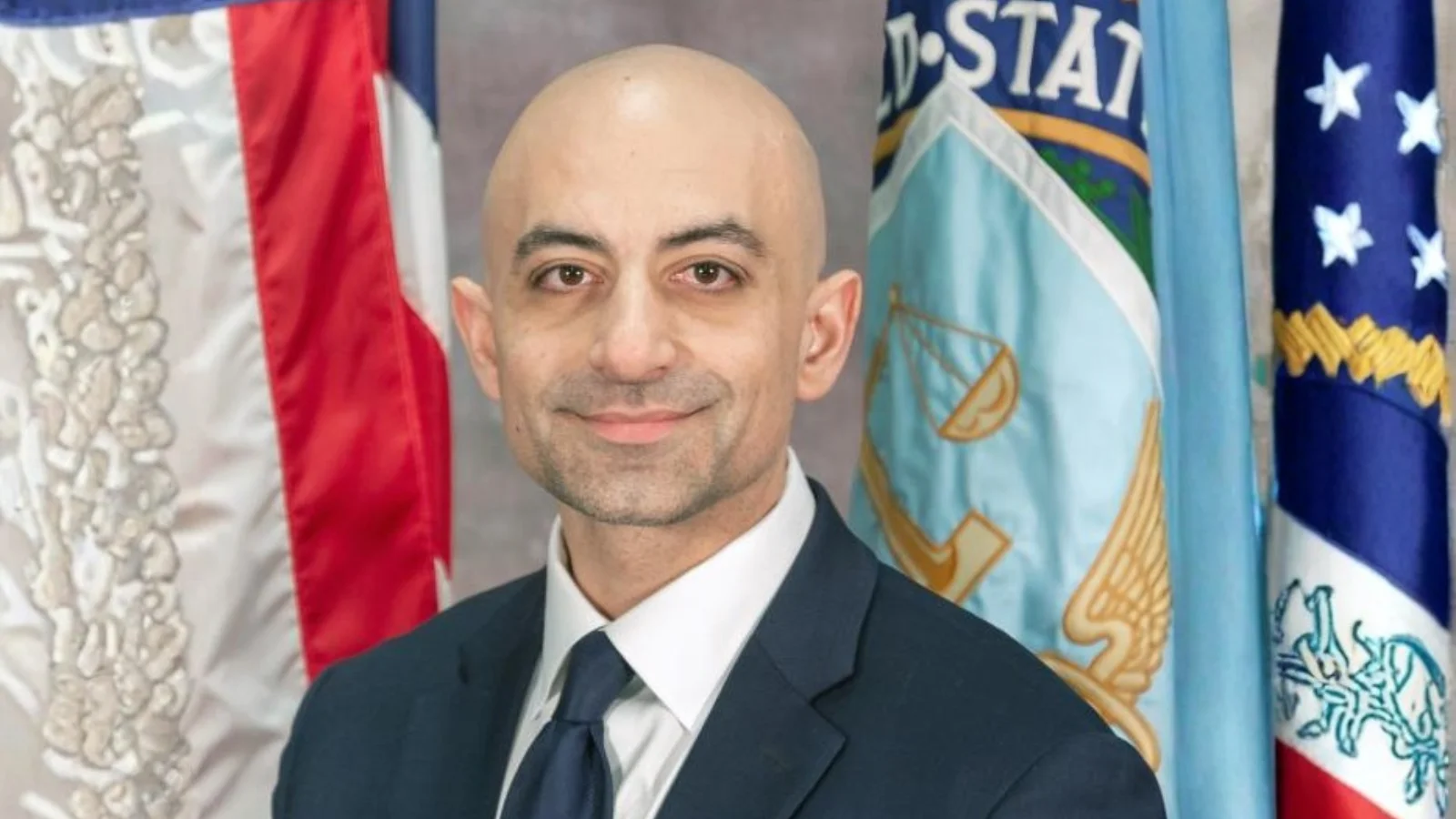
Christopher Mufarrige, Director of the FTC’s Bureau of Consumer Protection, said, “The FTC is committed to ensuring that ‘Made in the USA’ claims are truthful and trustworthy. We will robustly enforce the ‘Made in the USA’ standard so that the American people have confidence that their purchases of American-made products support American workers and manufacturing.”
Among those targeted was TouchTunes Music Company, LLC, which allegedly marketed electronic dartboards as made in America despite using key imported components. The company agreed to pay $625,000 towards consumer redress—the largest such settlement for a Made in USA Labeling Rule case—along with prohibitions on future misrepresentations.
Americana Liberty LLC and Three Nations LLC were also named for labeling imported flags and related products as U.S.-made. Their proposed settlement includes $167,743 towards consumer redress and requirements for clearer disclosures about product origins.
Oak Street Manufacturing Company, doing business as Oak Street Bootmakers, faced allegations it claimed certain footwear was entirely handcrafted in America when some parts were produced overseas. Oak Street agreed to pay $75,000 towards consumer redress and cease making unsubstantiated origin claims.
Additionally, Marketing Holders LLC and Lamar Trailers Inc., both under investigation for similar issues, received closing letters after agreeing to remediate their marketing practices but were warned about possible future action if violations recur.
According to the FTC statement, stipulated orders become legally binding once approved by a District Court judge. The agency continues providing guidance on compliance with 'Made in USA' standards through its website.