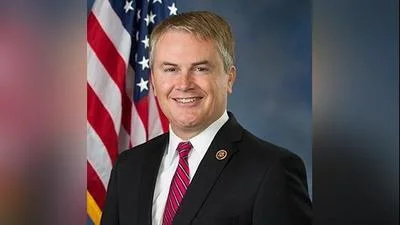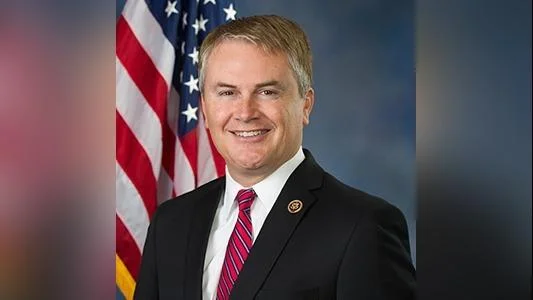
James Comer is Chairman of the House Oversight Committee. | https://oversight.house.gov/chairman-james-comer/
The Subcommittee on Government Operations held a hearing on April 15 to discuss fraud prevention in federally funded programs administered by states. Lawmakers and witnesses addressed the scale of fraud, the challenges facing agencies, and possible improvements to detection and prevention methods.
The issue is significant because billions of taxpayer dollars are lost each year due to fraudulent activity in these programs. Witnesses said that both federal and state agencies need stronger measures to prevent further losses.
Seto Bagdoyan, Director of Forensic Audits and Investigative Services at the U.S. Government Accountability Office, testified that “GAO estimated a while ago that up to $135 billion in pandemic era unemployment insurance benefits, or 15% of the total spending, was lost due to fraud, resulting from poor controls. Most of these losses were never recovered.” He added that “spending on federal assistance programs administered by states exceeds about $1 trillion annually,” making them especially vulnerable. Bagdoyan said there is a “fundamental failure by federal and state agencies to acknowledge that [fraud] exists” which must change.
Allison Ball, Auditor of Public Accounts for Kentucky, described efforts within her state: “In just one year, we’ve been able to assist the Commonwealth in dropping its SNAP payment error rates from 9.1 percent to 3.5 percent,” but noted high error rates remain elsewhere including Medicaid Long Term Care (47.5 percent) and Medicare Savings Program (28.5 percent). Ball said these rates likely involve hundreds of millions in federal funding.
Dr. O.J. Oleka, CEO of the State Financial Officers Foundation, recommended amending laws so inspectors general coordinate more closely with state financial officers through data sharing protocols and joint task forces: “Federal benefit programs such as Medicaid...still rely heavily on self-attestation...rather than real-time verification.”
Lawmakers also questioned why some states do not have elected officials overseeing spending or why simple checks like identity verification are sometimes skipped for efficiency’s sake.
Bob Westbrook, former Executive Director of the Pandemic Response Accountability Committee (PRAC), discussed how centralized government data systems could help prevent fraud before payments are made but warned about risks related to personal information security.
Auditor Ball concluded: “[The] unfortunate reality is that some people simply won’t change their ways unless the harm they are causing...is exposed.” She called for nonpartisan cooperation between Congress and auditors’ offices so families can get needed assistance without unnecessary waste.